Operating a parallel gate valve is a task that requires a good understanding of its mechanism, proper handling techniques, and safety precautions. As a supplier of parallel gate valves, I am well - versed in the ins and outs of these essential industrial components. In this blog, I will guide you through the process of operating a parallel gate valve effectively.
Understanding the Parallel Gate Valve
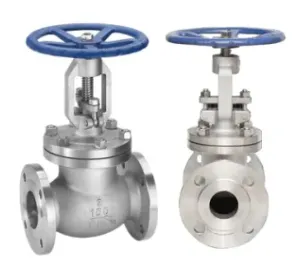
Before we dive into the operation, it's crucial to understand what a parallel gate valve is. A parallel gate valve is a type of valve that uses two parallel gates to control the flow of fluid through a pipeline. These gates move perpendicular to the flow direction, either opening or closing the passage. When the valve is fully open, the gates are retracted into the valve body, allowing unobstructed flow. When closed, the gates seal against the valve seats, preventing any fluid from passing through.


Parallel gate valves are commonly used in various industries, including oil and gas, water treatment, and chemical processing. They are known for their excellent shut - off capabilities, low pressure drop when fully open, and suitability for handling a wide range of fluids, from liquids to gases.
Pre - operation Checks
- Visual Inspection
- Before operating the valve, conduct a thorough visual inspection. Check for any signs of physical damage, such as cracks, dents, or corrosion on the valve body, bonnet, and stem. Look for leaks around the valve packing and flanges. Any visible damage or leaks should be addressed before proceeding with the operation.
- Inspect the valve stem for proper alignment and smooth movement. Ensure that the handwheel or actuator is securely attached and in good working condition.
- Documentation Review
- Review the valve's operating manual and specifications. Familiarize yourself with the valve's rated pressure, temperature limits, and recommended operating procedures. This information is crucial for safe and efficient operation.
- Check if the valve has been installed correctly according to the manufacturer's guidelines. Improper installation can lead to valve malfunction or failure.
Opening the Parallel Gate Valve
- Positioning
- Stand in a stable position in front of the valve, with a clear view of the handwheel or actuator. If using an actuator, ensure that it is powered on and functioning properly.
- Slow and Steady Rotation
- For a manually operated parallel gate valve, grasp the handwheel firmly. Begin turning the handwheel counter - clockwise to open the valve. Turn the handwheel slowly and steadily, avoiding sudden or jerky movements. This slow rotation helps prevent damage to the valve components and ensures a smooth opening process.
- If the valve is equipped with an actuator, follow the actuator's operating instructions to initiate the opening process. Actuators can be pneumatic, electric, or hydraulic, and each type has its own specific operation method.
- Monitoring the Opening
- As you turn the handwheel or operate the actuator, monitor the valve's position indicator. The position indicator shows the degree of valve opening. Continue opening the valve until it is fully open, which is usually indicated by the position indicator reaching its maximum open position.
- Listen for any unusual noises, such as grinding or rattling, during the opening process. Unusual noises can indicate a problem with the valve, such as a stuck gate or a damaged stem. If you hear any abnormal noises, stop the operation immediately and investigate the cause.
Closing the Parallel Gate Valve
- Positioning and Preparation
- Just like when opening the valve, stand in a stable position in front of the valve. Ensure that you have a clear view of the handwheel or actuator.
- Rotation for Closing
- To close a manually operated parallel gate valve, turn the handwheel clockwise. Again, turn the handwheel slowly and steadily. Do not force the handwheel if you encounter resistance. Resistance can be a sign of a problem, such as a foreign object stuck between the gates or a damaged seat.
- For an actuator - operated valve, follow the actuator's instructions to initiate the closing process.
- Full Closure and Verification
- Continue turning the handwheel or operating the actuator until the valve is fully closed. The position indicator should show the valve in the fully closed position.
- After closing the valve, check for any signs of leakage. A properly closed parallel gate valve should prevent any fluid from passing through. If you detect a leak, you may need to re - adjust the valve or perform further troubleshooting.
Special Considerations
- Operating in Extreme Conditions
- In high - pressure or high - temperature applications, extra caution is required. Make sure that the valve is rated for the specific pressure and temperature conditions of the system. Use appropriate personal protective equipment (PPE), such as gloves and safety glasses, when operating the valve in extreme conditions.
- In cold environments, the valve may be prone to freezing. Insulate the valve and associated piping to prevent freezing, which can damage the valve components.
- Valve Maintenance
- Regular maintenance is essential for the long - term performance of parallel gate valves. Follow the manufacturer's recommended maintenance schedule, which may include lubricating the valve stem, replacing the valve packing, and inspecting the valve seats.
- Keep a record of all valve operations and maintenance activities. This record can help you identify any trends or potential problems with the valve over time.
Our Product Range
As a parallel gate valve supplier, we offer a wide range of high - quality valves to meet your specific needs. Our product line includes Rubber Seat Gate Valve, which provides excellent sealing performance and is suitable for various applications. We also have Cast Iron F4 Resilient Seated Gate Valve, known for its durability and reliability. For more demanding applications, our Manual Slurry Valve is designed to handle abrasive slurries effectively.
Contact Us for Purchase
If you are interested in our parallel gate valves or need more information about valve operation and maintenance, we encourage you to contact us for a detailed discussion. Our team of experts is ready to assist you in selecting the right valve for your application and providing you with the best solutions. Whether you are a small - scale operation or a large industrial enterprise, we have the products and expertise to meet your requirements.
References
- Valve Handbook, Second Edition, by E. F. Budris
- Industrial Valves: Selection, Specification, and Installation, by William E. Boyes