Hey there! As a supplier of Cast Iron Y Strainers, I've seen firsthand how crucial it is to ensure the correct flow direction of these strainers. In this blog, I'm gonna share some tips and insights on how to make sure your Cast Iron Y Strainer is working the way it should.
First off, let's talk about why the flow direction matters. A Cast Iron Y Strainer is designed to remove solid particles from a liquid or gas flow. If the flow direction is incorrect, the strainer won't be able to do its job effectively. The particles might not get trapped properly, and you could end up with a clogged system or damaged equipment downstream.
So, how do you figure out the correct flow direction? Well, most Cast Iron Y Strainers have an arrow on the body that indicates the flow direction. This arrow is usually cast or stamped onto the strainer, and it's a dead giveaway. Just make sure the arrow points in the same direction as the flow of the fluid or gas in your system.
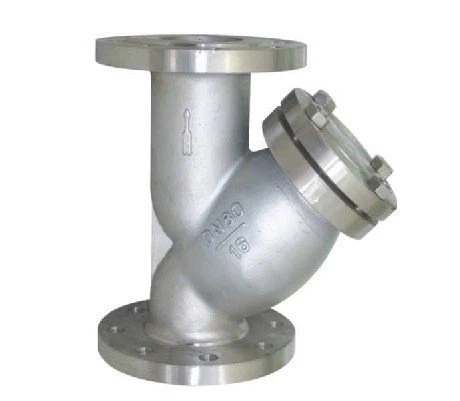
But what if there's no arrow? Don't worry; there are other ways to determine the flow direction. One simple method is to look at the shape of the strainer. The inlet side of the Y Strainer is typically larger than the outlet side. The larger opening is where the fluid or gas enters the strainer, and the smaller opening is where it exits. So, if you can identify the larger and smaller openings, you can figure out the flow direction.
Another thing to consider is the orientation of the screen inside the strainer. The screen is the part that actually catches the solid particles. It should be installed in such a way that the particles are trapped on the upstream side of the screen. This means that the fluid or gas should flow towards the screen, and the particles will collect on the surface of the screen. If the screen is installed backwards, the particles might pass through the strainer without getting caught.
Now, let's talk about some common mistakes people make when installing Cast Iron Y Strainers. One of the most common mistakes is not paying attention to the flow direction. Some people just assume that the strainer will work regardless of how it's installed. But as I mentioned earlier, the flow direction is crucial for the proper functioning of the strainer. So, always double - check the arrow or use the other methods I described to make sure you're installing the strainer correctly.
Another mistake is not tightening the connections properly. A loose connection can cause leaks, which can lead to a loss of pressure and a decrease in the efficiency of the system. Make sure you use the right tools and follow the manufacturer's instructions when tightening the bolts or nuts on the strainer connections.
When it comes to choosing the right Cast Iron Y Strainer for your application, there are a few things to keep in mind. First, consider the size of the strainer. You need to make sure the strainer has the right flow capacity for your system. If the strainer is too small, it might get clogged quickly, and if it's too big, it might not be as effective at removing the particles.
Also, think about the type of screen you need. Different screens have different mesh sizes, which determine the size of the particles that can be trapped. For example, if you're dealing with large particles, you might want a screen with a larger mesh size. On the other hand, if you need to remove very fine particles, you'll need a screen with a smaller mesh size.
We offer a wide range of Cast Iron Y Strainers, including the SS316 Screen Y Strainer SS316, the PN10 Y - type Filter, and the Ductile Cast Iron Y Type Filter Valve Y Type Flange Water Strainer. These strainers are made from high - quality materials and are designed to provide reliable performance.
Once you've installed the Cast Iron Y Strainer correctly, it's important to maintain it regularly. This includes cleaning the screen periodically to remove the trapped particles. A clogged screen can restrict the flow of the fluid or gas and reduce the efficiency of the strainer. You can clean the screen by removing it from the strainer and rinsing it with water or using a brush to remove the stubborn particles.
It's also a good idea to inspect the strainer for any signs of damage, such as cracks or leaks. If you notice any damage, replace the strainer or the damaged parts as soon as possible. A damaged strainer can cause serious problems in your system, so it's better to be safe than sorry.

In conclusion, ensuring the correct flow direction of a Cast Iron Y Strainer is essential for its proper functioning. By following the tips I've shared in this blog, you can make sure your strainer is installed correctly and working efficiently. If you have any questions or need help choosing the right strainer for your application, don't hesitate to contact us for a procurement discussion. We're here to assist you every step of the way.
References
- Industrial Piping Handbook
- Valves and Actuators Manual