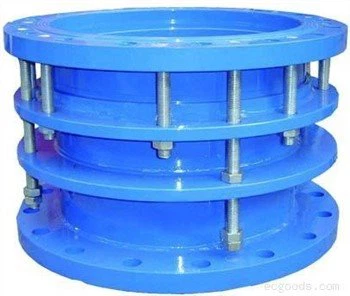
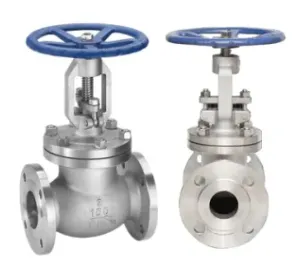
As a supplier of parallel gate valves, I've witnessed firsthand how the seat material can significantly influence the performance of these essential industrial components. In this blog, I'll delve into the intricate relationship between seat material and parallel gate valve performance, exploring the various factors at play and their implications for different applications.
Understanding Parallel Gate Valves
Before we dive into the impact of seat material, let's briefly review what parallel gate valves are and how they work. A parallel gate valve is a type of valve that uses two parallel gates to control the flow of fluid through a pipeline. When the valve is open, the gates are retracted into the valve body, allowing fluid to pass through freely. When the valve is closed, the gates are lowered to block the flow of fluid.
Parallel gate valves are commonly used in a variety of industries, including oil and gas, water treatment, and power generation. They are known for their reliable performance, low pressure drop, and ability to handle high flow rates. However, the performance of a parallel gate valve can be greatly affected by the choice of seat material.
The Role of Seat Material
The seat of a parallel gate valve is the surface against which the gates seal when the valve is closed. The seat material plays a crucial role in determining the valve's sealing performance, durability, and resistance to wear and corrosion. Here are some of the key factors to consider when choosing a seat material for a parallel gate valve:
Sealing Performance
The primary function of the seat is to provide a tight seal between the gates and the valve body, preventing leakage of fluid when the valve is closed. The choice of seat material can have a significant impact on the valve's sealing performance. Soft seat materials, such as rubber or PTFE, are often used for applications where a high degree of sealing is required, as they can conform to the surface of the gates and provide a tight seal. However, soft seat materials may not be suitable for applications where the valve is exposed to high temperatures or pressures, as they may degrade or deform over time.
Hard seat materials, such as stainless steel or carbide, are typically used for applications where the valve is exposed to high temperatures, pressures, or abrasive fluids. Hard seat materials are more resistant to wear and corrosion than soft seat materials, and they can provide a reliable seal even under harsh operating conditions. However, hard seat materials may not provide as tight a seal as soft seat materials, and they may require more force to operate the valve.
Durability
The durability of the seat material is another important factor to consider when choosing a seat for a parallel gate valve. The seat is subjected to constant wear and tear as the gates open and close, and it must be able to withstand the forces and pressures exerted on it without deteriorating. Soft seat materials may be more prone to wear and tear than hard seat materials, especially in applications where the valve is used frequently or where the fluid contains abrasive particles.
Hard seat materials are generally more durable than soft seat materials, as they are more resistant to wear and corrosion. However, hard seat materials may be more brittle than soft seat materials, and they may be more prone to cracking or chipping under certain conditions. It is important to choose a seat material that is appropriate for the specific application and operating conditions to ensure the long-term durability of the valve.
Resistance to Wear and Corrosion
The seat material must also be resistant to wear and corrosion, as it is exposed to the fluid flowing through the valve. The type of fluid and the operating conditions will determine the level of wear and corrosion that the seat will be exposed to. For example, if the fluid contains abrasive particles, the seat material must be able to withstand the abrasion without wearing down. If the fluid is corrosive, the seat material must be resistant to corrosion to prevent damage to the valve.
Soft seat materials may be more susceptible to wear and corrosion than hard seat materials, especially in applications where the fluid is abrasive or corrosive. Hard seat materials, such as stainless steel or carbide, are generally more resistant to wear and corrosion than soft seat materials, and they are often used in applications where the valve is exposed to harsh operating conditions.
Common Seat Materials for Parallel Gate Valves
There are several different types of seat materials that are commonly used for parallel gate valves. Each material has its own unique properties and characteristics, and the choice of seat material will depend on the specific application and operating conditions. Here are some of the most common seat materials for parallel gate valves:
Rubber
Rubber is a soft seat material that is commonly used for applications where a high degree of sealing is required. Rubber seats can conform to the surface of the gates and provide a tight seal, even under low pressures. Rubber seats are also resistant to corrosion and abrasion, making them suitable for a wide range of applications. However, rubber seats may not be suitable for applications where the valve is exposed to high temperatures or pressures, as they may degrade or deform over time.
PTFE
PTFE (polytetrafluoroethylene) is a synthetic fluoropolymer that is known for its excellent chemical resistance and low friction coefficient. PTFE seats are commonly used for applications where the valve is exposed to corrosive fluids or where a low friction seal is required. PTFE seats can provide a tight seal even under high pressures, and they are resistant to wear and corrosion. However, PTFE seats may not be suitable for applications where the valve is exposed to high temperatures, as they may deform or melt at high temperatures.
Stainless Steel
Stainless steel is a hard seat material that is commonly used for applications where the valve is exposed to high temperatures, pressures, or abrasive fluids. Stainless steel seats are resistant to wear and corrosion, and they can provide a reliable seal even under harsh operating conditions. Stainless steel seats are also relatively easy to machine and maintain, making them a popular choice for many applications. However, stainless steel seats may not provide as tight a seal as soft seat materials, and they may require more force to operate the valve.
Carbide
Carbide is a hard seat material that is made from a combination of carbon and a metal, such as tungsten or titanium. Carbide seats are extremely hard and wear-resistant, and they are commonly used for applications where the valve is exposed to abrasive fluids or where a high degree of wear resistance is required. Carbide seats can provide a reliable seal even under high pressures and temperatures, and they are resistant to corrosion and erosion. However, carbide seats are relatively expensive and may be more difficult to machine and maintain than other seat materials.
Impact of Seat Material on Valve Performance
The choice of seat material can have a significant impact on the performance of a parallel gate valve. Here are some of the key performance factors that can be affected by the seat material:
Sealing Performance
As mentioned earlier, the seat material plays a crucial role in determining the valve's sealing performance. The choice of seat material can affect the tightness of the seal between the gates and the valve body, as well as the valve's ability to maintain a seal over time. Soft seat materials, such as rubber or PTFE, can provide a tight seal even under low pressures, but they may not be suitable for applications where the valve is exposed to high temperatures or pressures. Hard seat materials, such as stainless steel or carbide, can provide a reliable seal under harsh operating conditions, but they may not provide as tight a seal as soft seat materials.
Operating Torque
The operating torque of a parallel gate valve is the amount of force required to open and close the valve. The choice of seat material can affect the operating torque of the valve, as different seat materials have different coefficients of friction. Soft seat materials, such as rubber or PTFE, have a low coefficient of friction, which means that they require less force to operate the valve. Hard seat materials, such as stainless steel or carbide, have a higher coefficient of friction, which means that they require more force to operate the valve.
Flow Characteristics
The seat material can also affect the flow characteristics of a parallel gate valve. The shape and surface finish of the seat can affect the flow of fluid through the valve, as well as the pressure drop across the valve. Soft seat materials, such as rubber or PTFE, can provide a smooth surface for the fluid to flow over, which can reduce the pressure drop across the valve. Hard seat materials, such as stainless steel or carbide, may have a rougher surface finish, which can increase the pressure drop across the valve.
Maintenance Requirements
The choice of seat material can also affect the maintenance requirements of a parallel gate valve. Soft seat materials, such as rubber or PTFE, may require more frequent replacement than hard seat materials, as they are more prone to wear and tear. Hard seat materials, such as stainless steel or carbide, are generally more durable and require less frequent replacement, but they may be more difficult to machine and maintain.

Choosing the Right Seat Material for Your Application
When choosing a seat material for a parallel gate valve, it is important to consider the specific application and operating conditions. Here are some factors to consider when making your decision:
Fluid Characteristics
The type of fluid flowing through the valve is one of the most important factors to consider when choosing a seat material. If the fluid is corrosive, abrasive, or contains solids, you will need to choose a seat material that is resistant to corrosion, wear, and erosion. If the fluid is high in temperature or pressure, you will need to choose a seat material that can withstand the high temperatures and pressures without degrading or deforming.
Operating Conditions
The operating conditions of the valve, such as the temperature, pressure, and flow rate, will also affect the choice of seat material. If the valve is operating at high temperatures or pressures, you will need to choose a seat material that can withstand the high temperatures and pressures without degrading or deforming. If the valve is operating at a high flow rate, you will need to choose a seat material that can provide a smooth surface for the fluid to flow over, which can reduce the pressure drop across the valve.
Sealing Requirements
The sealing requirements of the valve will also affect the choice of seat material. If the valve requires a high degree of sealing, you will need to choose a seat material that can provide a tight seal between the gates and the valve body. Soft seat materials, such as rubber or PTFE, are often used for applications where a high degree of sealing is required, as they can conform to the surface of the gates and provide a tight seal. However, soft seat materials may not be suitable for applications where the valve is exposed to high temperatures or pressures, as they may degrade or deform over time.
Cost
The cost of the seat material is also an important factor to consider when making your decision. Soft seat materials, such as rubber or PTFE, are generally less expensive than hard seat materials, such as stainless steel or carbide. However, soft seat materials may require more frequent replacement than hard seat materials, which can increase the overall cost of the valve over time.
Conclusion
In conclusion, the seat material plays a crucial role in determining the performance of a parallel gate valve. The choice of seat material can affect the valve's sealing performance, durability, resistance to wear and corrosion, operating torque, flow characteristics, and maintenance requirements. When choosing a seat material for a parallel gate valve, it is important to consider the specific application and operating conditions, as well as the sealing requirements and cost. By choosing the right seat material for your application, you can ensure the reliable performance and long-term durability of your parallel gate valve.
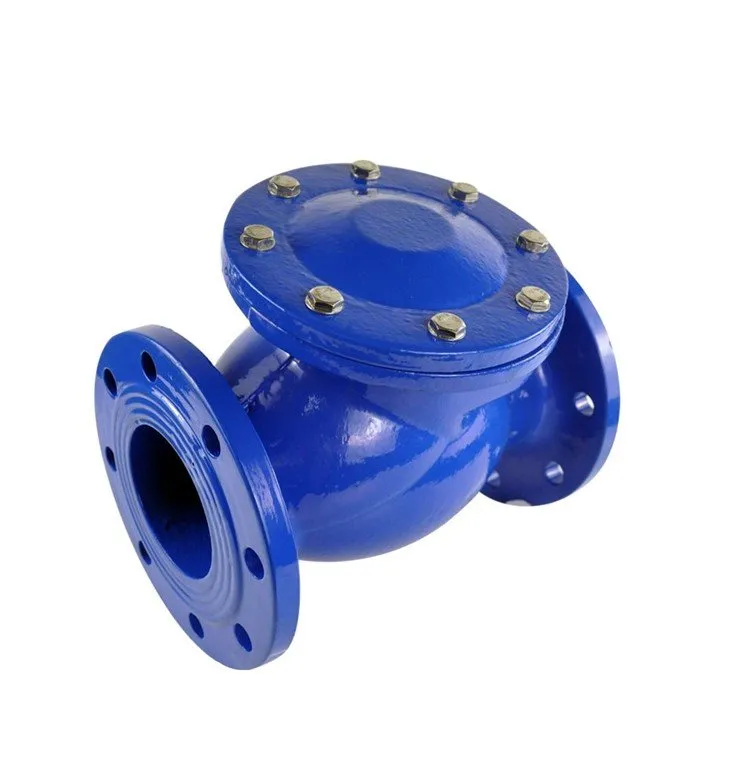
If you're in the market for a parallel gate valve or have any questions about seat materials and valve performance, I'd be happy to help. Feel free to [initiate a conversation] to discuss your specific needs and explore the best solutions for your application. We also offer a range of related products, such as 150LB Check Valve, Steel Square Gate, and Flat Gate Valve, which may be suitable for your requirements.
References
- Valve Handbook, Second Edition, by Robert W. McKetta and William A. Cunningham
- Industrial Valves: A Guide to Selection and Application, by John P. McKetta
- Valve Selection Handbook, by E. O. Doebelin