Hey there! As a supplier of Metal Seat Valves, I often get asked if these valves can be used in slurry applications. Well, let's dive right into it and figure out if metal seat valves are a good fit for slurry situations.
What is Slurry?
First off, we need to understand what slurry is. Slurry is basically a mixture of solids and liquids. These solids can range from fine particles like sand to larger chunks of minerals or other materials. The liquid part is usually water, but it can also be other fluids depending on the industry. Slurry is commonly found in industries such as mining, wastewater treatment, and chemical processing.
How Metal Seat Valves Work
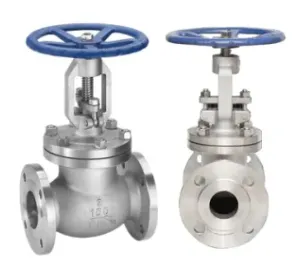
Metal seat valves are designed with a metal-to-metal sealing surface. This means that when the valve is closed, the metal parts come together to create a tight seal. They're known for their durability and ability to handle high pressures and temperatures. Metal seat valves are often used in applications where a reliable and long - lasting seal is required.
Pros of Using Metal Seat Valves in Slurry Applications
Durability
One of the biggest advantages of metal seat valves in slurry applications is their durability. The metal seats can withstand the abrasive nature of the solids in the slurry better than some other types of valves. For example, in a mining operation where the slurry contains hard rock particles, a metal seat valve is less likely to get worn down quickly compared to a valve with a soft seat.
High - Pressure Resistance
Slurry applications often involve high pressures, especially when the slurry is being pumped over long distances or through narrow pipes. Metal seat valves are built to handle these high pressures without leaking. This is crucial for maintaining the efficiency of the slurry handling system.


Temperature Tolerance
In some industries, the slurry can be at high temperatures. Metal seat valves can tolerate these elevated temperatures better than many other valve types. For instance, in a chemical processing plant where the slurry is heated during a reaction, a metal seat valve can maintain its integrity and functionality.
Cons of Using Metal Seat Valves in Slurry Applications
Cost
Metal seat valves can be more expensive than other types of valves. The materials used to make the metal seats, as well as the manufacturing processes involved, contribute to the higher cost. This can be a significant factor for companies on a tight budget.
Limited Sealing in Some Cases
Although metal seat valves are generally good at sealing, in some slurry applications where the solids are very fine and sticky, they may not provide a perfect seal. The fine particles can get trapped between the metal seats, preventing a complete closure and leading to minor leaks.
Maintenance
While metal seat valves are durable, they do require regular maintenance. The abrasive nature of the slurry can cause wear on the metal seats over time, and the valve may need to be disassembled, inspected, and the seats replaced periodically. This can add to the overall cost of using these valves.
Real - World Examples
Let's take a look at some real - world scenarios where metal seat valves are used in slurry applications. In a coal - fired power plant, the ash - water slurry needs to be transported from the boiler to the ash pond. Metal seat valves are used in the pipelines to control the flow of the slurry. Their durability ensures that they can handle the abrasive ash particles without failing prematurely.
On the other hand, in a food processing plant where the slurry is a mixture of fruits and water, a metal seat valve might not be the best choice. The fine pulp in the slurry could get stuck between the metal seats, causing sealing issues. In such cases, a valve with a soft seal might be more appropriate. You can check out our Soft Seal Lug Type Manual Operated Cast Iron Water Butterfly Valve Manufacturer for alternative solutions.
Considerations Before Using Metal Seat Valves in Slurry Applications
Particle Size and Shape
The size and shape of the solids in the slurry are important factors. If the particles are large and angular, a metal seat valve is more likely to be a good choice as it can handle the abrasion. However, if the particles are very fine and spherical, they may cause more problems with sealing.
Chemical Compatibility
The chemical composition of the slurry also matters. Some chemicals in the slurry can react with the metal in the valve seats, causing corrosion. It's essential to choose a metal seat valve made from a material that is chemically compatible with the slurry.
Flow Rate
The flow rate of the slurry is another consideration. High - flow applications may require a valve that can open and close quickly without causing too much pressure drop. Metal seat valves can be designed to handle high - flow rates, but it's important to select the right size and type of valve for the specific application. For example, our 4'' Notched Body Oilfield Industrial Usage Wafer Butterfly Valve is suitable for certain high - flow slurry applications.
Conclusion
So, can a metal seat valve be used in slurry applications? The answer is yes, but it depends on several factors. Metal seat valves offer durability, high - pressure resistance, and temperature tolerance, which are great advantages in many slurry situations. However, they also have some drawbacks such as cost, potential sealing issues, and maintenance requirements.
Before making a decision, it's important to carefully evaluate the specific characteristics of the slurry and the requirements of the application. If you're still unsure whether a metal seat valve is the right choice for your slurry application, don't hesitate to reach out. We're here to help you find the best valve solution for your needs. And if you're interested in other valve options, check out our Cast Iron Lug Type Butterfly Valve With Hanger Lever.
If you're looking to purchase valves for your slurry application or have any questions about our Metal Seat Valves, feel free to contact us for a detailed discussion. We're eager to work with you and provide the best valve solutions for your operations.
References
- "Valve Handbook" by Valve Manufacturers Association
- Industry reports on slurry handling systems and valve applications