Hey there! As a supplier of Knife Gate Valves, I often get asked about the difference between rising stem and non - rising stem Knife Gate Valves. It's a pretty common question, and it's crucial for anyone looking to purchase these valves to understand the distinctions. So, let's dive right in!
Rising Stem Knife Gate Valves
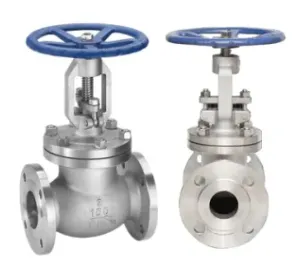
First off, let's talk about rising stem Knife Gate Valves. With a rising stem valve, the stem moves up and down as the valve opens and closes. You can easily tell if the valve is open or closed just by looking at the position of the stem. When the valve is fully open, the stem is extended upwards, and when it's closed, the stem is retracted.
One of the major advantages of a rising stem Knife Gate Valve is its visual indication. This is super handy in industrial settings where operators need to quickly assess the valve's status. For example, in a large water treatment plant, being able to see at a glance whether a valve is open or closed can save a lot of time and prevent potential mistakes.
Another benefit is that the rising stem design allows for easier lubrication and maintenance. Since the stem is exposed, it's simple to access and apply lubricant to reduce friction. This helps to extend the lifespan of the valve and ensures smooth operation over time.
However, rising stem valves do have some drawbacks. They require more vertical space compared to non - rising stem valves. In tight spaces where vertical clearance is limited, a rising stem valve might not be the best option. Also, the exposed stem can be more susceptible to damage from external factors like debris, corrosion, or physical impact.
Non - Rising Stem Knife Gate Valves
Now, let's shift our focus to non - rising stem Knife Gate Valves. In a non - rising stem valve, the stem rotates but doesn't move up and down. Instead, the gate moves up and down along the stem as it rotates. This means that the height of the valve remains constant regardless of whether it's open or closed.
The main advantage of a non - rising stem Knife Gate Valve is its space - saving design. It's ideal for applications where vertical space is at a premium, such as in underground piping systems or in equipment with limited clearance. For instance, in a building's plumbing system where there's not much room above the pipes, a non - rising stem valve can be a great solution.
Non - rising stem valves are also less likely to be damaged by external factors since the stem is protected within the valve body. This makes them more suitable for harsh environments where there's a lot of debris or where the valve might be exposed to physical abuse.
But there are some downsides too. Without the visual indication of a rising stem, it can be more difficult to tell if the valve is open or closed. Operators may need to rely on other methods, such as markings on the valve or control panels, to determine the valve's status. Additionally, maintenance can be a bit more challenging since the stem is not easily accessible.


Comparison in Different Applications
Let's take a look at how these two types of valves perform in different applications.
In the mining industry, where there's often a lot of slurry and abrasive materials flowing through the pipes, rising stem Knife Gate Valves can be a good choice. The visual indication helps operators quickly identify the valve's position, and the ability to easily lubricate the stem can prevent premature wear caused by the abrasive nature of the slurry. However, if space is limited in the mining equipment, a non - rising stem valve might be more appropriate.
In the food and beverage industry, where hygiene is a top priority, non - rising stem Knife Gate Valves are often preferred. The protected stem reduces the risk of contamination from external sources, and the space - saving design is beneficial in facilities where floor space is valuable.
Cost Considerations
Cost is always an important factor when choosing a valve. Generally, rising stem Knife Gate Valves tend to be slightly more expensive than non - rising stem valves. This is mainly due to the additional components and the more complex design required for the stem to move up and down. However, the cost difference might be offset by the benefits in certain applications. For example, if the visual indication of a rising stem valve can prevent costly mistakes in an industrial process, the extra cost might be worth it.
Complementary Valve Types
If you're still exploring different valve options, you might also be interested in some related valve types. Check out our ANSI Gate Valve ANSI, which is designed to meet specific industry standards. The Non - rising Stem Gate Valve is another option to consider, especially if you need a valve with a space - saving design. And for applications where a tight seal is required, the Resilient Seated Gate Valve could be a great choice.
Conclusion
In conclusion, both rising stem and non - rising stem Knife Gate Valves have their own unique advantages and disadvantages. The choice between the two depends on various factors such as the available space, the application environment, the need for visual indication, and cost considerations.
If you're in the market for a Knife Gate Valve, it's important to carefully evaluate your requirements and choose the valve that best suits your needs. As a Knife Gate Valve supplier, we're here to help you make an informed decision. Whether you need a rising stem valve for its visual indication and easy maintenance or a non - rising stem valve for its space - saving design, we've got you covered.
If you have any questions or would like to discuss your specific requirements, feel free to reach out. We're always happy to assist you with your valve purchase and ensure that you get the right product for your application.
References
- Valve Handbook: A Guide to Valve Selection, Operation, and Maintenance.
- Industrial Valve Technology: Principles and Applications.