Testing a ball valve is a crucial process to ensure its proper functionality, reliability, and safety in various industrial applications. As a ball valve supplier, we understand the significance of comprehensive testing to meet the high - standards of our customers. In this blog, we will delve into the step - by - step process of testing a ball valve, covering different types of tests and their importance.
1. Visual Inspection
Before conducting any functional tests, a thorough visual inspection is essential. This initial step helps to identify any obvious manufacturing defects, damages, or irregularities on the ball valve.
- Examine the Body: Check the valve body for cracks, dents, or signs of corrosion. The body should be smooth and free from any visible flaws that could compromise its structural integrity. For instance, a crack in the valve body may lead to leakage under pressure, which can be a serious safety hazard in industrial settings.
- Inspect the Seals and Gaskets: Look at the seals and gaskets for proper installation, damage, or signs of wear. These components play a vital role in preventing leakage. If the seals are not installed correctly or are damaged, the valve may not be able to achieve a proper shut - off, resulting in fluid or gas leakage.
- Check the Ball and Stem: Ensure that the ball rotates smoothly within the valve body and that the stem is properly connected. The ball should be free from scratches or other surface defects that could affect its sealing performance. A damaged ball may cause incomplete shut - off or increased friction during operation.
2. Pressure Testing
Pressure testing is one of the most important tests for a ball valve as it determines the valve's ability to withstand the specified pressure without leakage.
- Hydrostatic Pressure Test: This test involves filling the valve with a liquid, usually water, and applying pressure to the valve. The valve is typically pressurized to a specified test pressure, which is often higher than the normal operating pressure. For example, if the normal operating pressure of a valve is 100 psi, the test pressure may be set at 150 psi for a certain period, usually 10 - 30 minutes. During this time, the valve is checked for any signs of leakage. Any visible drops of water or a decrease in pressure may indicate a leakage problem.
- Pneumatic Pressure Test: Similar to the hydrostatic test, but uses gas (usually air) instead of liquid. Pneumatic testing is often used when the valve is intended for gas applications. However, it should be noted that pneumatic testing is more dangerous than hydrostatic testing because gas is more compressible and can cause a more violent release in case of a sudden failure. The test pressure and duration are also specified according to industry standards.
3. Leakage Testing
Leakage testing is performed to ensure that the ball valve can achieve a tight shut - off and prevent any fluid or gas from passing through when the valve is in the closed position.
- Seat Leakage Test: This test measures the amount of leakage past the valve seats. There are different methods to perform this test, such as the bubble test. In a bubble test, the valve is submerged in a liquid (usually water), and gas is introduced into the valve at a low pressure. If there are any leaks, bubbles will form at the leak points. The amount of leakage is then measured and compared to the acceptable leakage rate specified by the industry standards.
- Body Leakage Test: This test checks for leakage through the valve body. The valve is pressurized, and the outside of the valve body is inspected for any signs of leakage. Body leakage can be more difficult to detect than seat leakage, but it is equally important as it can lead to external contamination or loss of fluid.
4. Operational Testing
Operational testing assesses the valve's ability to open and close smoothly and perform its intended function under normal operating conditions.
- Manual Operation Test: If the valve is manually operated, the operator should be able to open and close the valve with reasonable effort. The valve should open and close in a smooth and consistent manner without any jerks or excessive resistance. For example, a hand - operated ball valve should be able to be turned with a normal amount of force, and the ball should rotate freely from the open to the closed position.
- Automated Operation Test: For ball valves that are operated by actuators (such as electric, pneumatic, or hydraulic actuators), the actuator should be able to open and close the valve accurately and reliably. The response time of the actuator should be within the specified range, and the valve should reach the fully open or fully closed position as required.
5. Testing Different Types of Ball Valves
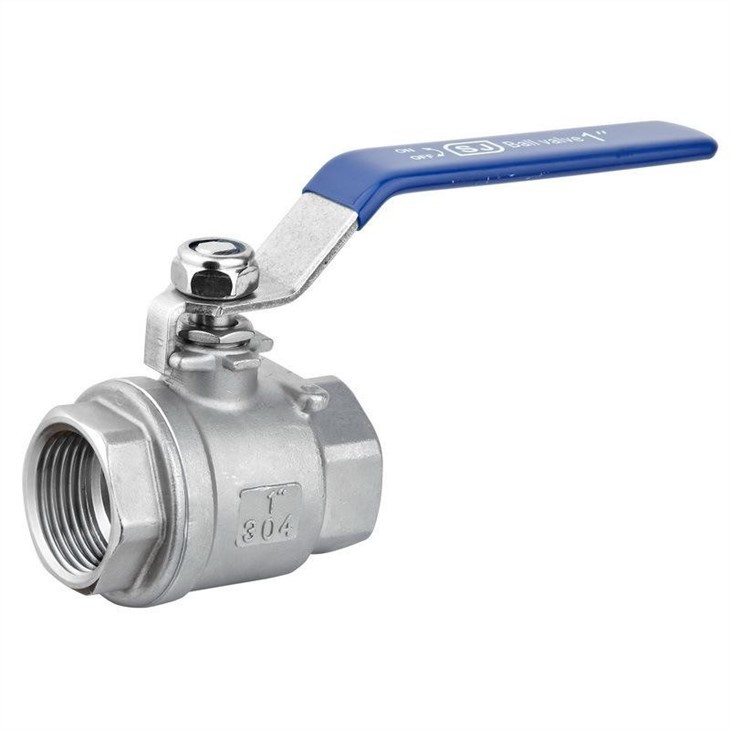
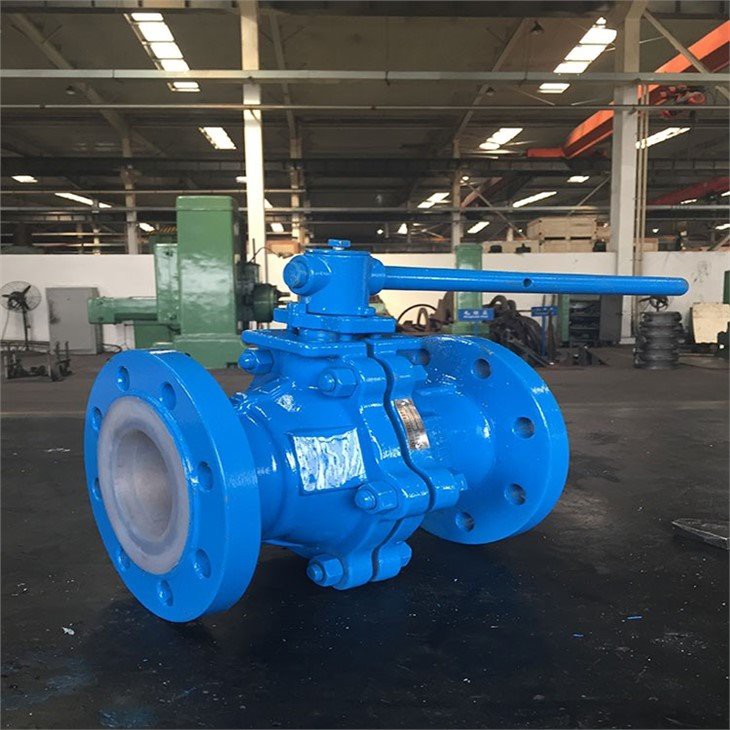
As a ball valve supplier, we offer a wide range of ball valves, including Screw Ball Valve, Gear Operated Fixed Ball Valve, and Full - lined Flanged Ball Valve. Although the basic testing principles are the same for all ball valves, there are some specific considerations for each type.
- Screw Ball Valve: These valves are often used in small - scale applications. When testing a screw ball valve, special attention should be paid to the screw connection. The screw should be tightened properly to ensure a good seal, and the valve should be tested for leakage at the screw connection point.
- Gear Operated Fixed Ball Valve: The gear mechanism in these valves should be tested for smooth operation. The gear should transmit the torque effectively to the ball, allowing the valve to open and close easily. Additionally, the fixed ball design requires precise alignment and sealing, so the pressure and leakage tests should be conducted carefully to ensure proper performance.
- Full - lined Flanged Ball Valve: The lining of these valves is designed to protect the valve body from corrosion and chemical attack. During testing, the integrity of the lining should be checked. Any damage to the lining can lead to corrosion of the valve body and affect the valve's performance. The flange connections should also be tested for proper sealing to prevent leakage at the connection points.
6. Material Compatibility Testing
In some applications, the ball valve may come into contact with various chemicals or fluids. Material compatibility testing is necessary to ensure that the valve materials can withstand the chemical environment without degradation.
- Chemical Resistance Test: Samples of the valve materials are exposed to the chemicals or fluids that the valve will encounter in its normal operation. The samples are then monitored for any signs of corrosion, swelling, or other forms of degradation over a certain period. For example, if a valve is intended for use in a chemical plant where it will be exposed to strong acids, the valve materials should be tested for their resistance to these acids.
- Temperature Resistance Test: The valve may also be subjected to different temperatures during operation. Temperature resistance testing is performed to ensure that the valve can maintain its performance at the specified temperature range. The valve may be tested at high and low temperatures to simulate the actual operating conditions.
7. Conclusion and Call to Action
Testing a ball valve is a comprehensive process that involves multiple steps and tests to ensure its quality, reliability, and safety. As a ball valve supplier, we are committed to providing high - quality valves that meet or exceed industry standards. Our testing procedures are designed to ensure that every valve we supply performs flawlessly in its intended application.
If you are in need of ball valves for your industrial applications, we invite you to contact us for more information. Our team of experts can help you select the right valve for your specific needs and answer any questions you may have about valve testing and performance. We look forward to the opportunity to work with you and provide you with the best ball valve solutions.
References
- ASME B16.34 - Valves - Flanged, Threaded, and Welding End
- API 598 - Valve Inspection and Testing
- ISO 5208 - Industrial valves - Pressure testing of valves