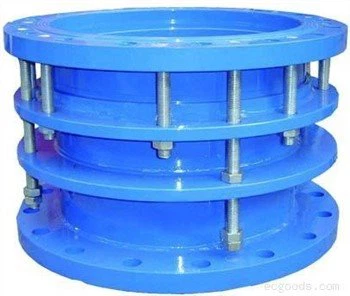
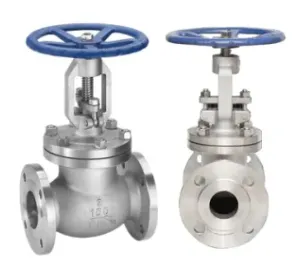
Vibration in flat gate valves can be a significant concern for many industries. As a leading flat gate valve supplier, we understand the challenges that vibration poses to the performance and longevity of these essential components. In this blog post, we'll explore the various causes of vibration in flat gate valves and provide practical solutions to reduce it.
Understanding the Causes of Vibration in Flat Gate Valves
Before we can address the issue of vibration, it's crucial to understand what causes it. Several factors can contribute to the vibration of flat gate valves, including:
Fluid Flow Characteristics
- Turbulence: When fluid flows through a valve at high velocities, it can create turbulence. Turbulent flow can cause pressure fluctuations, which in turn lead to valve vibration. For example, in a pipeline where the fluid is suddenly accelerated or decelerated, such as when a valve is opening or closing rapidly, turbulence can be generated.
- Cavitation: Cavitation occurs when the pressure of the fluid drops below its vapor pressure, causing vapor bubbles to form. These bubbles then collapse when they enter a region of higher pressure, creating shockwaves that can cause the valve to vibrate. Cavitation is more likely to occur in valves with high-pressure differentials or in systems where the fluid is close to its boiling point.
Valve Design and Installation
- Improper Sizing: If a valve is not properly sized for the application, it can lead to excessive vibration. A valve that is too small for the flow rate may experience high velocities and turbulence, while a valve that is too large may not provide sufficient control over the flow, leading to unstable operation.
- Incorrect Installation: Incorrect installation of the valve can also cause vibration. For example, if the valve is not properly aligned with the pipeline, it can create uneven forces on the valve body, leading to vibration. Additionally, loose or improper mounting of the valve can allow it to move and vibrate during operation.
External Factors
- Pump or Compressor Operation: The operation of pumps or compressors in the system can generate vibrations that are transmitted to the valve. If the frequency of these vibrations matches the natural frequency of the valve, resonance can occur, leading to excessive vibration.
- Pipework Vibration: Vibrations in the pipework can also be transmitted to the valve. These vibrations can be caused by factors such as fluid flow, thermal expansion, or external forces acting on the pipes.
Strategies to Reduce Vibration in Flat Gate Valves
Now that we understand the causes of vibration, let's explore some strategies to reduce it.
Optimize Fluid Flow
- Control Flow Velocity: One of the most effective ways to reduce turbulence and vibration is to control the flow velocity through the valve. This can be achieved by properly sizing the valve and the pipeline, as well as by using flow control devices such as orifice plates or flow restrictors. By keeping the flow velocity within the recommended range, we can minimize the formation of turbulence and cavitation.
- Smooth Flow Path: Ensuring a smooth flow path through the valve can also help reduce vibration. This can be achieved by using valves with streamlined designs and by avoiding sharp bends or obstructions in the pipeline. Additionally, proper maintenance of the valve and the pipeline can help prevent the buildup of debris or corrosion, which can disrupt the flow and cause vibration.
Improve Valve Design and Installation
- Proper Sizing: As mentioned earlier, proper sizing of the valve is crucial to reducing vibration. When selecting a valve, it's important to consider factors such as the flow rate, pressure, temperature, and fluid properties of the application. By choosing a valve that is the right size for the job, we can ensure stable and efficient operation.
- Correct Installation: Correct installation of the valve is also essential. This includes proper alignment with the pipeline, secure mounting, and the use of appropriate gaskets and seals. Additionally, it's important to follow the manufacturer's installation instructions carefully to ensure that the valve is installed correctly.
Mitigate External Factors
- Isolate the Valve: To reduce the transmission of vibrations from pumps, compressors, or pipework, it's important to isolate the valve from these sources. This can be achieved by using vibration isolators, such as rubber mounts or flexible connectors, between the valve and the pipeline or other equipment.
- Dampen Vibrations: In some cases, it may be necessary to dampen the vibrations of the valve itself. This can be done by using dampers or shock absorbers, which can help reduce the amplitude of the vibrations and prevent resonance from occurring.
Specific Solutions for Different Types of Flat Gate Valves
In addition to the general strategies outlined above, there are also some specific solutions that can be applied to different types of flat gate valves.
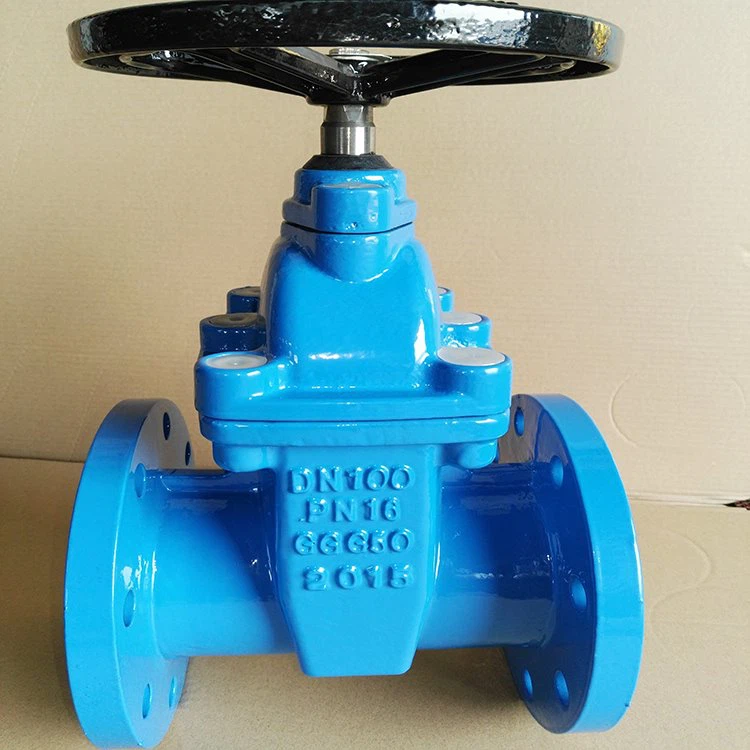

BS5163 Gate Valve BS5163
- Material Selection: For BS5163 gate valves, choosing the right material is crucial to reducing vibration. Materials with high strength and low vibration damping properties, such as stainless steel or alloy steel, can help reduce the amplitude of the vibrations.
- Sealing Design: The sealing design of the valve can also affect its vibration characteristics. A well-designed sealing system can help prevent leakage and reduce the forces acting on the valve, which can in turn reduce vibration.
Non-rising Stem Gate Valve
- Stem Lubrication: Proper lubrication of the stem in a non-rising stem gate valve can help reduce friction and vibration. Using a high-quality lubricant can ensure smooth operation of the stem and prevent the valve from sticking or vibrating.
- Bushing Design: The design of the bushings in the valve can also affect its vibration performance. Bushings with low friction coefficients and good wear resistance can help reduce the forces acting on the stem and valve body, leading to less vibration.
Manufacturers Ductile Iron Resilient Flanged Gate Valve
- Resilient Seating: The use of resilient seating in ductile iron resilient flanged gate valves can help absorb vibrations and reduce noise. Resilient materials, such as rubber or elastomers, can provide a flexible seal that can adapt to changes in pressure and temperature, while also dampening vibrations.
- Flange Design: The design of the flanges in the valve can also affect its vibration characteristics. Flanges with proper alignment and tight sealing can help prevent leakage and reduce the forces acting on the valve, leading to less vibration.
Conclusion
Reducing the vibration of flat gate valves is essential for ensuring their reliable and efficient operation. By understanding the causes of vibration and implementing the strategies outlined in this blog post, we can minimize the impact of vibration on the valve and the system as a whole.
As a flat gate valve supplier, we are committed to providing our customers with high-quality valves and solutions that meet their specific needs. If you are experiencing vibration issues with your flat gate valves or need help selecting the right valve for your application, please don't hesitate to contact us for further discussion and procurement.
References
- API 6D: Specification for Pipeline Valves
- ASME B16.34: Valves - Flanged, Threaded, and Welded Ends
- ISO 5208: Industrial valves - Pressure testing of valves