As a seasoned supplier in the field of check valves, I've witnessed firsthand the remarkable evolution of these essential components over the years. Modern check valves have come a long way from their traditional counterparts, incorporating a host of new features that enhance performance, reliability, and efficiency. In this blog post, I'll delve into some of the most notable advancements in modern check valve technology.
Enhanced Sealing Mechanisms
One of the most significant improvements in modern check valves is the development of enhanced sealing mechanisms. Traditional check valves often relied on simple rubber or elastomeric seals, which could degrade over time due to exposure to harsh chemicals, high temperatures, or abrasive fluids. Modern check valves, on the other hand, utilize advanced materials and designs to ensure a tight and reliable seal.
For example, many modern check valves feature metal-to-metal sealing surfaces, which provide excellent resistance to wear, corrosion, and high pressures. These sealing surfaces are precision-machined to ensure a perfect fit, minimizing leakage and improving overall performance. Additionally, some check valves incorporate advanced sealing technologies such as O-rings, gaskets, or bellows to provide an extra layer of protection against leaks.
Low-Crack Pressure Design
Another important feature of modern check valves is their low-crack pressure design. Crack pressure refers to the minimum pressure required to open the check valve and allow fluid to flow through. Traditional check valves often had relatively high crack pressures, which could result in significant energy losses and reduced system efficiency.
Modern check valves are designed to have low crack pressures, typically in the range of a few inches of water column to a few pounds per square inch. This allows the valve to open quickly and easily, even at low flow rates, minimizing pressure drop and improving system performance. Low-crack pressure check valves are particularly beneficial in applications where energy efficiency is a priority, such as in HVAC systems, water treatment plants, and industrial processes.
Silent Operation
Noise can be a significant issue in many industrial and commercial applications, especially in areas where workers are present or where noise regulations must be met. Traditional check valves often produced a loud clicking or slamming noise when they opened and closed, which could be disruptive and potentially harmful to hearing.
Modern check valves are designed to operate silently, thanks to their advanced design and materials. Many check valves incorporate dampening mechanisms or flexible discs that reduce the impact of the valve closing, minimizing noise and vibration. Silent check valves are particularly beneficial in applications where noise reduction is a priority, such as in hospitals, schools, hotels, and residential buildings.
High-Flow Capacity
In many applications, it's essential to have a check valve that can handle high flow rates without causing excessive pressure drop. Traditional check valves often had limited flow capacities, which could restrict the performance of the system and require the use of larger, more expensive valves.
Modern check valves are designed to have high flow capacities, thanks to their optimized internal geometry and large flow passages. These valves can handle high flow rates with minimal pressure drop, allowing for more efficient operation and reduced energy consumption. High-flow capacity check valves are particularly beneficial in applications where large volumes of fluid need to be transported quickly, such as in water distribution systems, fire protection systems, and industrial pipelines.
Bi-Directional Flow Capability
In some applications, it may be necessary to have a check valve that can handle flow in both directions. Traditional check valves were typically designed to allow flow in only one direction, which could limit their versatility and applicability.
Modern check valves are available with bi-directional flow capability, allowing them to handle flow in both directions without the need for additional valves or complex piping arrangements. Bi-directional check valves are particularly beneficial in applications where the flow direction may change, such as in pumping systems, hydraulic circuits, and process piping.
Wafer Type Tilting Check Valve
One of the innovative products in our check valve lineup is the Wafer Type Tilting Check Valve. This valve features a unique tilting disc design that provides excellent sealing performance and low-crack pressure. The wafer type construction makes it easy to install between flanges, saving space and reducing installation costs. The tilting disc design also allows for smooth and silent operation, minimizing noise and vibration.
Ultra Thin Single Plate Check Valve
Another notable product is the Ultra Thin Single Plate Check Valve. This valve is designed to have a very thin profile, making it ideal for applications where space is limited. The single plate design provides a tight seal and low-crack pressure, ensuring efficient operation. The ultra-thin construction also reduces the weight of the valve, making it easier to handle and install.
Stainless Steel Check Valve
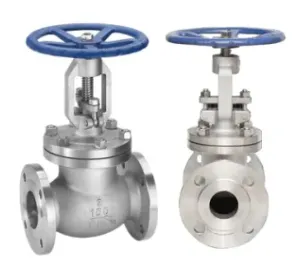
For applications where corrosion resistance is a concern, we offer Stainless Steel Check Valves. These valves are made from high-quality stainless steel materials, which provide excellent resistance to corrosion, rust, and chemical attack. Stainless steel check valves are suitable for a wide range of applications, including water treatment, food and beverage processing, and chemical processing.


Conclusion
In conclusion, modern check valves offer a wide range of new features and benefits that make them superior to traditional check valves in many applications. From enhanced sealing mechanisms and low-crack pressure design to silent operation and high-flow capacity, these valves are designed to improve system performance, reliability, and efficiency.
If you're in the market for a check valve, I encourage you to consider the latest advancements in modern check valve technology. Our company offers a comprehensive range of check valves to meet your specific needs and requirements. Whether you need a standard check valve or a custom-designed solution, our team of experts can help you find the right valve for your application.
To learn more about our check valves or to discuss your specific requirements, please contact us today. We look forward to working with you to provide the best check valve solutions for your business.
References
- "Check Valve Handbook," by Crane Co.
- "Valve Selection Guide," by Emerson Process Management.
- "Fluid Mechanics and Thermodynamics of Turbomachinery," by S. L. Dixon.