Replacing the gate of a gate valve is a task that requires a certain level of technical knowledge and the right set of tools. As a gate valve supplier, I've seen firsthand the importance of properly maintaining and replacing valve components to ensure optimal performance. In this blog post, I'll guide you through the process of replacing the gate of a gate valve, providing you with step-by-step instructions and valuable tips.
Understanding the Gate Valve and Its Components
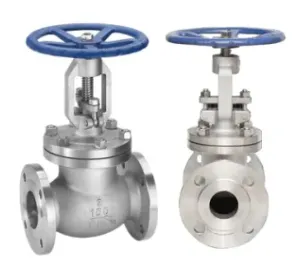
Before diving into the replacement process, it's crucial to understand the basic structure of a gate valve. A gate valve consists of several key components, including the body, bonnet, stem, gate, and seat. The gate is the movable part that controls the flow of fluid through the valve by either blocking or allowing passage. When the gate is fully open, fluid can flow freely; when it's fully closed, the flow is completely stopped.
There are different types of gate valves available in the market, each with its own unique features and applications. For instance, the Bevel Gear Flanged Gate Valve Z541H is designed for heavy-duty applications and offers reliable performance under high pressure and temperature conditions. The Cast Iron F4 Resilient Seated Gate Valve is known for its corrosion resistance and is commonly used in water treatment plants and irrigation systems. And the Resilient Seated Gate Valve provides a tight seal and is suitable for a wide range of applications.
Tools and Materials Needed
To replace the gate of a gate valve, you'll need the following tools and materials:
- Safety gear: Safety glasses, gloves, and a hard hat to protect yourself from potential hazards.
- Wrenches: A set of adjustable wrenches or socket wrenches to remove and install bolts.
- Screwdrivers: Flathead and Phillips screwdrivers for removing screws and accessing internal components.
- Pipe cutter: If necessary, a pipe cutter to cut the pipe connected to the valve.
- New gate: Make sure to choose a gate that is compatible with your valve model and specifications.
- Gasket: A new gasket to ensure a proper seal between the valve body and bonnet.
- Sealant: A suitable sealant to prevent leaks.
Step-by-Step Guide to Replacing the Gate
Step 1: Shut Off the Flow
Before starting any work on the valve, it's essential to shut off the flow of fluid. Locate the main shut-off valve upstream of the gate valve and close it to stop the flow. This will prevent any fluid from leaking out during the replacement process.
Step 2: Depressurize the System
After shutting off the flow, it's important to depressurize the system to avoid any potential injuries. Open a nearby valve downstream of the gate valve to release any remaining pressure in the pipeline. Make sure to do this slowly to prevent any sudden surges.
Step 3: Remove the Bonnet
Using the appropriate wrenches, carefully remove the bolts that hold the bonnet to the valve body. Place the bolts in a safe place to avoid losing them. Once the bolts are removed, gently lift the bonnet off the valve body. Be cautious as there may be some residual fluid or debris inside the valve.
Step 4: Remove the Old Gate
After removing the bonnet, you'll be able to access the gate. Locate the stem that is connected to the gate and use a screwdriver or wrench to remove any retaining nuts or pins. Once the retaining mechanism is removed, carefully lift the old gate out of the valve body. Take note of the orientation of the gate and any other components for proper reinstallation.
Step 5: Inspect the Valve Body and Seat
With the old gate removed, take the time to inspect the valve body and seat for any signs of damage or wear. Look for cracks, corrosion, or any other issues that may affect the performance of the valve. If necessary, clean the valve body and seat using a suitable cleaning agent to remove any debris or buildup.
Step 6: Install the New Gate
Place the new gate into the valve body, making sure it is properly aligned with the seat. Reattach the stem to the gate using the retaining nuts or pins. Double-check that the gate moves smoothly up and down without any obstruction.
Step 7: Replace the Gasket
Before reinstalling the bonnet, place a new gasket on the valve body. Make sure the gasket is centered and properly seated to ensure a tight seal. Apply a thin layer of sealant to the gasket to further enhance the sealing performance.


Step 8: Reinstall the Bonnet
Carefully lower the bonnet onto the valve body, aligning the bolt holes. Insert the bolts and tighten them evenly using the wrenches. Make sure not to overtighten the bolts, as this can damage the gasket or the valve components.
Step 9: Restore the Flow
Once the bonnet is reinstalled, slowly open the main shut-off valve upstream of the gate valve to restore the flow of fluid. Check for any leaks around the valve and make sure the gate operates smoothly. If you notice any leaks or issues, shut off the flow again and recheck the installation.
Tips and Precautions
- Always follow the manufacturer's instructions and safety guidelines when working on a gate valve.
- Wear appropriate safety gear to protect yourself from potential hazards.
- Make sure to use the correct tools and materials for the job.
- Take your time and be careful when removing and installing the components to avoid damaging them.
- If you're unsure about any step of the process, it's best to consult a professional plumber or valve technician.
Conclusion
Replacing the gate of a gate valve is a challenging but achievable task. By following the steps outlined in this guide and taking the necessary precautions, you can successfully replace the gate and ensure the proper functioning of your valve. As a gate valve supplier, we offer a wide range of high-quality gate valves and replacement parts to meet your needs. If you have any questions or need further assistance with valve replacement or maintenance, please feel free to contact us. We're here to help you make the right choice and ensure the long-term performance of your valves.
References
- "Valve Handbook: Principles and Applications" by James F. Rase
- "Pipe Fitter's and Steamfitter's Guide" by Peter Avallone