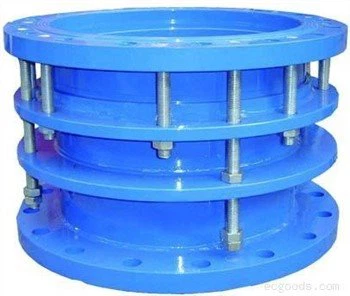
Hey there! As a supplier of EPDM Expansion Joints, I've seen all sorts of folks scratching their heads when it comes to choosing the right one. There are quite a few parameters to consider, and in this blog, I'll walk you through them one by one.
Temperature Range
First off, temperature is a big deal. EPDM Expansion Joints are pretty versatile, but they have their limits. Different applications have different temperature requirements. For instance, if you're using the expansion joint in a heating system, the temperature can get pretty high. You need to make sure the EPDM material can withstand those high temps without degrading.


On the flip side, in a cold storage facility, the joint has to be able to handle low temperatures without becoming brittle. Generally, EPDM can handle a decent range of temperatures, but it's always a good idea to check the specific temperature limits of the product you're eyeing. Some EPDM joints can handle temperatures from -40°F to 300°F (-40°C to 149°C), but this can vary. So, know your temperature requirements and pick an expansion joint that can keep up.
Pressure Rating
Pressure is another crucial factor. You wouldn't want an expansion joint that bursts under pressure, right? The pressure rating of an EPDM Expansion Joint indicates the maximum pressure it can safely handle. This is especially important in systems where there's a lot of pressure, like in industrial pipelines or hydraulic systems.
If you're dealing with high-pressure applications, you'll need a joint with a high-pressure rating. Manufacturers usually provide this information clearly, so make sure to check it. Underestimating the pressure requirements can lead to leaks or even catastrophic failures. So, do the math and figure out the pressure your system will put on the expansion joint, and then choose accordingly.
Chemical Compatibility
EPDM Expansion Joints might come into contact with various chemicals, depending on the application. Some chemicals can react with the EPDM material, causing it to deteriorate over time. For example, if your system deals with acids or alkalis, you need to make sure the EPDM joint is resistant to those substances.
Before making a decision, find out what chemicals the joint will be exposed to. Then, check the chemical compatibility chart provided by the manufacturer. This will tell you whether the EPDM material can withstand the chemicals without any issues. If there's any doubt, it's always a good idea to consult with the manufacturer or an expert.
Movement Capability
One of the main purposes of an expansion joint is to accommodate movement. This movement can be due to thermal expansion, vibration, or mechanical stress. You need to know how much movement your system will experience in different directions - axial (in and out), lateral (side to side), and angular (bending).
The expansion joint you choose should have the ability to handle this movement without getting damaged. Manufacturers usually specify the movement capabilities of their products. Make sure to match these capabilities with the expected movement in your system. If the joint can't handle the movement, it might tear or become ineffective, leading to problems down the line.
Size and Dimensions
Getting the right size and dimensions is a no-brainer. An expansion joint that's too big or too small won't work properly. You need to measure the space where the joint will be installed accurately. This includes the length, width, and diameter.
Also, pay attention to the connection type. There are different ways to connect an expansion joint, such as flanged, threaded, or welded connections. Make sure the connection type is compatible with your existing system. If you're not sure about the measurements or connection type, you can always ask for help from the manufacturer. They have the expertise to guide you through the process.
Quality and Durability
You don't want to keep replacing the expansion joint every few months, do you? Quality and durability are key. Look for a product that's made from high-quality EPDM material. A good manufacturer will use top-notch materials and have strict quality control measures in place.
Check the reputation of the manufacturer. Read reviews from other customers to see what they have to say about the product's durability. A well-made EPDM Expansion Joint should last for a long time, even under harsh conditions. It's worth investing a bit more in a high-quality product to save yourself from headaches in the future.
Cost
Let's face it, cost is always a consideration. But don't just go for the cheapest option. Remember, you get what you pay for. A low-cost expansion joint might not meet all your requirements in terms of quality, durability, or performance.
Compare the prices of different products, but also take into account the features and benefits they offer. Sometimes, spending a little more on a better-quality joint can save you money in the long run by reducing maintenance and replacement costs. Look for a balance between cost and quality.
Installation and Maintenance
Installation and maintenance are often overlooked, but they're important. A complicated installation process can add to the overall cost and time. Look for an expansion joint that's easy to install. The manufacturer should provide clear installation instructions.
Maintenance is also something to think about. Some expansion joints require more maintenance than others. For example, joints that are exposed to harsh environments might need more frequent inspections and cleaning. Consider how much time and effort you're willing to put into maintenance when choosing an expansion joint.
Additional Considerations
There are a few other things to keep in mind. For example, if you're in an area with strict environmental regulations, make sure the EPDM Expansion Joint meets those requirements. Also, think about the availability of spare parts. If something goes wrong with the joint in the future, you want to be able to get the parts you need quickly.
And don't forget about the warranty. A good warranty shows that the manufacturer stands behind their product. It gives you some peace of mind knowing that if there are any issues, you're covered.
Related Products
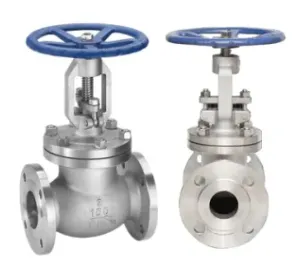
If you're in the market for other valve-related products, you might be interested in these: Flange Connection Stainless Steel Y Strainer With Ss Filter, PVC Butterfly Valve PVC, and RF Butterfly Valve. These products can complement your EPDM Expansion Joint installation and help you create a more efficient system.
Conclusion
Choosing the right EPDM Expansion Joint is not as simple as it might seem. There are many parameters to consider, from temperature and pressure to chemical compatibility and movement capability. By taking the time to evaluate these factors carefully, you can ensure that you select an expansion joint that meets your specific needs.
If you have any questions or need more information about our EPDM Expansion Joints, don't hesitate to reach out. We're here to help you make the right choice. Whether you're a small business or a large industrial operation, we can provide you with high-quality products and excellent service. So, let's start the conversation and find the perfect expansion joint for your system.
References
- Manufacturer's product catalogs
- Industry standards and guidelines
- Technical papers on EPDM materials and expansion joints