Selecting the right globe valve for a specific gas application can be a bit of a headache, but don't worry, I'm here to help. As a globe valve supplier, I've seen it all and can guide you through the process. In this blog, I'll walk you through the key factors you need to consider when picking a globe valve for your gas application.
Understanding the Basics of Globe Valves
First things first, let's talk about what a globe valve is. A globe valve is a type of valve used for regulating flow in a pipeline. It has a movable disk-type element and a stationary ring seat in a generally spherical body. The name “globe” comes from the shape of the valve body, which resembles a globe. Globe valves are popular because they offer good throttling capabilities and can be used for both on/off and flow control applications.
Key Factors to Consider
1. Gas Type
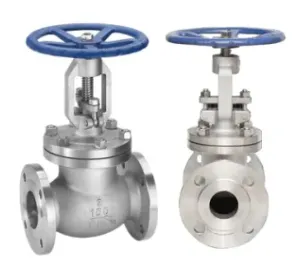
The type of gas you're dealing with is crucial. Different gases have different properties, such as corrosiveness, temperature, and pressure. For example, if you're working with a corrosive gas like chlorine, you'll need a valve made from a material that can resist corrosion. Stainless steel is a great choice for such applications. You can check out our Stainless Steel Flanged Globe Valve, which is designed to handle harsh environments and corrosive gases.
On the other hand, if you're dealing with a non - corrosive gas like natural gas, a cast iron valve might be sufficient. Our Cast Iron Flange Globe Valve is a cost - effective option for these types of applications.
2. Pressure and Temperature Ratings
The pressure and temperature of the gas in your system are also important factors. You need to choose a valve that can handle the maximum pressure and temperature that your system will experience. If the pressure is too high for the valve, it could lead to leaks or even valve failure. Similarly, if the temperature is outside the valve's rated range, it can cause the valve material to degrade over time.
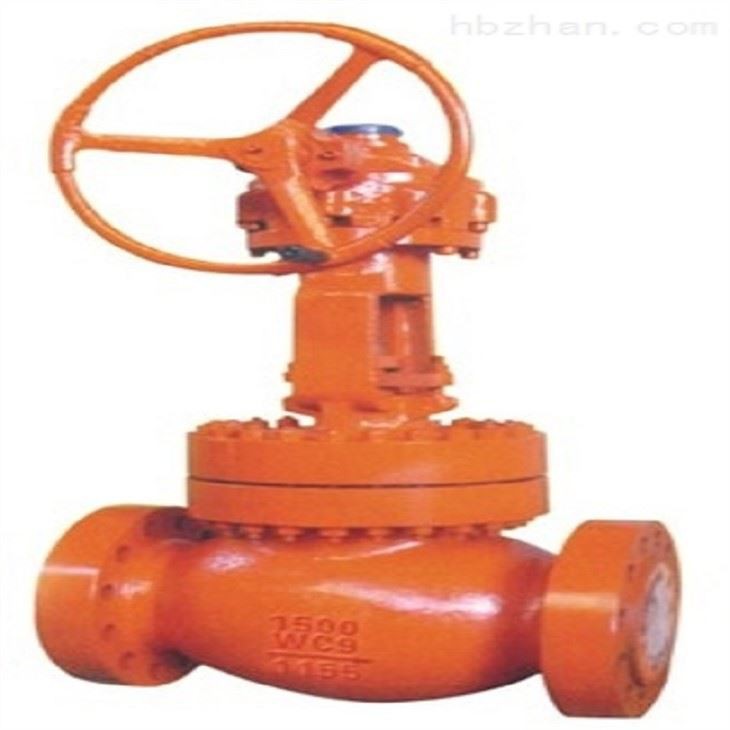
Most globe valves come with pressure and temperature ratings specified by the manufacturer. Make sure to check these ratings and choose a valve that exceeds the maximum pressure and temperature of your system. For high - pressure applications, a bevel gear - operated valve might be a good choice. Our Bevel Gear Flanged Globe Valve is designed to handle high pressures and can provide reliable operation in demanding conditions.
3. Flow Rate Requirements
The flow rate of the gas through the valve is another consideration. You need to select a valve with the right size and flow coefficient (Cv) to ensure that it can handle the required flow rate. A valve that is too small will restrict the flow, causing a pressure drop and reducing the efficiency of your system. Conversely, a valve that is too large can be more expensive and may not provide accurate flow control.
To determine the right valve size, you'll need to calculate the flow rate of your system and then refer to the valve manufacturer's sizing charts. These charts will help you select a valve with the appropriate Cv value for your flow rate requirements.

4. End Connections
The end connections of the valve need to match the piping system in your application. Common end connections for globe valves include flanged, threaded, and welded connections. Flanged connections are popular because they are easy to install and remove, making maintenance and replacement simpler. Threaded connections are suitable for smaller - diameter pipes and low - pressure applications. Welded connections provide a permanent and leak - tight seal, which is ideal for high - pressure and high - temperature applications.
When choosing a valve, make sure to select the appropriate end connection type based on your piping system and application requirements.
5. Actuation Method
Globe valves can be operated manually or with an actuator. Manual valves are simple and cost - effective, but they require someone to physically turn the valve handle. This can be a problem in applications where remote operation or quick response is needed.
Actuated valves, on the other hand, can be controlled remotely using electric, pneumatic, or hydraulic actuators. Electric actuators are easy to install and can be integrated with control systems. Pneumatic actuators are fast - acting and are often used in applications where a quick response is required. Hydraulic actuators are suitable for high - torque applications.
Consider your application requirements and choose the appropriate actuation method for your globe valve.
Other Considerations
1. Maintenance and Serviceability
You want a valve that is easy to maintain and service. Look for valves with replaceable seats and discs, as this will make it easier to repair the valve when it wears out. Also, consider the accessibility of the valve in your system. If the valve is located in a hard - to - reach area, it might be worth choosing a valve that is designed for easy maintenance.
2. Cost
Cost is always a factor when selecting any equipment. While you don't want to compromise on quality, you also want to get the best value for your money. Compare the prices of different valves from different manufacturers, but make sure to also consider the long - term costs, such as maintenance and replacement costs.
Conclusion
Selecting the right globe valve for a specific gas application is a complex process that requires careful consideration of several factors. By taking into account the gas type, pressure and temperature ratings, flow rate requirements, end connections, actuation method, maintenance, and cost, you can choose a valve that will provide reliable and efficient operation in your system.
If you're still not sure which globe valve is right for your application, don't hesitate to reach out. As a globe valve supplier, we have the expertise and experience to help you make the right choice. We can provide you with detailed information about our products and assist you in selecting the best valve for your specific needs. Let's start a conversation and find the perfect globe valve for your gas application.
References
- Valve Handbook, Crane Co.
- ASME B16.34 - Valves - Flanged, Threaded, and Welded End