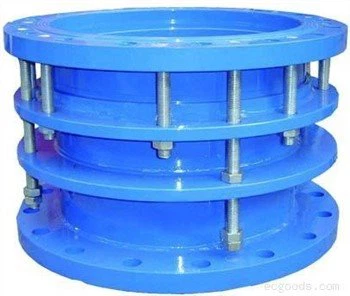
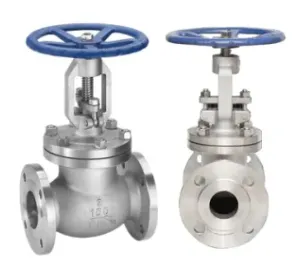
In the intricate network of refrigeration systems, every component plays a crucial role in ensuring optimal performance and reliability. Among these components, the dismantling joint stands out as a key element, especially when it comes to maintenance, repair, and system flexibility. As a leading supplier of dismantling joints, I understand the unique requirements that these joints must meet to function effectively in refrigeration pipelines. In this blog post, I will delve into the special requirements for a dismantling joint in a refrigeration pipeline, providing insights into why these specifications are essential for the smooth operation of your refrigeration system.
Material Compatibility
One of the primary considerations for a dismantling joint in a refrigeration pipeline is material compatibility. Refrigeration systems often use a variety of refrigerants, each with its own chemical properties and potential for corrosion. The dismantling joint must be constructed from materials that can withstand the specific refrigerant used in the system without degradation or chemical reaction.
For example, in systems using common refrigerants like R-134a or R-410A, materials such as stainless steel or high-grade plastics are often preferred. Stainless steel offers excellent corrosion resistance and mechanical strength, making it suitable for high-pressure and high-temperature applications. High-grade plastics, on the other hand, can provide good chemical resistance and are lightweight, which can be advantageous in certain installations.
It's also important to consider the compatibility of the gasket material used in the dismantling joint. The gasket must be able to create a tight seal against the refrigerant and any lubricants or additives used in the system. Neoprene, EPDM, and Viton are common gasket materials that offer good resistance to refrigerants and can maintain their sealing properties over a wide range of temperatures.
Pressure and Temperature Resistance
Refrigeration pipelines operate under varying pressure and temperature conditions, depending on the type of system and its application. A dismantling joint must be designed to withstand these conditions without failure.
In terms of pressure, the joint must be rated for the maximum operating pressure of the refrigeration system. This includes both normal operating pressures and any potential pressure spikes that may occur during startup, shutdown, or system malfunctions. High-pressure applications may require joints with thicker walls or reinforced construction to prevent leakage or rupture.
Temperature resistance is equally important. Refrigeration systems can experience extreme temperature variations, from very low temperatures in the evaporator section to high temperatures in the condenser. The dismantling joint must be able to maintain its structural integrity and sealing properties over this wide temperature range. Materials with good thermal stability, such as stainless steel and certain plastics, are often used to ensure reliable performance in both hot and cold environments.
Flexibility and Movement Compensation
Refrigeration pipelines are subject to thermal expansion and contraction, as well as vibration and movement caused by equipment operation. A dismantling joint must be able to accommodate these movements without causing stress on the pipeline or compromising the integrity of the system.
Flexibility is typically achieved through the design of the joint itself. Some dismantling joints feature bellows or expansion sections that allow for axial, lateral, and angular movement. These flexible elements can absorb the thermal expansion and contraction of the pipeline, reducing the risk of pipe stress and fatigue.
In addition to thermal movement, the joint must also be able to compensate for any misalignment that may occur during installation or due to external factors. This is particularly important in large or complex refrigeration systems where precise alignment can be difficult to achieve. A well-designed dismantling joint can provide the necessary flexibility to ensure a proper fit and connection between pipeline sections.
Sealing Performance
A reliable seal is essential for a dismantling joint in a refrigeration pipeline to prevent refrigerant leakage. Leakage not only reduces the efficiency of the refrigeration system but can also pose environmental and safety risks.
The sealing performance of a dismantling joint depends on several factors, including the design of the joint, the quality of the gasket material, and the installation process. A proper seal requires a smooth and clean mating surface between the joint and the pipeline, as well as the correct torque applied to the bolts or fasteners.
Some dismantling joints feature advanced sealing technologies, such as double seals or self-sealing gaskets, to provide an extra layer of protection against leakage. These technologies can help ensure a tight and reliable seal, even under challenging operating conditions.
Ease of Installation and Maintenance
In a refrigeration system, downtime for maintenance and repair can be costly. Therefore, a dismantling joint should be easy to install and disassemble, allowing for quick and efficient maintenance and replacement.
The design of the joint should be simple and straightforward, with clear instructions for installation. It should also be compatible with standard pipeline fittings and connections, making it easy to integrate into existing systems.
When it comes to maintenance, the dismantling joint should be accessible and easy to inspect. Replaceable gaskets and other components can simplify the maintenance process, reducing the time and cost required for repairs.
Compliance with Standards and Regulations
Refrigeration systems are subject to various standards and regulations to ensure safety and environmental protection. A dismantling joint must comply with these standards to be used in a refrigeration pipeline.


Some of the key standards that apply to dismantling joints in refrigeration systems include ASME (American Society of Mechanical Engineers) codes, ISO (International Organization for Standardization) standards, and local building and safety codes. These standards cover aspects such as material quality, design requirements, and testing procedures.
By choosing a dismantling joint that complies with these standards, you can ensure that your refrigeration system meets all the necessary safety and environmental requirements.
Conclusion
As a supplier of dismantling joints, I understand the importance of meeting the special requirements for these joints in refrigeration pipelines. Material compatibility, pressure and temperature resistance, flexibility, sealing performance, ease of installation and maintenance, and compliance with standards are all critical factors that must be considered when selecting a dismantling joint for your refrigeration system.
At our company, we offer a wide range of Flange Pipe Expansion Joint and Double Flange Expansion Joint that are specifically designed to meet the unique needs of refrigeration applications. Our joints are made from high-quality materials, engineered for optimal performance, and tested to ensure compliance with industry standards.
If you're in the market for a reliable and high-performance dismantling joint for your refrigeration pipeline, we invite you to contact us for more information. Our team of experts is ready to assist you in selecting the right joint for your specific requirements and to provide you with the support and service you need to ensure the success of your refrigeration system.
References
- ASME Boiler and Pressure Vessel Code
- ISO Standards for Pipe Fittings
- Refrigeration System Design and Installation Guidelines