Selecting the appropriate size of a Rising Stem Gate Valve is crucial for ensuring optimal performance and efficiency in any piping system. As a supplier of Rising Stem Gate Valves, I've encountered numerous customers grappling with this decision. In this blog, I'll share some insights on how to make the right choice.
Understanding Rising Stem Gate Valves
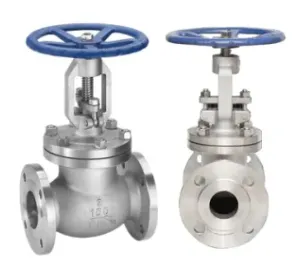
Before we dive into size selection, let's briefly understand what Rising Stem Gate Valves are. These valves are designed with a stem that rises as the valve opens, indicating the valve's position at a glance. They are commonly used in applications where full flow is required and where the valve's position needs to be easily visible. There are different types of Rising Stem Gate Valves, such as Manual Rising Stem Knife Gate Valves, which are ideal for handling slurries and viscous fluids.
Factors to Consider When Selecting Size
Flow Rate
One of the primary factors to consider is the flow rate of the fluid in the piping system. The valve size should be selected to accommodate the maximum expected flow rate without causing excessive pressure drop. If the valve is too small, it can restrict the flow, leading to increased energy consumption and potential damage to the system. On the other hand, if the valve is too large, it can be more expensive and may not operate efficiently.
To determine the appropriate valve size based on flow rate, you can use flow rate calculations. These calculations take into account factors such as the fluid's velocity, density, and viscosity. You can find online calculators or consult engineering handbooks for more accurate calculations.
Pressure Rating
Another important factor is the pressure rating of the system. The valve must be able to withstand the maximum pressure that the system may experience. If the pressure rating of the valve is too low, it can lead to valve failure, leaks, or even safety hazards. Make sure to check the pressure rating of the valve and ensure it is compatible with the system's pressure requirements.
Pipe Size
The size of the pipe in the system also plays a significant role in valve size selection. In most cases, it is recommended to select a valve with the same size as the pipe. This ensures a proper fit and minimizes the risk of flow disturbances. However, there may be situations where a different valve size is required, such as when there are changes in pipe diameter or when specific flow conditions need to be met.
Fluid Characteristics
The characteristics of the fluid being transported, such as its temperature, viscosity, and corrosiveness, can also affect valve size selection. For example, if the fluid is highly viscous, a larger valve size may be needed to ensure smooth flow. Similarly, if the fluid is corrosive, a valve made of a suitable material with a larger wall thickness may be required to prevent corrosion.
Step-by-Step Guide to Selecting Valve Size
Step 1: Determine the Flow Requirements
First, you need to determine the maximum and minimum flow rates of the fluid in the system. This can be done by analyzing the process requirements or by measuring the flow rate using flow meters. Make sure to consider any future expansion or changes in the system that may affect the flow rate.


Step 2: Calculate the Pressure Drop
Once you have the flow rate, you can calculate the pressure drop across the valve. The pressure drop is the difference in pressure between the inlet and outlet of the valve. It is important to keep the pressure drop within acceptable limits to ensure efficient operation of the system. You can use pressure drop calculations or consult valve manufacturers for their recommendations.
Step 3: Consider the Pipe Size
As mentioned earlier, the valve size should generally match the pipe size. However, if there are specific requirements or constraints, you may need to adjust the valve size accordingly. Make sure to consider the pipe's schedule (wall thickness) and any fittings or reducers that may be used in the system.
Step 4: Evaluate the Fluid Characteristics
Take into account the temperature, viscosity, and corrosiveness of the fluid. Based on these characteristics, select a valve material and size that can withstand the conditions. For example, if the fluid is at a high temperature, a valve made of a heat-resistant material may be required.
Step 5: Consult with a Professional
If you are unsure about the valve size selection or if you have complex system requirements, it is always a good idea to consult with a professional engineer or a valve expert. They can provide valuable advice and help you make the right decision.
Comparing Rising Stem Gate Valves with Non-rising Stem Gate Valves
It's also worth mentioning the difference between Rising Stem Gate Valves and Non-rising Stem Gate Valves. Non-rising Stem Gate Valves have a stem that does not rise as the valve opens. They are often used in applications where space is limited or where the valve's position does not need to be easily visible. However, Rising Stem Gate Valves are preferred in many applications because they provide a clear indication of the valve's position and are easier to operate.
Different Types of Rising Stem Gate Valves
There are various types of Rising Stem Gate Valves available in the market, each with its own features and applications. For example, Cast Iron Brass Sealed Rising Stem Gate Valves are known for their durability and corrosion resistance. They are commonly used in water supply systems and industrial applications.
Conclusion
Selecting the appropriate size of a Rising Stem Gate Valve is a critical decision that can impact the performance and efficiency of your piping system. By considering factors such as flow rate, pressure rating, pipe size, and fluid characteristics, you can make an informed choice. If you have any questions or need further assistance in selecting the right valve size for your application, don't hesitate to reach out. We're here to help you find the perfect solution for your needs. Whether you're working on a small-scale project or a large industrial installation, we can provide the expertise and high-quality Rising Stem Gate Valves you require. Contact us today to start the procurement process and get the best value for your investment.
References
- Valve Handbook, Engineering Toolbox
- Fluid Mechanics and Thermodynamics of Turbomachinery, S. L. Dixon