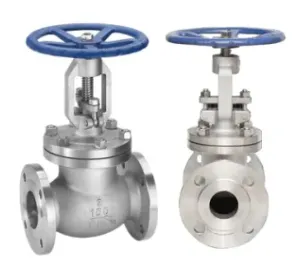
Long - term storage of gate valves can have a variety of effects on their performance, integrity, and overall lifespan. As a gate valve supplier, understanding these effects is crucial for ensuring that our products reach customers in optimal condition and continue to function effectively over time.


Physical Degradation
One of the most significant effects of long - term storage on gate valves is physical degradation. Gate valves are typically made of metals such as cast iron, steel, or stainless steel. Over time, these materials can be affected by environmental factors during storage.
Corrosion: If the storage environment is humid or contains corrosive substances, the metal components of the gate valve can corrode. Corrosion can lead to the formation of rust on the valve body, stem, and gate. For example, in a coastal area where the air has a high salt content, the salt can accelerate the corrosion process. Rust not only affects the appearance of the valve but also weakens the structural integrity of the metal. A corroded valve may have reduced strength, making it more prone to cracking or failure under pressure. This can compromise the valve's ability to control the flow of fluids effectively.
Mechanical Wear: Even when a gate valve is in storage, there can be some degree of mechanical wear. Vibration during transportation to the storage facility or minor movements within the storage area can cause the moving parts of the valve, such as the stem and the gate, to rub against each other. Over a long period, this can lead to the wearing down of the surfaces, reducing the smoothness of operation. For instance, a worn - out stem may make it difficult to open or close the valve, increasing the operating torque required.
Lubrication Deterioration
Lubrication is essential for the proper functioning of gate valves. It reduces friction between moving parts, prevents wear, and helps in smooth operation. However, during long - term storage, the lubricants used in gate valves can deteriorate.
Evaporation and Oxidation: Lubricants can evaporate over time, especially if the storage temperature is relatively high. Oxidation can also occur when the lubricant is exposed to air. Oxidized lubricants become thicker and lose their lubricating properties. For example, a grease - lubricated gate valve may find that the grease hardens and becomes less effective at reducing friction. This can lead to increased resistance when operating the valve, and in severe cases, it may cause the valve to seize up.
Contamination: The storage environment can introduce contaminants into the lubricant. Dust, dirt, and moisture can mix with the lubricant, further degrading its quality. Contaminated lubricant can cause abrasion on the valve's moving parts, leading to premature wear and potential failure.
Seal Integrity
The seals in a gate valve are critical for preventing leakage. Long - term storage can have a negative impact on the integrity of these seals.
Seal Hardening: Many gate valve seals are made of elastomeric materials such as rubber. Over time, these materials can harden due to factors like temperature changes, exposure to air, and chemical reactions. A hardened seal may not be able to form a proper seal against the valve body and the gate, resulting in leakage. For example, a resilient - seated gate valve may experience reduced sealing performance if the rubber seat hardens during storage.
Seal Compression Set: When a seal is in a compressed state for an extended period during storage, it can develop a compression set. This means that the seal loses its ability to return to its original shape after the compression force is removed. As a result, the seal may not be able to provide an effective seal when the valve is put into service.
Impact on Performance
The physical degradation, lubrication deterioration, and seal integrity issues caused by long - term storage can have a direct impact on the performance of gate valves.
Flow Control: A gate valve that has been affected by long - term storage may not be able to control the flow of fluids accurately. Corroded or worn - out parts can cause the valve to open or close unevenly, leading to inconsistent flow rates. For example, a partially blocked gate due to corrosion may restrict the flow more than intended, affecting the overall efficiency of the fluid system.
Pressure Resistance: The structural integrity of a gate valve is crucial for withstanding pressure. If corrosion or mechanical wear has weakened the valve body or other components, the valve may not be able to handle the designed pressure. This can pose a safety risk, especially in high - pressure applications. For instance, a valve that fails under pressure can cause fluid leaks, which may lead to environmental hazards or equipment damage.
Mitigation Strategies
As a gate valve supplier, we take several steps to mitigate the effects of long - term storage on our products.
Proper Packaging: We ensure that our gate valves are properly packaged before storage. This includes using protective coatings to prevent corrosion and placing the valves in sealed containers to protect them from dust, dirt, and moisture. For example, we may coat the valve surfaces with a rust - inhibiting paint and place the valve in a plastic bag with a desiccant to absorb any moisture.
Regular Inspection: During storage, we conduct regular inspections of the gate valves. This allows us to detect any signs of corrosion, wear, or lubrication deterioration early. If any issues are found, we can take appropriate measures such as re - lubricating the valve or replacing damaged parts.
Optimal Storage Conditions: We store our gate valves in a controlled environment. This means maintaining a stable temperature and humidity level. For example, we may store the valves in a climate - controlled warehouse where the temperature is kept between 10°C and 30°C and the relative humidity is below 60%.
Product Recommendations
We offer a wide range of gate valves that are designed to withstand long - term storage and perform reliably in various applications. For example, our Manual Rising Stem Knife Gate Valves are known for their robust construction and excellent sealing performance. These valves are suitable for applications where precise flow control is required.
Our Steel Round Gate is another popular option. Made of high - quality steel, it offers high strength and corrosion resistance, making it ideal for long - term storage and use in harsh environments.
For applications that require a valve with a resilient seat, our 16bar Dustile Iron Nrs Resilient Seat Wedge Gate Valve is a great choice. It provides a tight seal and is designed to minimize leakage.
Conclusion
Long - term storage can have significant effects on gate valves, including physical degradation, lubrication deterioration, and seal integrity issues. However, by understanding these effects and implementing appropriate mitigation strategies, we can ensure that our gate valves remain in good condition during storage and perform effectively when put into service. If you are in need of high - quality gate valves or have any questions about our products, we encourage you to contact us for procurement and further discussion. Our team of experts is ready to assist you in finding the right valve solution for your specific needs.
References
- ASME B16.34 - Valves - Flanged, Threaded, and Welded End.
- API 600 - Steel Gate Valves - Flanged and Butt - Welding Ends, Bolted Bonnet.
- ISO 5208 - Industrial Valves - Pressure Testing of Valves.