Automation in industrial processes has become a cornerstone of modern manufacturing and operations, offering enhanced efficiency, precision, and safety. As a leading supplier of Bellows Gate Valves, I often encounter the question: Is it possible to automate a Bellows Gate Valve? In this blog post, I will delve into this topic, exploring the feasibility, benefits, and considerations of automating these essential components.
Understanding Bellows Gate Valves
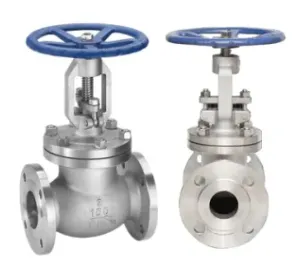
Before discussing automation, it's crucial to understand what Bellows Gate Valves are and their typical applications. Bellows Gate Valves are designed to provide a tight seal in high - pressure and high - temperature environments. The bellows element acts as a secondary seal, preventing leakage of the process fluid to the atmosphere. These valves are commonly used in industries such as oil and gas, chemical processing, power generation, and pharmaceutical manufacturing, where safety and reliability are of utmost importance.
The Feasibility of Automating Bellows Gate Valves
The short answer is yes, it is possible to automate a Bellows Gate Valve. With advancements in valve automation technology, a wide range of actuators can be integrated with Bellows Gate Valves to achieve automated operation.
Types of Actuators
- Electric Actuators: Electric actuators are popular for their precision and ease of control. They can be programmed to open and close the valve at specific times or in response to certain process conditions. Electric actuators are suitable for applications where a high degree of accuracy is required, such as in chemical dosing systems.
- Pneumatic Actuators: Pneumatic actuators use compressed air to operate the valve. They are known for their fast operation and high torque output, making them ideal for applications that require quick valve opening and closing, such as emergency shutdown systems.
- Hydraulic Actuators: Hydraulic actuators offer high force capabilities and are often used in large - scale industrial applications where the valve needs to handle high pressures. They are commonly found in oil and gas pipelines and heavy - duty manufacturing processes.
Integration Process
Integrating an actuator with a Bellows Gate Valve involves several steps. First, the actuator needs to be selected based on the valve's size, pressure rating, and the required operating torque. Once the actuator is chosen, it is mounted onto the valve stem. The actuator is then connected to a control system, which can be a simple on - off switch or a more complex programmable logic controller (PLC). The control system allows for remote operation and monitoring of the valve, enabling operators to adjust the valve position as needed.
Benefits of Automating Bellows Gate Valves
Automating Bellows Gate Valves offers numerous benefits for industrial operations.
Improved Efficiency
Automated valves can be programmed to open and close at optimal times, reducing the need for manual intervention. This leads to more efficient use of resources and increased productivity. For example, in a power generation plant, automated Bellows Gate Valves can be used to regulate the flow of steam, ensuring that the turbine operates at its maximum efficiency.
Enhanced Safety
In hazardous environments, automated valves can help prevent accidents by providing quick and reliable shut - off in case of an emergency. For instance, in a chemical processing plant, an automated Bellows Gate Valve can be programmed to close immediately if a leak is detected, minimizing the risk of exposure to toxic chemicals.
Precise Control
Automated valves offer precise control over the flow rate and pressure of the process fluid. This is particularly important in applications where accurate dosing or flow regulation is required, such as in pharmaceutical manufacturing.
Remote Monitoring and Control
Automated valves can be monitored and controlled remotely, allowing operators to make adjustments without being physically present at the valve location. This is especially useful in large - scale industrial facilities where valves are located in hard - to - reach areas.
Considerations for Automating Bellows Gate Valves
While the benefits of automation are significant, there are also some considerations that need to be taken into account.
Cost
The initial cost of automating a Bellows Gate Valve can be relatively high, as it includes the cost of the actuator, control system, and installation. However, it's important to consider the long - term savings in terms of increased efficiency and reduced maintenance costs.
Maintenance
Automated valves require regular maintenance to ensure proper operation. This includes checking the actuator for wear and tear, lubricating moving parts, and testing the control system. It's essential to have a maintenance plan in place to minimize downtime and prevent costly breakdowns.
Compatibility
When selecting an actuator for a Bellows Gate Valve, it's crucial to ensure compatibility between the valve and the actuator. Factors such as valve size, pressure rating, and operating torque need to be carefully considered to ensure that the actuator can operate the valve effectively.
Our Product Offerings
As a Bellows Gate Valve supplier, we offer a wide range of valves and automation solutions. Our F5 Gate Valve is a high - performance valve that can be easily automated for various industrial applications. The 16bar Dustile Iron Nrs Resilient Seat Wedge Gate Valve is another popular choice, known for its durability and reliability. We also provide Knife Gate Valve solutions that can be customized with automation features to meet specific customer requirements.


Conclusion
In conclusion, it is indeed possible to automate a Bellows Gate Valve, and the benefits of doing so are substantial. By integrating the right actuator and control system, industrial operators can achieve improved efficiency, enhanced safety, and precise control over their processes. However, it's important to carefully consider the cost, maintenance, and compatibility factors before making a decision.
If you are interested in automating your Bellows Gate Valves or have any questions about our product offerings, please feel free to contact us for a detailed consultation. We are committed to providing high - quality valves and automation solutions to meet your industrial needs.
References
- "Valve Handbook: Principles and Applications" by J. A. Nyquist
- "Automation in the Process Industries" by T. A. Lembke
- Industry standards and guidelines related to valve automation and Bellows Gate Valve design