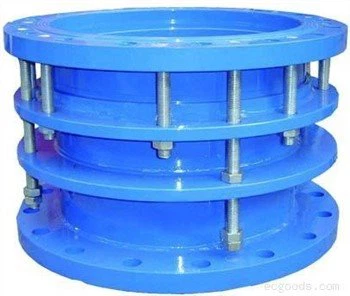
A dismantling joint, also known as a pipe dismantling joint or a pipe expansion joint, is a crucial component in piping systems. As a supplier of dismantling joints, I've witnessed firsthand the importance of these devices in various industrial and commercial applications. In this blog, I'll delve into how a dismantling joint works, its functions, and its significance in piping systems.
Basic Structure of a Dismantling Joint
A typical dismantling joint consists of three main parts: two flanges and a body. The flanges are usually made of high - strength materials such as carbon steel or stainless steel. These flanges are designed to be connected to the pipes on either side of the dismantling joint. The body of the joint is often a flexible section that allows for movement and adjustment.


The flanges are bolted to the pipes using a series of bolts and nuts. The number and size of the bolts depend on the diameter of the pipe and the pressure requirements of the system. The body of the dismantling joint is designed to withstand the internal pressure of the fluid flowing through the pipe while still allowing for some degree of movement.
How a Dismantling Joint Works
1. Installation and Initial Connection
When installing a dismantling joint, the first step is to align the flanges of the joint with the flanges of the pipes. The bolts are then inserted through the bolt holes in the flanges and tightened using a torque wrench to ensure a proper seal. This initial connection creates a secure link between the pipes and the dismantling joint, allowing the fluid to flow through the system.
2. Accommodating Pipe Movement
One of the primary functions of a dismantling joint is to accommodate various types of pipe movement. Pipes can experience axial movement (expansion or contraction along the length of the pipe), lateral movement (side - to - side movement), and angular movement (bending at an angle).
- Axial Movement: Pipes expand and contract due to temperature changes. For example, in a heating system, when the hot fluid flows through the pipes, the pipes expand. A dismantling joint can absorb this axial expansion by allowing the body of the joint to stretch. Conversely, when the temperature drops and the pipes contract, the joint compresses accordingly. This ability to handle axial movement helps prevent stress buildup in the pipes, which could otherwise lead to pipe failure.
- Lateral Movement: Lateral movement can occur due to ground settlement, equipment vibration, or changes in the piping layout. The flexible body of the dismantling joint can bend sideways to accommodate this lateral displacement. This ensures that the pipes remain connected and the system continues to function properly without any leaks or damage.
- Angular Movement: Angular movement may be necessary when there are changes in the direction of the piping system. The dismantling joint can flex at an angle, allowing the pipes to change direction smoothly. This is particularly useful in complex piping networks where pipes need to be routed around obstacles or connect to equipment at different angles.
3. Maintenance and Repair
Another important aspect of how a dismantling joint works is its role in maintenance and repair. When it comes time to perform maintenance on a section of the piping system or replace a component, the dismantling joint makes the process much easier. By simply loosening the bolts on the flanges, the joint can be disassembled, allowing access to the pipes or equipment. This saves time and labor compared to having to cut and re - weld the pipes, which is a more time - consuming and costly process.
Types of Dismantling Joints and Their Working Principles
Flange Pipe Expansion Joint
A Flange Pipe Expansion Joint is a type of dismantling joint that is specifically designed to handle axial expansion and contraction. It consists of a flexible bellows or a rubber element between two flanges. The bellows or rubber element can stretch or compress to accommodate the axial movement of the pipes. The flanges are bolted to the pipes, creating a sealed connection. This type of joint is commonly used in heating, ventilation, and air - conditioning (HVAC) systems, as well as in industrial piping systems where temperature - induced expansion is a concern.
Double Flange Expansion Joint
The Double Flange Expansion Joint is another variant. It has two flanges on each end and is capable of handling both axial and lateral movement. The double - flange design provides additional stability and support to the joint. The flexible element in the middle of the joint allows for movement in multiple directions, making it suitable for more complex piping systems where both types of movement are expected.
Significance of Dismantling Joints in Piping Systems
1. Preventing Pipe Failures
By accommodating pipe movement, dismantling joints help prevent excessive stress on the pipes. Stress can lead to cracks, leaks, and ultimately, pipe failures. In industrial settings, a pipe failure can result in costly downtime, environmental hazards, and safety risks. Dismantling joints act as a safeguard, ensuring the long - term integrity of the piping system.
2. Improving System Flexibility
Piping systems often need to be modified or expanded over time. Dismantling joints provide the flexibility to make these changes without having to completely redesign the system. They allow for easy connection and disconnection of pipes, making it possible to add new equipment or reroute the piping as needed.
3. Reducing Maintenance Costs
As mentioned earlier, the ease of disassembly and reassembly of dismantling joints reduces maintenance costs. Instead of having to cut and weld pipes during maintenance or repair, technicians can simply loosen the bolts and access the necessary components. This not only saves time but also reduces the need for specialized welding equipment and skilled labor.
Conclusion
In conclusion, a dismantling joint is a vital component in piping systems. Its ability to accommodate various types of pipe movement, facilitate maintenance and repair, and enhance system flexibility makes it an indispensable part of many industrial and commercial applications. Whether it's a Flange Pipe Expansion Joint or a Double Flange Expansion Joint, these joints play a crucial role in ensuring the smooth operation of piping systems.
If you're in the market for high - quality dismantling joints for your piping system, I invite you to reach out to me. We have a wide range of dismantling joints to meet your specific requirements. Contact me to discuss your project and get a quote. I'm committed to providing you with the best products and services to ensure the success of your piping system.
References
- "Piping Handbook" by Cameron Engineering and Associates
- "Pipe Fitting Handbook" by James A. Blodgett