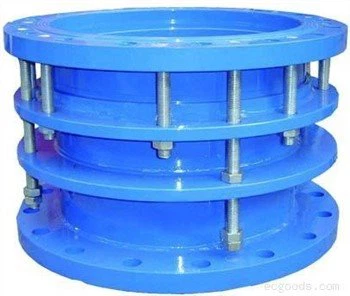
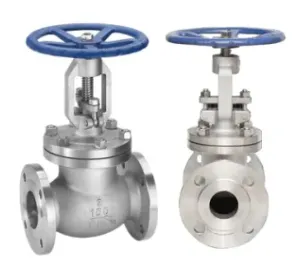
In the realm of water treatment pipelines, the efficiency and longevity of the system are paramount. A crucial component in these pipelines is the dismantling joint, which plays a significant role in facilitating installation, maintenance, and repair. However, to ensure the optimal performance of the water treatment pipeline, it is essential to address the anti - scale and anti - fouling requirements for the dismantling joint. As a trusted dismantling joint supplier, I am well - versed in these requirements and their implications for the overall system.
Understanding Scale and Fouling in Water Treatment Pipelines
Scale and fouling are common issues in water treatment pipelines. Scale refers to the deposition of insoluble salts, such as calcium carbonate, magnesium hydroxide, and calcium sulfate, on the inner surface of the pipeline and its components. Fouling, on the other hand, is the accumulation of organic or inorganic materials, including microorganisms, silt, and debris, which can also adhere to the surfaces within the pipeline.

These problems can have detrimental effects on the water treatment pipeline. Firstly, scale and fouling can reduce the cross - sectional area of the pipeline, leading to increased flow resistance and decreased flow rate. This not only affects the efficiency of the water treatment process but also increases energy consumption as the pumps need to work harder to maintain the desired flow. Secondly, the accumulation of scale and fouling can create a breeding ground for bacteria and other harmful microorganisms, posing a threat to water quality. Thirdly, over time, scale and fouling can cause corrosion of the pipeline and its components, shortening their service life and increasing the risk of leaks and failures.
Anti - Scale Requirements for Dismantling Joints
Material Selection
One of the primary anti - scale requirements for a dismantling joint is the appropriate selection of materials. Materials with low surface energy and smooth surfaces are less likely to attract scale deposits. For example, stainless steel is a popular choice for dismantling joints in water treatment pipelines. Stainless steel has excellent corrosion resistance and a smooth surface finish, which reduces the adhesion of scale. Additionally, some advanced polymers, such as polyethylene and polypropylene, can also be used. These polymers have non - stick properties and are resistant to chemical attack, making them suitable for anti - scale applications.
Surface Treatment
Surface treatment can further enhance the anti - scale performance of a dismantling joint. Coating the joint with anti - scale coatings is a common practice. These coatings can create a barrier between the joint surface and the water, preventing scale from adhering directly to the metal. For instance, ceramic coatings are known for their high hardness and chemical inertness. They can withstand high temperatures and harsh chemical environments, effectively reducing scale formation. Another surface treatment method is electropolishing. Electropolishing can remove surface irregularities and create a mirror - like finish on the joint, which makes it more difficult for scale to adhere.
Design Considerations
The design of the dismantling joint also plays a role in anti - scale performance. A well - designed joint should minimize areas where water can stagnate. Stagnant water is more likely to cause scale deposition as the concentration of salts and other dissolved substances increases over time. For example, the internal structure of the joint should have smooth transitions and no sharp corners or crevices where water can collect. Additionally, the joint should be designed to allow for easy cleaning. Some dismantling joints are designed with removable parts or access ports, which enable maintenance personnel to clean the internal surfaces of the joint regularly.
Anti - Fouling Requirements for Dismantling Joints
Microbiological Resistance
Microorganisms are a major cause of fouling in water treatment pipelines. Therefore, a dismantling joint should have good microbiological resistance. Some materials, such as copper - based alloys, have natural antibacterial properties. Copper ions can inhibit the growth of bacteria and other microorganisms, reducing the risk of biofouling. In addition to material selection, the use of biocides can also be considered. However, the use of biocides should be carefully regulated to ensure that they do not have a negative impact on water quality.
Physical Barriers
Creating physical barriers can prevent the attachment of fouling materials to the dismantling joint. For example, installing filters or screens upstream of the joint can trap large particles and debris, reducing the amount of material that can reach the joint. Another approach is to use anti - fouling membranes. These membranes can be coated on the surface of the joint and are designed to repel fouling materials while allowing water to pass through.

Flow Optimization
Proper flow conditions can also help prevent fouling. A well - designed water treatment pipeline should ensure a sufficient flow rate through the dismantling joint. High - velocity flow can prevent the settlement of particles and the formation of biofilms on the joint surface. Additionally, the flow should be evenly distributed across the joint to avoid areas of low flow where fouling is more likely to occur.

Our Dismantling Joints: Meeting Anti - Scale and Anti - Fouling Requirements
As a dismantling joint supplier, we are committed to providing products that meet the highest anti - scale and anti - fouling requirements. Our Double Flange Expansion Joint and Flange Pipe Expansion Joint are designed with these considerations in mind.
We use high - quality materials, such as stainless steel and advanced polymers, to ensure the anti - scale and anti - fouling performance of our joints. Our products undergo rigorous surface treatment processes, including electropolishing and coating with anti - scale and anti - fouling materials, to enhance their resistance to scale and fouling.

In terms of design, our joints are engineered to minimize stagnant water areas and allow for easy cleaning. We also offer customization options to meet the specific needs of different water treatment pipelines. Whether it is a small - scale water treatment plant or a large - scale industrial water system, our dismantling joints can provide reliable performance.
Importance of Meeting Anti - Scale and Anti - Fouling Requirements
Meeting the anti - scale and anti - fouling requirements for a dismantling joint is not only beneficial for the performance of the water treatment pipeline but also for the overall cost - effectiveness of the system. By preventing scale and fouling, the need for frequent maintenance and replacement of the joint is reduced, saving both time and money. Moreover, it ensures the consistent quality of the treated water, which is crucial for applications such as drinking water supply and industrial processes.
Contact Us for Your Dismantling Joint Needs
If you are in the market for high - quality dismantling joints that meet strict anti - scale and anti - fouling requirements, we would love to hear from you. Our team of experts is ready to assist you in selecting the right product for your water treatment pipeline. Whether you have a specific project in mind or need general advice on pipeline components, we are here to help. Reach out to us to start a procurement discussion and ensure the long - term efficiency and reliability of your water treatment system.
References
- AWWA (American Water Works Association). "Water Treatment Plant Design." McGraw - Hill Professional, 2019.
- ASME (American Society of Mechanical Engineers). "B31.1 Power Piping Code." ASME, 2020.
- Tchobanoglous, G., Burton, F. L., & Stensel, H. D. "Wastewater Engineering: Treatment and Resource Recovery." McGraw - Hill Education, 2014.