Hey there! As a supplier of parallel gate valves, I've seen firsthand the importance of chemical compatibility when it comes to these valves. In this blog, I'm gonna break down what chemical compatibility means for parallel gate valves and why it's a big deal.
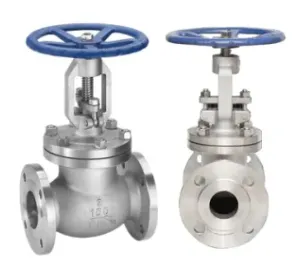
First off, let's get into what a parallel gate valve is. It's a type of valve that uses two parallel gates to control the flow of fluid. These valves are often used in industrial applications where you need to handle large volumes of liquids or gases. They're known for their reliability and ability to provide a tight seal.
Now, when it comes to chemical compatibility, it's all about making sure the materials used in the valve can withstand the chemicals they'll come into contact with. If the valve isn't compatible with the chemicals, it can lead to a whole bunch of problems, like corrosion, leakage, and even valve failure.
One of the main factors to consider is the type of fluid the valve will be handling. Different chemicals have different properties, and some can be more aggressive than others. For example, acids and alkalis are highly corrosive and can eat away at certain materials. So, if you're using a parallel gate valve to handle an acidic solution, you need to make sure the valve is made from a material that can resist corrosion.
Another important factor is the temperature and pressure of the fluid. High temperatures and pressures can increase the reactivity of chemicals, making them more likely to cause damage to the valve. So, you need to choose a valve that can handle the specific temperature and pressure conditions of your application.
Let's talk about the materials commonly used in parallel gate valves and their chemical compatibility.
1. Cast Iron
Cast iron is a popular choice for parallel gate valves because it's strong and relatively inexpensive. However, it's not very resistant to corrosion, especially in the presence of acidic or alkaline fluids. If you're using a cast iron valve to handle a corrosive chemical, you might want to consider adding a protective coating or lining to the valve. Check out our Cast Iron Brass Sealed Rising Stem Gate Valves for more options.
2. Stainless Steel
Stainless steel is a great choice for valves that need to handle corrosive chemicals. It has excellent corrosion resistance and can withstand a wide range of temperatures and pressures. There are different grades of stainless steel, and the choice depends on the specific chemical and operating conditions. For example, 316 stainless steel is more resistant to corrosion than 304 stainless steel, especially in the presence of chlorides.

3. Brass
Brass is another common material used in parallel gate valves. It has good corrosion resistance and is relatively easy to machine. However, it's not suitable for handling certain chemicals, such as ammonia and strong acids. If you're using a brass valve, make sure to check its compatibility with the specific chemical you're dealing with.
4. Resilient Materials
Some parallel gate valves use resilient materials, such as rubber or elastomers, for sealing. These materials can provide a tight seal and are often used in applications where a low-leakage rate is required. However, they need to be compatible with the chemicals in the fluid. For example, some rubber materials can swell or degrade when exposed to certain solvents or oils. Our Non Rising Stem Groove Resilient Gate Valve is a great option if you're looking for a valve with a resilient seal.
5. Steel
Steel is a strong and durable material that can handle high pressures and temperatures. It's commonly used in industrial applications where the valve needs to withstand harsh conditions. However, like cast iron, steel can be susceptible to corrosion, especially in the presence of moisture and oxygen. To improve its corrosion resistance, steel valves can be coated or galvanized. Take a look at our Steel Round Gate for a high-quality steel valve option.
In addition to the material of the valve itself, you also need to consider the compatibility of other components, such as gaskets, seals, and packing. These components can be made from different materials, and they need to be able to withstand the chemicals in the fluid without degrading or losing their sealing properties.

So, how do you determine the chemical compatibility of a parallel gate valve? Well, one way is to consult the valve manufacturer's chemical compatibility chart. These charts provide information on the compatibility of the valve materials with different chemicals. You can also conduct tests in a laboratory to verify the compatibility of the valve with the specific chemical you're using.
It's also a good idea to work with a valve supplier who has experience in dealing with chemical applications. They can help you choose the right valve for your specific needs and provide you with advice on how to ensure its long-term performance.
In conclusion, chemical compatibility is a crucial consideration when it comes to parallel gate valves. By choosing the right materials and components, you can ensure that your valve will perform reliably and safely in your application. If you're in the market for a parallel gate valve and need help with chemical compatibility or any other aspect of valve selection, don't hesitate to reach out. We're here to help you find the perfect valve for your needs. Let's start a conversation and see how we can work together to solve your valve challenges.
References
- Valve Handbook, 4th Edition, by J. S. Netterville
- Chemical Compatibility Guide for Industrial Valves, various industry publications