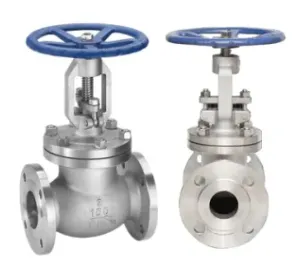
Replacing the seat of a gate valve is a crucial maintenance task that can significantly extend the lifespan and enhance the performance of the valve. As a reputable gate valve supplier, we understand the importance of providing comprehensive guidance on valve maintenance. In this blog, we'll walk you through the step-by-step process of replacing the seat of a gate valve, ensuring that you can carry out this task safely and effectively.

Understanding the Gate Valve Seat
Before diving into the replacement process, it's essential to understand the role of the gate valve seat. The seat is a critical component of the gate valve that provides a sealing surface for the gate. When the valve is closed, the gate presses against the seat to prevent the flow of fluid. Over time, the seat can become worn, damaged, or corroded, leading to leaks and reduced valve performance. Replacing the seat is a cost-effective solution to restore the valve's functionality.

Tools and Materials Required
To replace the seat of a gate valve, you'll need the following tools and materials:

- Wrenches: A set of wrenches, including adjustable wrenches and socket wrenches, will be needed to remove and install the valve components.
- Screwdrivers: Flathead and Phillips screwdrivers may be required to remove any screws or bolts holding the valve cover or other components in place.
- Seat removal tool: A specialized seat removal tool or a suitable alternative, such as a chisel or a hammer, can be used to remove the old seat.
- New seat: Ensure that you have the correct replacement seat for your gate valve. You can find a wide range of high-quality gate valve seats from our product catalog, including Bellows Gate Valve, Bevel Gear Flanged Gate Valve Z541H, and Non stem Flanged Gate Valve Z45H.
- Gasket: A new gasket will be needed to ensure a proper seal between the valve body and the seat.
- Lubricant: A suitable lubricant can be used to facilitate the installation of the new seat and ensure smooth operation of the valve.
- Safety equipment: Wear appropriate safety equipment, such as gloves, safety glasses, and a face shield, to protect yourself from potential hazards during the replacement process.
Step-by-Step Guide to Replacing the Gate Valve Seat
Step 1: Prepare the Work Area
- Shut off the flow: Before starting any work on the gate valve, ensure that the flow of fluid through the valve is completely shut off. This may involve closing upstream and downstream valves or isolating the valve from the system.
- Depressurize the system: Open the valve slightly to relieve any pressure in the system. This will help prevent any sudden release of fluid when the valve components are removed.
- Drain the valve: If there is any remaining fluid in the valve, drain it completely by opening the drain plug or valve located at the bottom of the valve body.
- Clean the work area: Remove any debris, dirt, or corrosion from the valve and the surrounding area to ensure a clean and safe working environment.
Step 2: Remove the Valve Cover
- Locate the valve cover: The valve cover is typically located on the top of the valve body and is secured by bolts or screws.
- Remove the bolts or screws: Use the appropriate wrench or screwdriver to remove the bolts or screws holding the valve cover in place. Keep the bolts or screws in a safe place for reinstallation.
- Lift off the valve cover: Carefully lift off the valve cover and set it aside. Be cautious not to damage the valve stem or any other components.
Step 3: Remove the Gate
- Locate the gate: The gate is the movable component of the valve that slides between the seats to control the flow of fluid.
- Disconnect the gate from the stem: Depending on the design of the valve, the gate may be connected to the stem by a nut, a pin, or a similar mechanism. Use the appropriate tool to disconnect the gate from the stem.
- Remove the gate: Once the gate is disconnected from the stem, carefully lift it out of the valve body and set it aside.
Step 4: Remove the Old Seat
- Locate the seat: The seat is typically located on the inside of the valve body and is held in place by a retaining ring or a similar mechanism.
- Remove the retaining ring: Use a seat removal tool or a suitable alternative to remove the retaining ring holding the seat in place. Be careful not to damage the valve body or the seat during this process.
- Remove the old seat: Once the retaining ring is removed, carefully pry out the old seat using a chisel or a similar tool. Be cautious not to scratch or damage the valve body.
Step 5: Clean the Valve Body
- Inspect the valve body: Before installing the new seat, inspect the valve body for any signs of damage, wear, or corrosion. If necessary, clean the valve body using a wire brush or a suitable cleaning solution to remove any debris or corrosion.
- Measure the valve body: Use a caliper or a similar measuring tool to measure the diameter and depth of the valve body seat recess. This will help ensure that the new seat fits properly.
Step 6: Install the New Seat
- Apply lubricant: Apply a thin layer of lubricant to the new seat to facilitate installation and ensure smooth operation of the valve.
- Insert the new seat: Carefully insert the new seat into the valve body seat recess, ensuring that it is properly aligned. Use a seat installation tool or a suitable alternative to press the seat into place until it is fully seated.
- Install the retaining ring: Once the new seat is installed, install the retaining ring to secure the seat in place. Make sure the retaining ring is properly seated and tightened.
Step 7: Reinstall the Gate
- Connect the gate to the stem: Reconnect the gate to the stem using the appropriate nut, pin, or mechanism. Make sure the gate is properly aligned and securely attached to the stem.
- Lower the gate into the valve body: Carefully lower the gate into the valve body, ensuring that it slides smoothly between the seats.
Step 8: Reinstall the Valve Cover
- Place the valve cover on the valve body: Align the valve cover with the valve body and carefully place it on top.
- Install the bolts or screws: Use the appropriate wrench or screwdriver to reinstall the bolts or screws holding the valve cover in place. Tighten the bolts or screws evenly to ensure a proper seal.
Step 9: Test the Valve
- Open and close the valve: Once the valve cover is reinstalled, open and close the valve several times to ensure that it operates smoothly and that there are no leaks.
- Check for leaks: Inspect the valve and the surrounding area for any signs of leaks. If any leaks are detected, tighten the bolts or screws or replace the gasket as necessary.
- Restore the flow: Once the valve has been tested and is operating properly, restore the flow of fluid through the valve by opening the upstream and downstream valves.
Tips and Precautions
- Follow the manufacturer's instructions: Always refer to the manufacturer's instructions and guidelines when replacing the seat of a gate valve. Different valve models may have specific requirements and procedures that need to be followed.
- Use the correct tools and materials: Using the correct tools and materials is essential to ensure a successful seat replacement. Make sure you have the appropriate tools and the correct replacement seat for your valve.
- Take your time: Replacing the seat of a gate valve can be a time-consuming process, especially if you're doing it for the first time. Take your time and follow each step carefully to avoid making mistakes.
- Seek professional help if needed: If you're unsure about any aspect of the seat replacement process or if you encounter any problems, don't hesitate to seek professional help. A qualified valve technician can provide you with the guidance and assistance you need to complete the job safely and effectively.
Conclusion
Replacing the seat of a gate valve is a complex but essential maintenance task that can help extend the lifespan and improve the performance of the valve. By following the step-by-step guide outlined in this blog and taking the necessary precautions, you can successfully replace the seat of your gate valve and ensure that it continues to operate smoothly and efficiently.
As a leading gate valve supplier, we offer a wide range of high-quality gate valves and valve components, including seats, gaskets, and lubricants. If you have any questions or need assistance with valve maintenance or replacement, please feel free to contact us. We're here to help you find the right solutions for your valve needs and ensure the reliable operation of your systems.

References
- Valve Handbook, 4th Edition, by J. Paul Tullis
- ASME B16.34 - Valves - Flanged, Threaded, and Welding End