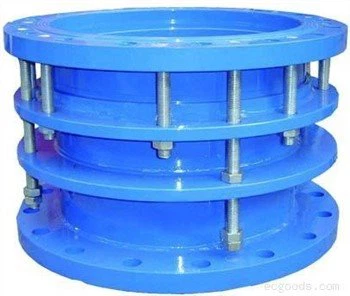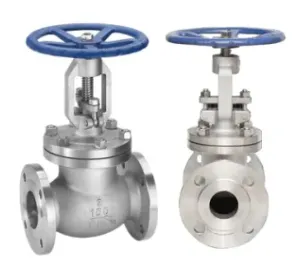
Hey there! As a supplier of Bellows Gate Valves, I've seen my fair share of valve issues, and one of the most common problems is a leaking bellows gate valve. In this blog post, I'm gonna walk you through the steps to repair a leaking bellows gate valve.
Understanding the Bellows Gate Valve
First off, let's quickly understand what a bellows gate valve is. It's a type of valve used to control the flow of liquids or gases in a pipeline. The bellows in the valve act as a seal to prevent leakage around the valve stem. When this bellows gets damaged or worn out, that's when you start to see leaks.
Signs of a Leaking Bellows Gate Valve
Before you jump into the repair process, you need to make sure that the valve is actually leaking. Here are some signs to look out for:
- Visible Leakage: This is the most obvious sign. You'll see liquid or gas seeping out around the valve stem or from the body of the valve.
- Moisture or Condensation: If you notice moisture or condensation around the valve, it could be a sign of a small leak.
- Increased Pressure Drop: A leaking valve can cause an increase in the pressure drop across the valve. If you notice a change in the pressure readings in your system, it could be due to a leaking valve.
Tools and Materials You'll Need
To repair a leaking bellows gate valve, you'll need the following tools and materials:
- Wrenches: You'll need a set of wrenches to remove the valve from the pipeline and to disassemble it.
- Screwdrivers: A set of screwdrivers will be useful for removing any screws or bolts holding the valve together.
- Replacement Bellows: Make sure you have the correct replacement bellows for your valve. You can usually find this information in the valve's manual or by contacting the manufacturer.
- Gasket Sealant: This will help to create a tight seal between the valve components.
- Cleaning Solvent: You'll need a cleaning solvent to clean the valve components before reassembling them.
Step-by-Step Repair Process
Step 1: Shut Off the Flow
The first thing you need to do is shut off the flow of liquid or gas in the pipeline. This will prevent any further leakage and make the repair process safer. Locate the isolation valve upstream of the leaking bellows gate valve and close it.
Step 2: Depressurize the System
After shutting off the flow, you need to depressurize the system. This can be done by opening a downstream valve or a pressure relief valve to allow any remaining pressure to escape. Make sure to follow the proper safety procedures when depressurizing the system.
Step 3: Remove the Valve
Once the system is depressurized, you can remove the leaking bellows gate valve from the pipeline. Use the appropriate wrenches to loosen the nuts or bolts holding the valve in place. Carefully remove the valve from the pipeline and place it on a clean work surface.
Step 4: Disassemble the Valve
Next, you'll need to disassemble the valve to access the bellows. Use the screwdrivers to remove any screws or bolts holding the valve body together. Carefully separate the valve components and lay them out in an organized manner so that you can easily reassemble them later.
Step 5: Inspect the Components
Once the valve is disassembled, inspect the components for any signs of damage or wear. Pay special attention to the bellows, valve seat, and valve stem. If any of the components are damaged, they will need to be replaced.

Step 6: Replace the Bellows
If the bellows is damaged, it's time to replace it. Carefully remove the old bellows from the valve and install the new one. Make sure to follow the manufacturer's instructions when installing the new bellows. Apply a thin layer of gasket sealant to the mating surfaces of the valve components to ensure a tight seal.
Step 7: Reassemble the Valve
After replacing the bellows, it's time to reassemble the valve. Carefully put the valve components back together in the reverse order of disassembly. Make sure to tighten all the screws and bolts to the recommended torque specifications.
Step 8: Install the Valve
Once the valve is reassembled, you can install it back into the pipeline. Use the wrenches to tighten the nuts or bolts holding the valve in place. Make sure the valve is properly aligned and seated in the pipeline.
Step 9: Test the Valve
After installing the valve, it's important to test it to make sure it's working properly. Slowly open the isolation valve upstream of the valve to allow the flow of liquid or gas to resume. Check for any signs of leakage around the valve. If there are no leaks, the repair was successful.

Tips for Preventing Leaks
- Regular Maintenance: Perform regular maintenance on your bellows gate valves to prevent leaks. This includes inspecting the valves for signs of wear and tear, lubricating the valve stem, and replacing any damaged components.
- Proper Installation: Make sure your bellows gate valves are installed correctly. Follow the manufacturer's instructions and use the appropriate tools and materials.
- Use High-Quality Valves: Invest in high-quality bellows gate valves from a reputable supplier. This will reduce the risk of leaks and ensure the long-term performance of your valves.
Related Products
If you're in the market for a new gate valve, we offer a variety of options, including the Rising Stem Gate Valve, the 16bar Dustile Iron Nrs Resilient Seat Wedge Gate Valve, and the F5 Gate Valve. These valves are designed to provide reliable performance and are suitable for a wide range of applications.
Contact Us for Purchasing
If you have any questions about our bellows gate valves or need help with a valve repair, don't hesitate to reach out. We're here to assist you with all your valve needs. Whether you're looking to purchase a new valve or need advice on maintenance and repair, we've got you covered.
References
- Valve Handbook, various editions
- Manufacturer's manuals for bellows gate valves