Hey there! As a pipe fitting supplier, I've had my fair share of experiences dealing with all sorts of piping systems. One area that always gets a lot of questions is steam heating systems. Figuring out the right pipe fittings for these systems can be a bit of a headache, but don't worry - I'm here to break it down for you.
First off, let's talk about why steam heating systems are unique. Steam is a high - energy medium. It moves through pipes at high velocities and temperatures, which means the pipe fittings need to be able to handle the pressure and thermal expansion. If you use the wrong fittings, you could end up with leaks, reduced efficiency, or even system failures.
Flanges
Flanges are one of the most common types of pipe fittings in a steam heating system. They're used to connect pipes, valves, and other components. The great thing about flanges is that they provide a strong, leak - proof connection. You can easily disassemble them for maintenance or repairs, which is super handy in a steam system where you might need to check or replace parts regularly.
There are different types of flanges suitable for steam heating. Weld neck flanges are a popular choice. They have a long tapered hub that's welded to the pipe. This design provides excellent strength and is able to withstand high pressures and temperatures. Slip - on flanges are another option. They're easier to install since they just slide over the pipe and then are welded in place. However, they're not as strong as weld neck flanges and are usually used in lower - pressure steam applications.
Elbows
Elbows are essential for changing the direction of the steam flow in the pipes. In a steam heating system, you'll often need to route the pipes around obstacles or into different rooms. Elbows come in different angles, such as 45 degrees and 90 degrees.
For steam systems, long - radius elbows are usually preferred. They have a larger radius of curvature compared to short - radius elbows. This means that the steam can flow more smoothly through the elbow, reducing pressure drops and minimizing the risk of erosion. Erosion can be a big problem in steam systems because the high - velocity steam can wear away the inside of the pipes and fittings over time.

Tees
Tees are used when you need to split the steam flow into two directions or combine two steam flows into one. Just like with elbows, the design of the tee can affect the steam flow. Reducing tees are useful when you need to connect pipes of different sizes.
In a steam heating system, it's important to choose tees that are made from materials that can withstand the high temperatures and pressures. Stainless steel tees are a good choice because they're corrosion - resistant and have high strength.
Valves
Valves play a crucial role in controlling the flow of steam in a heating system. There are several types of valves that are suitable for steam applications.
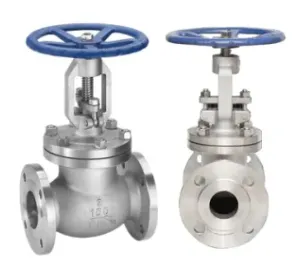
Gate valves are often used to start or stop the flow of steam. They have a gate that moves up and down to open or close the valve. When fully open, gate valves provide a straight - through flow path, which minimizes pressure drops.
Globe valves are better for regulating the flow of steam. They have a disk that moves perpendicular to the flow path. You can adjust the position of the disk to control the amount of steam passing through the valve.
Check valves are important for preventing backflow of steam. They allow steam to flow in one direction only. If the steam tries to flow in the reverse direction, the valve will close automatically.
Expansion Joints
Steam heating systems experience significant thermal expansion and contraction as the steam heats up and cools down. That's where expansion joints come in. They absorb the movement caused by thermal expansion, preventing damage to the pipes and fittings.
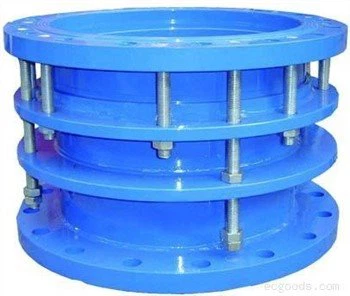
A [Double Flange Expansion Joint](/pipe - fitting/double - flange - expansion - joint.html) is a great option for steam systems. It has flanges on both ends, which makes it easy to install between two pipes. The double - flange design provides a secure connection and allows for a certain amount of movement in multiple directions.
Another type is the [Flange Pipe Expansion Joint](/pipe - fitting/flange - pipe - expansion - joint.html). It's designed to handle axial, lateral, and angular movements. This flexibility is crucial in a steam system where the pipes can expand and contract in different ways.
Couplings
Couplings are used to connect two pipes together. In a steam heating system, you might need to extend the length of the pipes or replace a section of pipe. Threaded couplings are easy to install and can be used for smaller - diameter pipes. Welded couplings provide a stronger connection and are suitable for larger - diameter pipes or high - pressure steam applications.
Materials Matter
When choosing pipe fittings for a steam heating system, the material is just as important as the type of fitting. Steel is a popular choice because it's strong and can handle high temperatures and pressures. Stainless steel is even better as it's corrosion - resistant, which is important in a steam environment where moisture can cause rust.
Copper is another option, especially for smaller - scale steam heating systems. It's easy to work with and has good heat transfer properties. However, copper might not be suitable for high - pressure steam applications.
Selecting the Right Fittings for Your System
Now that you know about the different types of pipe fittings suitable for steam heating systems, how do you choose the right ones for your specific system?
First, you need to consider the pressure and temperature of the steam in your system. High - pressure and high - temperature steam will require stronger and more heat - resistant fittings.
The size of your pipes also matters. Make sure the fittings you choose are the right size to fit your pipes properly. A poorly fitting fitting can lead to leaks and other problems.
The layout of your system is another factor. If you have a complex layout with many bends and branches, you'll need more elbows, tees, and other directional fittings.
Conclusion
In conclusion, selecting the right pipe fittings for a steam heating system is crucial for the system's performance and longevity. Flanges, elbows, tees, valves, expansion joints, and couplings all play important roles in ensuring the smooth and efficient flow of steam.
Remember, when it comes to expansion joints, the [Double Flange Expansion Joint](/pipe - fitting/double - flange - expansion - joint.html) and [Flange Pipe Expansion Joint](/pipe - fitting/flange - pipe - expansion - joint.html) are great options to handle the thermal expansion in your steam system.
If you're in the market for pipe fittings for your steam heating system, don't hesitate to reach out. As a pipe fitting supplier, I've got the expertise and the products to help you get the right fittings for your needs. Whether you're working on a small residential steam heating system or a large industrial one, I can assist you in making the best choices. Let's have a chat and start building a reliable steam heating system together!

References
- ASME Boiler and Pressure Vessel Code
- Handbook of Steam Generation and Use