Hey there! As a supplier of steel round gates, I often get asked about the code requirements for these gates in residential areas. It's crucial to understand these requirements to ensure the safety, functionality, and compliance of the gates we install. In this blog post, I'll break down the key code requirements you need to know when it comes to steel round gates for residential use.
1. Structural Integrity and Strength
First and foremost, steel round gates must meet certain standards for structural integrity and strength. Residential gates are exposed to various environmental conditions, including wind, rain, and even potential impacts. Therefore, the steel used in the gate should have sufficient strength to withstand these forces without deforming or failing.
Typically, the steel should have a minimum yield strength, which is the stress at which the steel begins to deform plastically. For residential steel round gates, a yield strength of around 36,000 to 50,000 psi (pounds per square inch) is commonly required. This ensures that the gate can handle normal use and external forces without breaking.
In addition to yield strength, the gate's overall design and construction also play a vital role in ensuring its structural integrity. The gate should be properly welded or bolted together, and the joints should be strong enough to prevent separation under stress. Reinforcements may be necessary in certain areas, such as the corners or at points where the gate is attached to the posts.
2. Height and Clearance
The height of a steel round gate in a residential area is often regulated to ensure security and privacy. Most local codes require residential gates to be at least 4 to 6 feet tall. This height helps to prevent unauthorized access and provides a certain level of visual barrier.
However, it's important to note that there may be limitations on the maximum height as well. Some neighborhoods or homeowner associations may have restrictions to maintain a consistent aesthetic appeal. Before installing a gate, make sure to check with your local authorities or homeowner association to determine the specific height requirements.
Another aspect to consider is the clearance between the gate and the ground. There should be a minimum clearance of about 2 to 3 inches to prevent the gate from scraping the ground when it opens and closes. This clearance also allows for proper drainage and prevents water from pooling under the gate, which could lead to rust and corrosion over time.
3. Safety Features
Safety is a top priority when it comes to residential gates. Steel round gates should be equipped with certain safety features to prevent accidents and injuries. One of the most important safety features is the presence of a self - closing and self - latching mechanism. This ensures that the gate closes automatically after use and remains securely latched, preventing children or pets from accidentally wandering out.
The gate should also have smooth edges to avoid any sharp points or protrusions that could cause cuts or abrasions. If the gate has openings or gaps, they should be small enough to prevent a child's head from getting stuck. A general rule of thumb is that the openings should be less than 4 inches wide.
In addition, if the gate is automated, it must comply with specific safety standards. Automated gates should have sensors that detect obstacles in the path of the gate and stop or reverse the gate's movement to prevent collisions. These sensors can be infrared sensors, pressure sensors, or other types of detection systems.
4. Finish and Corrosion Resistance
Residential steel round gates are exposed to the elements, so they need to have a proper finish to resist corrosion. A common finish for steel gates is powder coating. Powder coating provides a durable, protective layer that not only looks good but also helps to prevent rust and oxidation.
The powder coating process involves applying a dry powder to the steel surface, which is then cured under heat to form a hard, smooth finish. This finish is resistant to scratches, chips, and fading, making it ideal for outdoor use.
Another option for corrosion protection is galvanizing. Galvanized steel has a layer of zinc coating that acts as a sacrificial anode, protecting the underlying steel from rust. Galvanized steel gates are highly resistant to corrosion, especially in areas with high humidity or near the coast.

5. Accessibility Requirements
In some cases, accessibility requirements may apply to residential steel round gates. If the property is subject to the Americans with Disabilities Act (ADA) or similar local accessibility laws, the gate should be designed to be accessible.
This may include having a low - force operation for manual gates, so that they can be easily opened and closed by people with limited strength. Automated gates should also be operable with minimal effort, such as through a touch - pad or a remote control with large buttons. Additionally, there should be clear pathways leading to and from the gate to accommodate wheelchair users or people with mobility aids.
How Our Steel Round Gates Comply
As a supplier of steel round gates, we take all these code requirements seriously. Our gates are made from high - quality steel with the appropriate yield strength to ensure long - lasting performance. We use professional welding techniques to guarantee strong joints and structural integrity.
In terms of height and clearance, our gates can be customized to meet your local requirements. We offer a range of standard heights, but we can also fabricate gates to any specific height you need. And we always ensure that the proper clearance is maintained to prevent ground contact and drainage issues.
Our gates come with all the necessary safety features. We install self - closing and self - latching mechanisms, and the edges are smoothed to prevent injuries. For automated gates, we use state - of - the - art sensors to ensure safe operation.
When it comes to the finish, we offer both powder coating and galvanizing options. You can choose the finish that best suits your aesthetic preferences and environmental conditions. And of course, we can design our gates to be accessible if needed.
Other Related Gate Products
If you're also interested in other types of gates, we have a wide range of options. For instance, we offerSteel Square Gate. These square gates provide a different look and may be more suitable for certain architectural styles.
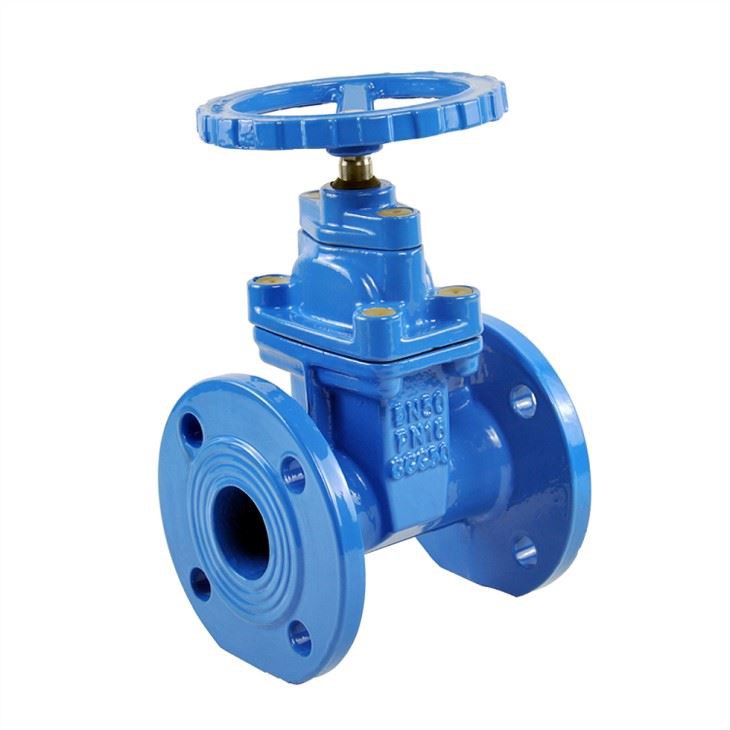
We also haveResilient Seated Gate Valve, which is known for its excellent sealing performance and durability. And for those who prefer a more space - saving option, ourNon - rising Stem Gate Valve is a great choice.
Looking to Purchase?
If you're in the market for a steel round gate for your residential area, don't hesitate to reach out. We're here to help you understand the code requirements, choose the right gate for your needs, and ensure a smooth installation process. Whether you have questions about the design, the materials, or the compliance of the gate, we're just a message away. Let's start a conversation and find the perfect steel round gate for your home!
References
- International Residential Code (IRC)
- Local building codes and regulations
- American Society of Civil Engineers (ASCE) standards for structural design