What's up, folks! I'm a supplier of Rising Stem Gate Valves, and today I wanna have a chat with you about one of the most frequently asked questions: What is the maximum flow rate that a Rising Stem Gate Valve can handle?
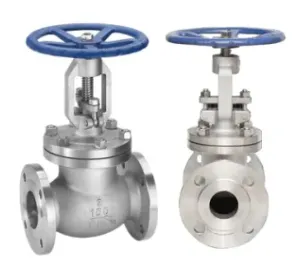
First off, let's understand what a Rising Stem Gate Valve is. These valves are pretty common in a bunch of industries. The rising stem design makes it easy to tell whether the valve is open or closed just by looking at the position of the stem. When the valve is opened, the stem rises up, and when it's closed, the stem goes back down. It's a simple yet effective way to operate and monitor the valve's status.
Now, getting to the main point - the maximum flow rate. The maximum flow rate that a Rising Stem Gate Valve can handle isn't a one - size - fits - all answer. It depends on several factors.
Valve Size
One of the most obvious factors is the size of the valve. Just like a bigger pipe can carry more water, a larger Rising Stem Gate Valve can handle a higher flow rate. For instance, a 2 - inch valve will have a much lower maximum flow rate compared to a 12 - inch valve. Smaller valves are often used in residential or small - scale commercial applications where the flow requirements are relatively low. On the other hand, large - sized valves are commonly found in industrial settings like water treatment plants, oil refineries, and power generation facilities where high - volume flow is needed. If you're interested in a specific size of Rising Stem Gate Valve, you can check out our Rising Stem Flanged Gate Valve Z41H.
Valve Design and Construction
The internal design of the valve also plays a crucial role. Some valves are designed with a smooth internal surface, which reduces friction and allows for a higher flow rate. The shape of the gate and the passageway inside the valve can affect how fluid moves through it. For example, a valve with a full - port design, where the opening in the valve is the same size as the pipe, will generally have a higher maximum flow rate than a reduced - port valve. Our engineers have spent a lot of time optimizing the design of our Rising Stem Gate Valves to ensure efficient flow.
Fluid Properties
The type of fluid flowing through the valve matters a great deal. Different fluids have different viscosities. Viscosity is basically a measure of how thick and sticky a fluid is. For example, water has a relatively low viscosity, so it can flow through a valve more easily compared to a thick oil. A valve that can handle a certain flow rate of water may not be able to handle the same flow rate of a highly viscous fluid. So, when determining the maximum flow rate for a particular application, you have to take into account the properties of the fluid. If you're dealing with unusual fluids, we can help you choose the right valve that can handle them. We also offer Resilient Seated Gate Valve which are suitable for a wide range of fluids.
Pressure and Temperature
The pressure and temperature of the system where the valve is installed are significant factors too. High pressures can force the fluid through the valve at a faster rate, but the valve must be able to withstand that pressure. Similarly, extreme temperatures can affect the material properties of the valve, which in turn can impact its performance. If the temperature is too high, the valve material may expand and cause issues with the sealing or the movement of the stem. Our Rising Stem Gate Valves are made from high - quality materials that can handle a wide range of pressures and temperatures, but you still need to consider these factors when calculating the maximum flow rate.
Calculating the Maximum Flow Rate
Calculating the maximum flow rate is a complex process. There are some standard formulas and equations that engineers use, but they often need to take into account all the factors I've mentioned above. For simple applications, you can use some basic guidelines. For example, a rough estimate for water flow through a gate valve can be based on the valve size. But for more accurate calculations, you're better off consulting with a professional. We have a team of experts who can help you with these calculations and determine the right valve for your specific needs.
Comparing with Other Valve Types
Compared to some other valve types like ball valves or butterfly valves, Rising Stem Gate Valves have their own advantages when it comes to flow rate. Ball valves are great for on - off control and can handle high pressures, but they may not offer as high a flow rate as a full - port Rising Stem Gate Valve in larger sizes. Butterfly valves are often used for low - pressure applications and can have a relatively high flow coefficient, but Rising Stem Gate Valves can be better in systems where tight shut - off is required.
Real - World Applications
In the real world, you can see Rising Stem Gate Valves in all sorts of places. In water supply systems, they're used to control the flow of water from the source to different distribution points. A large water treatment plant might use several large - sized Rising Stem Gate Valves to manage the high - volume flow of water during different treatment processes. In the oil and gas industry, these valves are used in pipelines to control the flow of crude oil or natural gas. Our Rubber Seat Gate Valve is a popular choice in some of these applications due to its good sealing performance.
Conclusion
So, to sum it all up, the maximum flow rate that a Rising Stem Gate Valve can handle depends on valve size, design, fluid properties, pressure, and temperature. It's not a straightforward number, but with the right information and calculations, you can figure out the best valve for your specific flow requirements.
If you're in the market for a Rising Stem Gate Valve and want to know more about the maximum flow rate for your application, or just need some advice on choosing the right valve, don't hesitate to reach out. We're here to help you with all your valve - related questions and needs. Whether it's a small - scale project or a large industrial application, we've got the expertise and the right valves for you. Let's start chatting about your project and find the perfect Rising Stem Gate Valve solution!


References
- "Valve Handbook" by Christos G. Georgakis
- "Fluid Mechanics for Engineers" by Jack B. Johnson
- Industry research reports on valve technology and applications