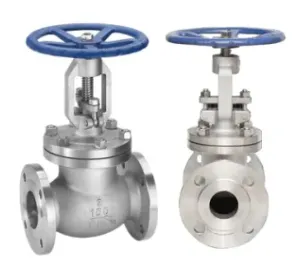
As a provider of flat gate valves, I understand the pivotal role these valves play in many industrial operations. A well - maintained flat gate valve ensures efficient fluid control, and one of the crucial maintenance tasks is replacing the packing. In this blog, I'll walk you through a step - by - step guide on how to replace the packing in a flat gate valve.
Understanding the Importance of Packing in Flat Gate Valves
The packing in a flat gate valve serves a critical function. It acts as a seal around the valve stem, preventing the leakage of the fluid being controlled. Over time, due to factors such as pressure, temperature, and the nature of the fluid, the packing can wear out. When the packing fails, it can lead to leaks, which not only waste precious resources but can also pose safety hazards. Therefore, regular inspection and timely replacement of the packing are essential.
Pre - replacement Preparations
Before you start the process of replacing the packing, it's important to take several preparatory steps. First and foremost, ensure the valve is in the closed position. This will prevent the flow of the fluid during the replacement process. Check the valve manual or documentation for any specific instructions regarding packing replacement. Since different flat gate valves may have slightly different designs, these instructions can be invaluable.
Gather all the necessary tools. You'll typically need a wrench, a screwdriver, a packing removal tool, and replacement packing material. The type of packing material is crucial. It should be compatible with the fluid, pressure, and temperature conditions of the valve's operation. For instance, if the valve is used in a high - temperature environment, you'll need packing material that can withstand such conditions.
Step - by - Step Packing Replacement Process
Step 1: Isolate the Valve
Completely isolate the valve from the system. This means shutting off any upstream and downstream valves and depressurizing the valve chamber. Make sure all the fluid is drained from the valve to prevent any potential spills during the packing replacement.
Step 2: Remove the Packing Gland Nut
Locate the packing gland nut, which is usually on the top of the valve stem. Use the appropriate wrench to carefully loosen and remove the packing gland nut. In some cases, there may be a packing gland flange instead of a nut. If that's the case, use a screwdriver to remove the bolts securing the flange.
Step 3: Take Out the Packing Gland
Once the nut or flange is removed, gently pull out the packing gland. This is the component that compresses the packing against the valve stem. Place it in a safe place to avoid any damage.


Step 4: Remove the Old Packing
Use the packing removal tool to extract the old packing. Start from the top and carefully work your way down into the packing chamber. Remove all traces of the old packing. Make sure the packing chamber is clean and free from any debris or remnants of the old packing. You can use a clean cloth or a brush to clean the chamber thoroughly.
Step 5: Measure and Cut the New Packing
Take the new packing material and measure it according to the size of the packing chamber. Cut the packing material into appropriate lengths. It's important that the packing sections fit snugly in the chamber. If the packing is too loose, it won't form an effective seal; if it's too tight, it can cause excessive friction on the valve stem.
Step 6: Install the New Packing
Start inserting the new packing sections into the packing chamber one by one. Make sure each section is placed evenly and neatly. As you stack the packing sections, ensure there are no gaps or overlaps. Each section should be seated properly in the chamber.
Step 7: Re - insert the Packing Gland
Carefully place the packing gland back into position. Make sure it aligns correctly with the valve stem and the packing chamber. If it's a packing gland flange, re - attach the bolts and tighten them slightly.
Step 8: Tighten the Packing Gland Nut
Put the packing gland nut back on and use the wrench to tighten it. However, be careful not to over - tighten. Over - tightening can cause excessive stress on the packing and the valve stem, leading to premature wear. A good rule of thumb is to tighten the nut until there is a slight resistance and then give it a quarter - turn more.
Step 9: Test the Valve
Once the packing has been replaced and the gland nut tightened, it's time to test the valve. Slowly open the upstream valve to allow some fluid into the valve chamber. Check for any signs of leakage around the valve stem. If you notice any leaks, you may need to slightly tighten the packing gland nut again.
Troubleshooting Tips
Even if you follow all the steps correctly, you may encounter some issues during or after the packing replacement. If you find that the valve stem is difficult to turn after the packing replacement, it could be due to over - tightening of the packing gland nut. In this case, loosen the nut slightly and see if the stem moves more freely.
If there are still leaks even after tightening the nut, the packing may not be installed correctly or may be the wrong type for the application. Remove the packing and re - evaluate the installation process or consider using a different type of packing material.
Recommended Products
As a flat gate valve supplier, I'd like to introduce some of our high - quality valve products. You can explore our ANSI Gate Valve ANSI, which is designed to meet strict ANSI standards for reliable performance. Our Cast Iron F4 Resilient Seated Gate Valve offers excellent sealing capabilities with its resilient seat. And for those in need of a durable option, the Cast Iron Brass Sealed Rising Stem Gate Valves are a great choice.
Conclusion
Replacing the packing in a flat gate valve is a relatively straightforward process if you follow the proper steps. Regular maintenance, including packing replacement, can significantly extend the lifespan of your valve and ensure optimal performance. If you have any queries regarding packing replacement or if you're interested in purchasing high - quality flat gate valves and related products, feel free to reach out to us. We're here to assist you with all your valve - related needs and look forward to discussing potential procurement opportunities.
References
- Valve Maintenance Handbook
- Manufacturer's Manuals for Flat Gate Valves