As a pipe fitting supplier, I've seen firsthand the importance of getting pipe fitting installations right. There are a bunch of code requirements that you've got to follow, and in this blog, I'll break them down for you.
1. Safety Codes
First off, safety is a huge deal. Most areas have safety codes that are there to protect people and property. One of the key aspects is the pressure rating of the pipe fittings. You can't just use any old fitting you find lying around. The pressure rating of the fitting has to match or exceed the maximum pressure that the pipe system is going to encounter.
For instance, if you're working on a high - pressure steam line, the fittings need to be rated for the high temperatures and pressures associated with steam. If you use a fitting with a too - low pressure rating, it could burst, causing a really dangerous situation. It might lead to scalding from hot steam, or even explosive decompression in extreme cases.
Another safety code consideration is the material compatibility. Different fluids can react with different materials. For example, if you're dealing with a corrosive chemical, you need to use pipe fittings made from materials that are resistant to that chemical. If you don't, the fittings can corrode over time, which can lead to leaks. And leaks of corrosive chemicals are not only dangerous for the people around but can also damage the surrounding infrastructure.
2. Installation Codes
Let's talk about how the fittings are installed. There are codes for that too. One common requirement is proper support. Pipe fittings need to be properly supported to prevent sagging or excessive movement. If a fitting isn't supported well, it can put stress on the joints, which can lead to leaks or even breakage.


For example, horizontal pipes should be supported at regular intervals, and the support should be able to handle the weight of the pipe, the fluid it contains, and any additional loads. The distance between supports is often based on the diameter and material of the pipe. Larger diameter pipes usually need more frequent support.
Proper alignment is also crucial. When connecting pipe fittings, they need to be aligned correctly. Misaligned fittings can cause uneven stress distribution, which can lead to premature failure of the joint. You've got to use tools like pipe alignment clamps to make sure everything is in line before making the final connection.
3. Codes for Specific Pipe Fitting Types
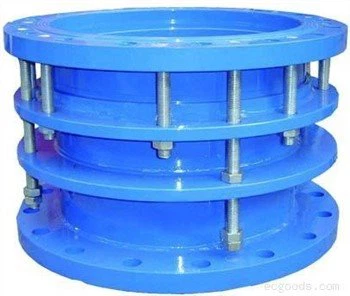
Double Flange Expansion Joint
Some pipe fitting types have their own specific code requirements. Take the Double Flange Expansion Joint. These joints are used to absorb movement in a pipe system due to thermal expansion, vibration, or seismic activity.
Codes require that double flange expansion joints be installed with the correct amount of pre - compression or pre - stretch. This is important because if they're not installed correctly, they might not be able to function as intended. For example, if a double flange expansion joint is pre - compressed too much, it might not be able to expand when the pipe system heats up, which can lead to excessive stress on the pipes and other fittings.
The flanges on these joints also have to be installed properly. They need to be tightened evenly to ensure a good seal. If the flanges aren't tightened evenly, it can cause leaks at the joint. And you've also got to make sure that the gaskets used between the flanges are the right type and size for the application.
Flange Pipe Expansion Joint
Similarly, Flange Pipe Expansion Joint has its set of code requirements. These joints are designed to allow for movement in the pipe while maintaining a seal.
Codes often specify the maximum allowable movement that these joints can handle. You need to calculate the expected movement in the pipe system due to thermal changes, etc., and then select a flange pipe expansion joint that can accommodate that movement. It's also important to install these joints in a way that allows for easy inspection and maintenance. For example, there should be enough clearance around the joint so that you can access it if you need to check for leaks or replace a gasket.
4. Documentation and Certification
When it comes to pipe fitting installations, documentation is key. You need to keep records of the installation, including the type of fittings used, their specifications, and the installation date. This documentation is not only useful for maintenance and future reference but is often required by the authorities.
Most pipe fittings also need to be certified. Certification means that the manufacturer has tested the fitting and verified that it meets the relevant standards. As a supplier, I make sure that all the pipe fittings I provide have the necessary certifications. This gives my customers peace of mind knowing that they're using fittings that are up to code.
In addition, during the installation process, you might need to have inspections by a qualified inspector. These inspections are done to make sure that the installation complies with all the codes and regulations. If the installation fails the inspection, you've got to make the necessary corrections before you can proceed.
5. Environmental Codes
Don't forget about the environment. There are codes in place to make sure that pipe fitting installations don't have a negative impact on the environment. For example, if you're installing pipes that carry hazardous materials, there are requirements for containment in case of a leak.
You might need to install secondary containment systems, such as drain pans or trenches, to capture any leaked materials. And you've also got to make sure that any waste materials generated during the installation process, like packaging materials or leftover pipe scraps, are disposed of properly.
Let's Connect
If you're in the market for high - quality pipe fittings that meet all the code requirements, I'm here to help. Whether you're working on a small plumbing project or a large industrial installation, I've got a wide range of pipe fittings to choose from.
I understand the importance of getting the right fittings for the job, and I can provide you with expert advice on which fittings are best suited for your specific needs. So, don't hesitate to reach out for a chat about your pipe fitting requirements. Let's work together to make sure your pipe installation is safe, compliant, and long - lasting.
References
- National Fire Protection Association (NFPA) codes
- American Society of Mechanical Engineers (ASME) standards
- International Building Code (IBC)
- Local plumbing and mechanical codes