Hey there! As a supplier of ANSI Gate Valves, I often get asked about the noise levels during their operation. In this blog, I'm gonna break down what you need to know about the noise generated when these valves are in action.
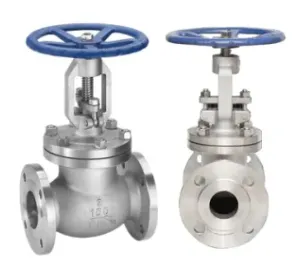
First off, let's understand what ANSI Gate Valves are. ANSI (American National Standards Institute) sets the standards for these valves, which are widely used in various industries like oil and gas, water treatment, and power generation. They're designed to control the flow of fluids by raising or lowering a gate inside the valve body.
Now, when it comes to noise, there are several factors that can affect how loud an ANSI Gate Valve gets during operation. One of the main factors is the flow rate of the fluid passing through the valve. When the flow rate is high, the fluid can create a lot of turbulence as it moves past the gate, which in turn generates noise. Think of it like a river flowing fast through a narrow channel - the water gets all choppy and noisy.
Another factor is the pressure of the fluid. High-pressure fluids can cause more noise because they exert more force on the valve components. If the pressure is too high, it can make the gate vibrate, and that vibration can lead to a rattling or humming sound. It's like when you blow air really hard through a small hole - you get a whistling noise.
The design of the valve also plays a big role in noise generation. For example, a poorly designed valve might have rough surfaces inside the valve body, which can cause the fluid to flow unevenly and create noise. On the other hand, a well-designed valve with smooth surfaces and proper contours can help reduce the noise levels.
Let's take a look at some specific types of ANSI Gate Valves and how their noise levels might vary.
The F5 Gate Valve is a popular choice in many industries. It's known for its durability and reliable performance. In terms of noise, its design is optimized to minimize turbulence and vibration. The smooth internal surfaces and precise engineering help to keep the noise levels relatively low, even at high flow rates and pressures.


The Manual Rising Stem Knife Gate Valves are often used in applications where a tight shut-off is required. These valves have a sharp-edged gate that cuts through the fluid, which can sometimes create a bit more noise compared to other types of gate valves. However, modern designs have been improved to reduce this noise. For instance, the use of special materials and coatings on the gate and valve body can help dampen the vibrations and minimize the noise.
The Non Rising Stem Groove Resilient Gate Valve is another option. This valve is designed with a resilient gate that can conform to the valve seat, providing a good seal. The non-rising stem design makes it suitable for applications where space is limited. In terms of noise, the resilient gate helps to absorb some of the vibrations and reduce the noise levels. However, if the valve is not installed correctly or if the fluid has a high amount of debris, it can still generate some noise.
So, how can you measure the noise levels of ANSI Gate Valves? Well, there are several methods. One common way is to use a sound level meter. You place the meter near the valve during operation and it measures the sound pressure level in decibels (dB). The acceptable noise levels can vary depending on the industry and the specific application. In general, for most industrial applications, a noise level of around 85 dB or less is considered acceptable. If the noise level exceeds this, it can be a sign of a problem with the valve or the system.
If you're dealing with high noise levels from your ANSI Gate Valves, there are a few things you can do to reduce it. First, make sure the valve is installed correctly. A misaligned valve can cause uneven flow and increased noise. You can also check the fluid conditions. If the fluid has a lot of debris or is too viscous, it can create more noise. Consider using a filter or a fluid treatment system to improve the fluid quality.
Another option is to use noise-reducing accessories. For example, you can install a silencer or a vibration isolator near the valve. These devices can help absorb the vibrations and reduce the noise levels.
As a supplier of ANSI Gate Valves, I understand the importance of providing high-quality products that meet your needs. If you're looking for a valve with low noise levels, I can help you choose the right one for your application. Whether you need a valve for a small water treatment plant or a large oil refinery, I've got you covered.
If you're interested in learning more about our ANSI Gate Valves or if you have any questions about noise levels or other aspects of valve operation, don't hesitate to reach out. We can have a chat about your specific requirements and find the best solution for you.
In conclusion, the noise levels during the operation of ANSI Gate Valves can be affected by several factors, including flow rate, pressure, and valve design. By understanding these factors and taking the right measures, you can ensure that your valves operate quietly and efficiently. So, if you're in the market for ANSI Gate Valves, give me a shout, and let's work together to find the perfect valves for your project.
References
- Industrial Valve Handbook: A Guide to Valve Technology and Applications
- Standards and Guidelines for Noise Control in Industrial Settings