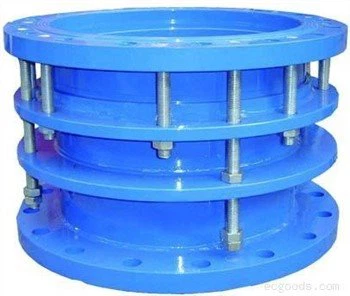
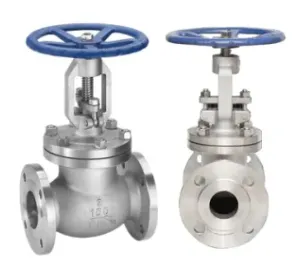
Hey there! As a supplier of dismantling joints, I've seen my fair share of issues that pop up when it comes to taking these things apart. In this blog, I'm gonna walk you through some of the common problems you might face during the dismantling process and how you can deal with 'em.
First off, let's talk about corrosion. It's one of the biggest headaches when it comes to dismantling joints. Over time, moisture, chemicals, and other environmental factors can cause the metal parts of the joint to corrode. This corrosion can make the bolts and nuts really hard to turn, and in some cases, they might even seize up completely. When that happens, you're in for a tough time trying to get the joint apart.
I remember one job where a customer had a double flange expansion joint Double Flange Expansion Joint that had been installed in a coastal area. The saltwater in the air had caused a lot of corrosion on the bolts. We had to use a lot of penetrating oil and a good - quality impact wrench to finally get the bolts loose. It took us way longer than we expected, and it just goes to show how much of a problem corrosion can be.
Another common problem is misalignment. Sometimes, during the installation of the joint, it might not be lined up correctly. This can put extra stress on the bolts and other components. When you try to dismantle the joint, you'll notice that the bolts are under a lot of tension, and they might be really difficult to remove. Misalignment can also cause damage to the sealing surfaces of the joint. If the surfaces aren't properly aligned, the gasket might not seal correctly, leading to leaks.
A flange pipe expansion joint Flange Pipe Expansion Joint is particularly susceptible to misalignment issues. These joints are designed to allow for some movement in the pipes, but if they're installed incorrectly, that movement can cause even more problems. I've seen cases where the misalignment was so bad that the joint had to be replaced because it was beyond repair.
Next up is the issue of over - tightening. When the bolts on a dismantling joint are tightened too much, it can cause a whole host of problems. Over - tightening can damage the threads on the bolts, making them difficult to remove. It can also put too much stress on the joint itself, leading to cracks or other forms of damage.
I once worked on a project where the contractor had used an air wrench to tighten the bolts on a dismantling joint. They didn't have a torque wrench to measure the correct amount of force, so they just tightened the bolts as much as they could. When we came to dismantle the joint later, we found that several of the bolts had stripped threads, and we had to drill them out. It was a real pain in the neck, and it could have been easily avoided if they had used the right tools and followed the proper procedures.
Wear and tear is also a major factor. Dismantling joints are constantly exposed to the movement of the pipes, pressure changes, and other forces. Over time, this can cause the components of the joint to wear out. The gaskets might lose their elasticity, the bolts might become weak, and the sealing surfaces might get scratched or damaged.
For example, in a high - pressure pipeline, the constant expansion and contraction of the pipes can take a toll on the dismantling joint. The gaskets might not be able to maintain a proper seal, leading to leaks. And if the bolts are worn out, they might not be able to hold the joint together securely.
Now, let's talk about how to deal with these problems. When it comes to corrosion, prevention is key. You can use anti - corrosion coatings on the bolts and other metal parts of the joint during installation. If you're already dealing with corroded bolts, using a penetrating oil can help loosen them up. You can also use heat, but be careful not to overheat the joint as it can cause damage.
To avoid misalignment, make sure to follow the installation instructions carefully. Use alignment tools to ensure that the joint is properly lined up before tightening the bolts. And always check the alignment periodically during the life of the joint.


For over - tightening, use a torque wrench to ensure that you're applying the correct amount of force to the bolts. Follow the manufacturer's recommendations for torque values. And if you're using power tools, make sure to set them to the correct torque setting.
To deal with wear and tear, regular maintenance is essential. Inspect the joint periodically for signs of damage or wear. Replace any worn - out components, such as gaskets and bolts, as soon as possible.
In conclusion, while dismantling joints are an important part of many piping systems, they can come with their fair share of problems. But by being aware of these common issues and taking the necessary precautions, you can ensure that the dismantling process goes smoothly.
If you're in the market for high - quality dismantling joints or need advice on how to deal with any of these problems, don't hesitate to reach out. We're here to help you find the right solutions for your piping needs. Whether you're a contractor, an engineer, or just someone looking to fix a problem with your pipes, we've got the expertise and the products to get the job done right. Contact us today to start a conversation about your requirements and let's work together to find the best solutions for your project.
References
- Various industry manuals on pipe fitting installation and maintenance
- Personal experience as a dismantling joint supplier over the years