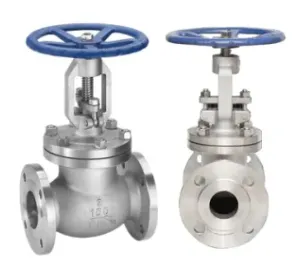
Hey there! I'm a supplier of flat gate valves, and today I wanna talk about how to adjust the wedge in a flat gate valve. It's a crucial part of maintaining these valves, so let's dive right in.
Understanding the Flat Gate Valve Wedge
First off, let's get to know what the wedge in a flat gate valve is all about. The wedge is like the heart of the valve. It's the part that moves up and down to control the flow of fluid through the valve. When the valve is open, the wedge is lifted up, allowing the fluid to pass freely. When it's closed, the wedge comes down and seals against the valve seats, stopping the flow.
There are different types of wedges used in flat gate valves. Some are solid, while others are split. Solid wedges are simpler and are often used in applications where the fluid is clean and there's not much risk of debris getting stuck. Split wedges, on the other hand, can adjust better to any misalignment between the valve seats, which is great for applications where the valve might experience some movement or where the seats aren't perfectly parallel.
Why Adjusting the Wedge is Important
Now, you might be wondering why you need to adjust the wedge in the first place. Well, over time, the valve seats can wear out, or the valve might get a bit out of alignment due to vibrations or changes in the pipeline. If the wedge isn't adjusted properly, it won't seal correctly against the seats. This can lead to leaks, which are not only a waste of the fluid being transported but can also be a safety hazard, especially if the fluid is something like gas or a hazardous chemical.
Also, an improperly adjusted wedge can cause the valve to operate less efficiently. It might take more force to open or close the valve, which can put extra stress on the valve stem and other components, leading to premature wear and tear.
Steps to Adjust the Wedge in a Flat Gate Valve
Step 1: Preparation
Before you start adjusting the wedge, you need to make sure the valve is completely shut off and that the pressure in the pipeline has been relieved. You don't want any fluid flowing through the valve while you're working on it, as it can be dangerous and can also make it harder to make accurate adjustments.
Gather all the tools you'll need, like wrenches, gauges, and any special tools recommended by the valve manufacturer. It's also a good idea to have a copy of the valve's manual handy, as it can provide specific instructions for your particular valve model.
Step 2: Inspect the Valve
Take a good look at the valve to see if there are any obvious signs of damage or wear. Check the valve seats for scratches, pits, or other signs of wear. If the seats are badly damaged, they might need to be repaired or replaced before you can adjust the wedge properly.
Inspect the wedge itself as well. Look for any signs of cracks, deformation, or excessive wear. If the wedge is damaged, it might need to be replaced.
Step 3: Loosen the Adjusting Nuts
Most flat gate valves have adjusting nuts that allow you to change the position of the wedge relative to the valve seats. Use the appropriate wrench to loosen these nuts. Be careful not to over - loosen them, as you don't want the wedge to move around too much while you're making the adjustments.
Step 4: Measure the Clearance
Use a feeler gauge to measure the clearance between the wedge and the valve seats. The manufacturer's specifications will tell you what the ideal clearance should be. If the clearance is too large, the valve might not seal properly. If it's too small, the wedge might get stuck or cause excessive wear on the seats.
Step 5: Make the Adjustments
Based on the measurements you took, adjust the position of the wedge by turning the adjusting nuts. If the clearance is too large, tighten the nuts slightly to move the wedge closer to the seats. If it's too small, loosen the nuts a bit to increase the clearance.
Make small adjustments at a time and re - measure the clearance after each adjustment. This way, you can make sure you're getting the clearance just right.
Step 6: Check the Sealing
Once you think you've adjusted the wedge correctly, try closing the valve and then applying a small amount of pressure to the upstream side of the valve. Check for any signs of leakage around the valve seats. If there are still leaks, you might need to make further adjustments.
Step 7: Tighten the Adjusting Nuts
Once you're satisfied with the sealing and the clearance, use the wrench to tighten the adjusting nuts securely. Make sure they're tightened evenly to prevent any misalignment.
Common Problems and Solutions
Sometimes, you might run into some problems when adjusting the wedge. Here are a few common issues and how to solve them:
Problem 1: The Wedge Won't Move
If the wedge won't move when you try to adjust it, it could be because it's stuck due to corrosion or debris. Try using a lubricant to free up the wedge. If that doesn't work, you might need to disassemble the valve and clean the wedge and the valve seats.
Problem 2: Leakage Persists
If you've adjusted the wedge but there's still leakage, the valve seats might be too damaged to seal properly. In this case, you might need to have the seats resurfaced or replaced.
Problem 3: Excessive Force Required to Operate the Valve
If it takes a lot of force to open or close the valve after adjusting the wedge, it could be because the clearance is too small. Loosen the adjusting nuts slightly to increase the clearance and see if that helps.
Our Flat Gate Valve Products
As a flat gate valve supplier, we offer a wide range of high - quality valves to meet different needs. For example, we have the Bevel Gear Flanged Gate Valve Z541H. This valve is designed with a bevel gear mechanism, which makes it easier to operate, especially for larger valves. It's suitable for various industrial applications where reliable flow control is required.
We also have the Cast Iron F4 Resilient Seated Gate Valve. The resilient seat provides a better seal, reducing the risk of leakage. It's a great choice for water supply systems and other applications where a tight seal is important.
And if you're looking for a valve that meets ANSI standards, our ANSI Gate Valve ANSI is the way to go. It's designed to meet the strict requirements of the ANSI standards, ensuring high - quality performance and reliability.


Conclusion
Adjusting the wedge in a flat gate valve is an important maintenance task that can help ensure the valve operates efficiently and safely. By following the steps I've outlined above and being aware of the common problems and solutions, you can keep your flat gate valves in top condition.
If you're in the market for flat gate valves or need more information about valve maintenance, don't hesitate to reach out to us. We're here to help you find the right valves for your needs and provide you with the support you need to keep them working properly.
References
- Valve Manufacturer's Manuals
- Industry Standards for Valve Maintenance and Operation