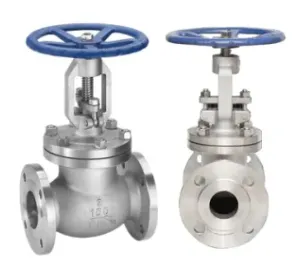
In the food industry, ensuring the highest level of hygiene is of utmost importance. Every piece of equipment used in food processing, storage, and distribution must meet strict hygienic standards to prevent contamination and ensure the safety of the final product. Globe valves, a common type of valve used in various industrial applications, also have specific hygienic requirements when it comes to the food industry. As a globe valve supplier, I understand the significance of these requirements and am committed to providing products that meet and exceed industry standards.
Material Selection
The choice of materials for globe valves in the food industry is crucial. The materials must be non - toxic, corrosion - resistant, and easy to clean. Stainless steel is the most commonly used material for food - grade globe valves. It offers excellent corrosion resistance, which is essential as food products often contain acids, salts, and other corrosive substances. For example, 316L stainless steel is a popular choice due to its high molybdenum content, which enhances its resistance to pitting and crevice corrosion in harsh environments.
Another important aspect of material selection is the finish of the valve surface. A smooth surface finish minimizes the risk of bacteria and other microorganisms adhering to the valve. The surface finish should typically be at least Ra 0.8 µm or better. This smooth finish not only makes it easier to clean the valve but also reduces the chances of product residues remaining on the valve surface after cleaning.
Design Considerations
The design of globe valves in the food industry should be optimized for hygiene. One key design feature is the elimination of dead spaces. Dead spaces are areas in the valve where fluid can accumulate and stagnate, providing a breeding ground for bacteria. A well - designed globe valve should have a streamlined internal flow path that allows for complete drainage of the fluid. This can be achieved through careful design of the valve body, seat, and plug.


The valve stem also requires special attention. It should be designed to prevent the ingress of contaminants from the outside environment. A bellows seal can be used to isolate the stem from the process fluid, preventing leakage and contamination. Our Bellows Globe Valve is a prime example of a valve with an effective stem sealing mechanism that meets the hygienic requirements of the food industry.
Cleaning and Sanitization
Regular cleaning and sanitization are essential for maintaining the hygiene of globe valves in the food industry. The valves should be designed to be easily disassembled for cleaning. Quick - release connections and accessible parts make the disassembly and reassembly process more efficient.
There are several cleaning methods available, including manual cleaning, clean - in - place (CIP), and steam - in - place (SIP). Manual cleaning is suitable for small - scale operations or when the valve needs a more thorough cleaning. CIP is a widely used method in the food industry, where cleaning solutions are circulated through the valve system without the need for disassembly. SIP involves using steam to sterilize the valve, which is effective in killing bacteria and other microorganisms.
Sealing Performance
The sealing performance of globe valves is critical in preventing product leakage and contamination. The valve seats and gaskets must provide a tight seal to prevent the escape of food products and the ingress of external contaminants. The gaskets should be made of food - grade materials such as EPDM (ethylene propylene diene monomer) or PTFE (polytetrafluoroethylene). These materials are non - toxic, resistant to food products, and can withstand the cleaning and sanitization processes.
Compliance with Standards
Globe valves in the food industry must comply with various national and international standards. In the United States, the Food and Drug Administration (FDA) has strict regulations regarding the materials and design of equipment used in the food industry. The valves must be made of materials that are approved for food contact.
In Europe, the European Hygienic Engineering and Design Group (EHEDG) sets standards for hygienic equipment design. Valves that meet EHEDG standards are designed to be easy to clean, free of dead spaces, and resistant to corrosion. Our American Standard Manual Globe Valve is designed to meet the relevant standards in both the US and European markets, ensuring that our customers can use our valves with confidence.
Validation and Testing
To ensure that the globe valves meet the hygienic requirements of the food industry, validation and testing are necessary. This includes material testing to verify the quality and suitability of the materials used, as well as performance testing to ensure the proper functioning of the valve.
Microbiological testing can also be carried out to check for the presence of bacteria and other microorganisms on the valve surface. This testing should be done regularly, especially after cleaning and sanitization procedures, to ensure that the valves are maintaining a high level of hygiene.
Application - Specific Requirements
Different food industry applications may have specific hygienic requirements. For example, in the dairy industry, where the product is highly perishable, the valves must be able to withstand frequent cleaning and sanitization cycles. In the beverage industry, the valves need to be resistant to the acidic and carbonated nature of the products.
In the meat and poultry processing industry, the valves must be designed to prevent the accumulation of meat particles and other residues. Our Bevel Gear Flanged Globe Valve can be customized to meet the specific requirements of different food industry applications, ensuring optimal performance and hygiene.
Conclusion
In conclusion, the hygienic requirements for globe valves in the food industry are comprehensive and strict. From material selection and design to cleaning, sealing, and compliance with standards, every aspect of the valve must be carefully considered to ensure the safety and quality of food products. As a globe valve supplier, we are dedicated to providing high - quality valves that meet these requirements.
If you are in the food industry and are looking for reliable and hygienic globe valves, we invite you to contact us for procurement and further discussions. Our team of experts can help you select the right valve for your specific application and ensure that it meets all the necessary hygienic standards.
References
- Food and Drug Administration (FDA) regulations on food - contact materials.
- European Hygienic Engineering and Design Group (EHEDG) standards for hygienic equipment design.
- Industry research on food industry valve hygiene requirements.