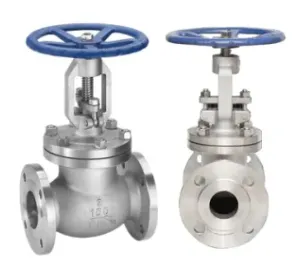
When it comes to gas applications, the selection of valves is a critical decision that can significantly impact the safety, efficiency, and reliability of the entire system. As a trusted supplier of flat gate valves, I understand the importance of making informed choices. In this blog, I will discuss the key considerations for using a flat gate valve in gas applications.
1. Pressure and Temperature Ratings
Gas systems can operate under a wide range of pressures and temperatures. It is essential to choose a flat gate valve with appropriate pressure and temperature ratings to ensure its safe and reliable operation. The valve should be able to withstand the maximum pressure and temperature conditions that it will encounter in the gas application.
For instance, in high - pressure gas pipelines, a flat gate valve with a high - pressure rating, such as ANSI Class 600 or higher, may be required. On the other hand, for low - pressure gas distribution systems, a valve with a lower pressure rating can be sufficient. Similarly, if the gas is at an elevated temperature, the valve material must be able to maintain its mechanical properties. For example, stainless steel or alloy steel valves are often used in high - temperature gas applications. You can explore our ANSI Gate Valve ANSI which offers a variety of pressure and temperature ratings suitable for different gas applications.
2. Sealing Performance
A proper seal is crucial in gas applications to prevent gas leakage, which can lead to safety hazards, environmental pollution, and loss of valuable gas resources. Flat gate valves should have excellent sealing performance both in the closed position and under normal operating conditions.


The sealing surfaces of the valve should be made of high - quality materials that can resist wear, corrosion, and erosion. Soft seals, such as elastomers, can provide a tight seal in low - pressure gas applications. However, in high - pressure or high - temperature gas systems, metal - to - metal seals are often preferred due to their durability and ability to withstand harsh conditions. Our company offers a range of flat gate valves with different sealing options to meet the specific requirements of gas applications.
3. Valve Size and Flow Capacity
The size of the flat gate valve is an important consideration as it directly affects the flow capacity of the gas system. The valve size should be selected based on the required flow rate, pipe diameter, and the overall design of the gas system.
A valve that is too small may cause excessive pressure drop, reducing the efficiency of the gas flow. Conversely, a valve that is too large can be costly and may not provide optimal control. It is important to calculate the required flow capacity accurately and choose a valve size accordingly. Our Ductile Cast Iron DN50 - 200 Groove Type Rising Stem Wedge Gate Valve For Fire Fighting comes in various sizes, which can also be considered for gas applications with appropriate flow requirements.
4. Material Compatibility
The valve material must be compatible with the gas being transported. Different gases have different chemical properties, and some gases can be corrosive or reactive with certain materials.
For example, natural gas may contain small amounts of sulfur compounds, which can cause corrosion in some metals. In such cases, corrosion - resistant materials like stainless steel or coated carbon steel should be used. Additionally, if the gas is flammable, the valve material should not generate sparks during operation to prevent potential fire or explosion hazards.
5. Operation and Maintenance
Ease of operation and maintenance is another important factor in gas applications. Flat gate valves should be easy to open and close, and the operating mechanism should be reliable. Manual valves are suitable for small - scale gas systems where remote control is not required. However, for large - scale or automated gas systems, electric, pneumatic, or hydraulic actuators can be used to operate the valves.
Regular maintenance is necessary to ensure the long - term performance of the valves. The valve design should allow for easy access to internal components for inspection, cleaning, and replacement of parts. Our American Standard Flanged Gate Valves are designed with user - friendly features for easy operation and maintenance.
6. Safety Features
Safety is of utmost importance in gas applications. Flat gate valves should be equipped with appropriate safety features to prevent accidents. For example, some valves have over - pressure protection devices that can automatically close the valve in case of abnormal pressure increases.
In addition, valve locking mechanisms can be used to prevent unauthorized operation. This is especially important in industrial gas applications where safety regulations are strict.
7. Compliance with Standards
Gas applications are often subject to various national and international standards and regulations. The flat gate valve should comply with relevant standards such as API (American Petroleum Institute), ASME (American Society of Mechanical Engineers), and ISO (International Organization for Standardization).
Compliance with these standards ensures that the valve meets the required quality, safety, and performance criteria. Our company is committed to producing flat gate valves that comply with all relevant industry standards, providing customers with reliable and high - quality products.
8. Cost - effectiveness
While safety and performance are the top priorities, cost - effectiveness is also an important consideration. The cost of the flat gate valve includes not only the initial purchase price but also the cost of installation, operation, and maintenance over its service life.
It is important to balance the upfront cost with the long - term benefits. A high - quality valve may have a higher initial cost but can save money in the long run by reducing maintenance requirements, preventing gas leakage, and improving system efficiency.
In conclusion, when using a flat gate valve in gas applications, multiple factors need to be carefully considered. As a professional flat gate valve supplier, we have a wide range of products that can meet the diverse needs of gas applications. Whether you are looking for a valve with specific pressure and temperature ratings, excellent sealing performance, or ease of operation, we can provide you with the right solution.
If you are interested in our flat gate valves for your gas applications, please feel free to contact us for more information and to discuss your specific requirements. Our team of experts is ready to assist you in making the best valve selection for your project.
References
- API Standards for Valves in Oil and Gas Industry
- ASME Boiler and Pressure Vessel Code
- ISO Standards for Valve Design and Performance