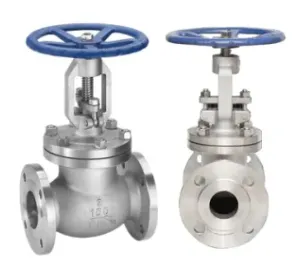
Fluid viscosity is a crucial factor that significantly influences the performance and operation of ANSI Gate Valves. As a trusted supplier of ANSI Gate Valves, we have witnessed firsthand the diverse effects of fluid viscosity on these valves. In this blog, we will delve into the various impacts of fluid viscosity on ANSI Gate Valves and explore how understanding these effects can help in making informed decisions regarding valve selection and operation.
Understanding Fluid Viscosity
Fluid viscosity refers to the internal resistance of a fluid to flow. It is a measure of the fluid's thickness or stickiness. High - viscosity fluids, such as honey or heavy oils, flow more slowly and have greater internal friction compared to low - viscosity fluids like water. The viscosity of a fluid can vary depending on factors such as temperature, pressure, and the presence of additives.
Effects of Fluid Viscosity on ANSI Gate Valve Operation
1. Opening and Closing Torque
One of the most immediate effects of fluid viscosity on ANSI Gate Valves is the impact on the opening and closing torque. High - viscosity fluids require more force to move through the valve. When the valve is being opened or closed, the gate has to overcome the resistance offered by the viscous fluid. As a result, the torque required to operate the valve increases significantly.
For instance, in a pipeline carrying a low - viscosity fluid like water, the gate can move relatively easily through the fluid, and the operating torque is relatively low. However, when dealing with a high - viscosity fluid such as a thick lubricating oil, the valve actuator may need to generate much higher torque to open or close the gate. This can put additional stress on the valve stem, actuator, and other components, potentially leading to premature wear and tear.
2. Flow Resistance
Fluid viscosity also affects the flow resistance within the ANSI Gate Valve. High - viscosity fluids create more friction as they flow through the valve passage. This increased friction results in a higher pressure drop across the valve. The pressure drop is the difference in pressure between the inlet and the outlet of the valve.
A higher pressure drop means that more energy is required to maintain the desired flow rate through the valve. In a system where energy efficiency is crucial, such as in a large - scale industrial process, the increased pressure drop caused by high - viscosity fluids can lead to significant energy losses. Additionally, the higher pressure drop can also affect the overall performance of the pipeline system, potentially causing issues with downstream equipment.
3. Sealing Performance
The sealing performance of an ANSI Gate Valve can be compromised by high - viscosity fluids. Viscous fluids can adhere to the sealing surfaces of the gate and the valve seat. Over time, this can prevent the gate from making a tight seal against the seat.
For example, if a viscous fluid contains particles or contaminants, these can become trapped between the sealing surfaces, creating gaps and allowing leakage. Even in the absence of contaminants, the viscous nature of the fluid can make it difficult for the gate to fully compress against the seat, resulting in a less - than - perfect seal. This can lead to fluid leakage, which is not only wasteful but can also pose safety risks in some applications.
4. Cavitation and Erosion
In some cases, high - viscosity fluids can contribute to cavitation and erosion within the ANSI Gate Valve. Cavitation occurs when the pressure of the fluid drops below its vapor pressure, causing the formation of vapor bubbles. When these bubbles collapse, they can generate high - energy shockwaves that can damage the valve components.
High - viscosity fluids can affect the pressure distribution within the valve, increasing the likelihood of cavitation. Additionally, the abrasive nature of some viscous fluids, especially those containing solid particles, can cause erosion of the valve surfaces. Erosion can gradually wear away the gate, seat, and other internal components, reducing the valve's lifespan and performance.
Mitigating the Effects of Fluid Viscosity
1. Valve Selection
Proper valve selection is crucial when dealing with high - viscosity fluids. Different types of ANSI Gate Valves are better suited for different viscosity ranges. For example, Bellows Gate Valve can provide better sealing performance in applications where viscous fluids are present. The bellows design helps to isolate the stem from the fluid, reducing the risk of leakage and protecting the stem from the effects of the viscous fluid.
Knife Gate Valve is another option for high - viscosity fluids, especially those containing solids. The sharp edge of the knife gate can cut through the viscous fluid and any solid particles, ensuring smooth operation and better sealing. Rubber Seat Gate Valve can also be a good choice as the rubber seat can provide a more flexible and effective seal against the gate, even in the presence of viscous fluids.
2. Valve Sizing
Correct valve sizing is essential to minimize the effects of fluid viscosity. A valve that is too small for the flow rate and viscosity of the fluid will experience higher pressure drops and require more torque to operate. On the other hand, an oversized valve may not provide a proper seal and can also be more expensive.
When sizing an ANSI Gate Valve for a high - viscosity fluid, it is important to consider factors such as the expected flow rate, the viscosity of the fluid, and the allowable pressure drop. Consulting with a valve expert or using appropriate sizing calculations can help ensure that the valve is sized correctly for the application.
3. Actuator Selection
Selecting the right actuator is crucial when dealing with high - viscosity fluids. The actuator should be able to generate sufficient torque to open and close the valve against the resistance of the viscous fluid. Electric actuators are often a good choice as they can provide high - torque output and can be easily controlled. Pneumatic actuators can also be used, but they may require larger cylinders or higher air pressures to generate the necessary torque.
Conclusion
Fluid viscosity has a profound impact on the performance and operation of ANSI Gate Valves. From increased operating torque and flow resistance to compromised sealing performance and potential cavitation and erosion, the effects of high - viscosity fluids can be significant. However, by understanding these effects and taking appropriate measures such as proper valve selection, sizing, and actuator selection, these challenges can be mitigated.


As a leading supplier of ANSI Gate Valves, we are committed to providing our customers with the best - suited valves for their specific applications. Whether you are dealing with low - or high - viscosity fluids, our team of experts can help you select the right valve and ensure its optimal performance. If you are interested in learning more about our ANSI Gate Valves or need assistance with valve selection for your project, we encourage you to contact us for a procurement discussion. Our experienced sales team will be happy to answer your questions and provide you with the information you need to make an informed decision.
References
- API 600: Steel Gate, Globe, and Check Valves
- ANSI B16.34: Valves - Flanged, Threaded, and Welding End
- Crane Technical Paper No. 410: Flow of Fluids Through Valves, Fittings, and Pipe