As a professional flat gate valve supplier, I've witnessed firsthand the importance and wide - ranging applications of flat gate valves in various industries. In this blog, I'll delve into the working principle of a flat gate valve, shedding light on how it operates and why it's a preferred choice in many systems.
Basic Structure of a Flat Gate Valve
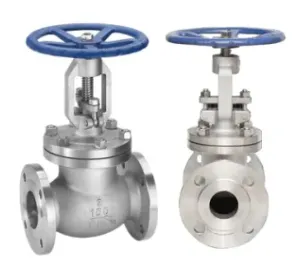
Before we discuss the working principle, it's essential to understand the basic components of a flat gate valve. A typical flat gate valve consists of a valve body, a gate, a stem, a bonnet, and seats. The valve body is the outer casing that houses all the internal components and is designed to withstand the pressure and flow of the fluid. The gate is a flat, rectangular plate that moves up and down to control the flow of the fluid. The stem is connected to the gate and is responsible for transmitting the motion from the actuator (such as a handwheel or an electric motor) to the gate. The bonnet is used to seal the top of the valve body, preventing fluid leakage. The seats are located on either side of the gate and provide a tight seal when the valve is closed.
Working Principle in the Open Position
When the flat gate valve is in the open position, the gate is fully retracted into the valve body. This creates a clear passage for the fluid to flow through the valve. The stem, which is connected to the gate, is either raised (in the case of a rising stem valve) or rotated (in the case of a non - rising stem valve) to lift the gate. In a rising stem flat gate valve, as the handwheel is turned counter - clockwise, the stem rises, pulling the gate up with it. This upward movement of the gate allows the fluid to pass freely through the valve. In a non - rising stem valve, the stem rotates but does not move axially. The rotation of the stem causes the gate to move up or down through a threaded connection.
One of the advantages of a flat gate valve in the open position is its low pressure drop. Since the gate is fully retracted, the flow path is relatively straight and unobstructed. This means that the fluid can flow through the valve with minimal resistance, reducing energy consumption and improving the overall efficiency of the system. For example, in a pipeline transporting natural gas, a flat gate valve in the open position allows the gas to flow smoothly, ensuring a stable supply.
Working Principle in the Closed Position
To close the flat gate valve, the process is reversed. In a rising stem valve, the handwheel is turned clockwise, causing the stem to lower. As the stem descends, it pushes the gate down until it reaches the seats on either side of the valve body. The gate then creates a tight seal against the seats, preventing the fluid from flowing through the valve. In a non - rising stem valve, the clockwise rotation of the stem causes the gate to move down until it seals against the seats.
The sealing mechanism of a flat gate valve is crucial for its proper operation. The seats are designed to provide a reliable seal even under high pressure. They are often made of materials such as metal, rubber, or a combination of both, depending on the application. For instance, in a water treatment plant, where the fluid is relatively clean and at moderate pressure, rubber - seated flat gate valves can provide an effective seal. However, in a high - pressure oil and gas pipeline, metal - seated flat gate valves are more suitable due to their ability to withstand extreme conditions.
Advantages of Flat Gate Valves Based on Their Working Principle
The working principle of flat gate valves gives them several advantages. Firstly, as mentioned earlier, their low pressure drop in the open position makes them energy - efficient. This is especially important in large - scale industrial applications where energy costs can be a significant factor. Secondly, flat gate valves can provide a tight shut - off when closed. The flat design of the gate and the proper sealing of the seats ensure that there is minimal leakage, which is crucial for safety and environmental reasons. For example, in nuclear power plants, a reliable shut - off valve is essential to prevent the release of radioactive materials.
Another advantage is their versatility. Flat gate valves can be used in a wide range of applications, including oil and gas, water treatment, chemical processing, and power generation. They can handle different types of fluids, such as liquids, gases, and slurries. For example, in a mining operation, a flat gate valve can be used to control the flow of slurry, which is a mixture of solid particles and liquid.

Applications in Different Industries
In the oil and gas industry, flat gate valves are widely used in pipelines, refineries, and offshore platforms. They are used to control the flow of crude oil, natural gas, and refined products. For example, at an oil wellhead, a flat gate valve can be used to isolate the well from the pipeline during maintenance or in case of an emergency.
In the water treatment industry, flat gate valves are used to control the flow of water in treatment plants, distribution systems, and sewage systems. The tight shut - off and low pressure drop characteristics of flat gate valves make them ideal for these applications. For instance, in a water distribution network, a flat gate valve can be used to isolate a section of the pipeline for repairs.
In the chemical processing industry, flat gate valves are used to handle corrosive and hazardous chemicals. The materials used in the valve construction, such as stainless steel or special alloys, are chosen to resist corrosion and ensure the safety of the system. For example, in a chemical plant producing acids, a flat gate valve made of corrosion - resistant materials can be used to control the flow of the acid.
Related Products
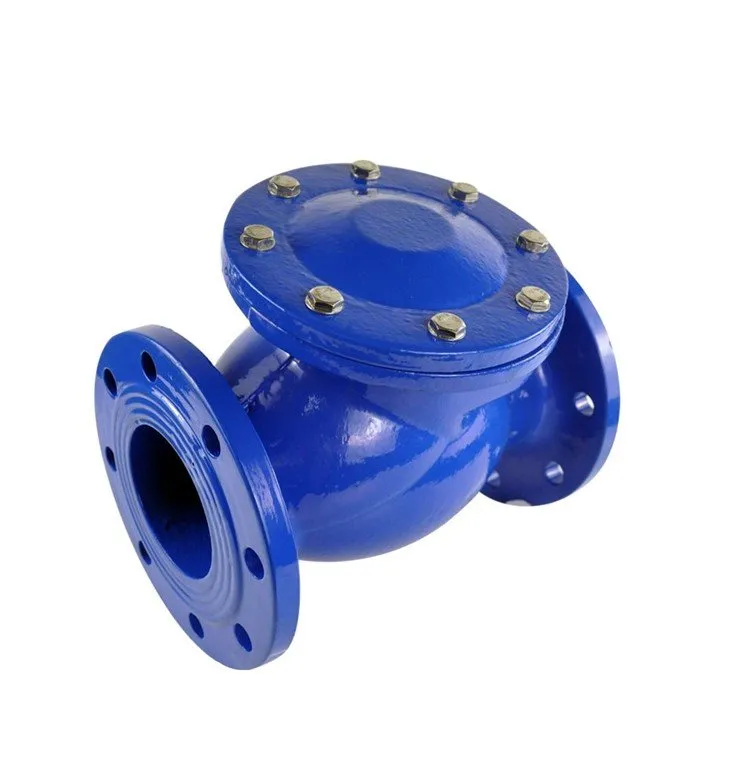
As a flat gate valve supplier, we also offer a variety of related products. For example, the 150LB Check Valve is an important component in many systems. It allows the fluid to flow in one direction only, preventing backflow. This is crucial in applications where backflow can cause damage to the system or affect the quality of the product.
The Cast Iron F4 Resilient Seated Gate Valve is another popular product. It combines the strength of cast iron with the sealing properties of a resilient seat. This makes it suitable for a wide range of applications, including water supply and drainage systems.
The Rising Stem Flanged Gate Valve Z41H is a high - quality flat gate valve with a rising stem design. It is often used in industrial pipelines where easy visual indication of the valve position is required.
Conclusion
In conclusion, the working principle of a flat gate valve is based on the movement of a flat gate to control the flow of fluid. Whether it's in the open or closed position, the design of the valve ensures efficient operation and reliable performance. The low pressure drop in the open position and the tight shut - off in the closed position make flat gate valves a popular choice in various industries.
If you are in need of high - quality flat gate valves or any of our related products, we invite you to contact us for procurement and further discussions. Our team of experts is ready to assist you in finding the right valve solutions for your specific applications.
References
- Valve Handbook, 4th Edition, by J. Paul Tullis
- Industrial Valves: Design and Application, by Leslie E. Spira
- Pipeline Rules of Thumb Handbook, 5th Edition, by E. W. McAllister