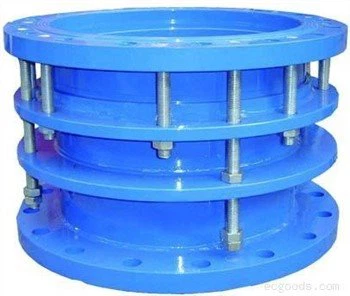
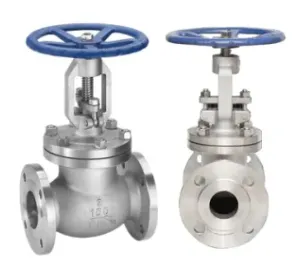
In the dynamic landscape of industrial valve technology, Rising Stem Gate Valves have long been a cornerstone in various applications, from water treatment plants to oil and gas pipelines. As a leading Rising Stem Gate Valve supplier, we are constantly attuned to the emerging trends that are shaping the future of this essential equipment. This blog post will explore these trends, highlighting how they are influencing the design, performance, and functionality of Rising Stem Gate Valves.
Smart Valve Technology
One of the most significant trends in Rising Stem Gate Valve technology is the integration of smart features. With the advent of the Internet of Things (IoT), valves are now being equipped with sensors and communication devices that enable real - time monitoring and control. These smart valves can collect data on various parameters such as pressure, temperature, and valve position. For instance, a sensor can detect if the valve is fully open or closed, and transmit this information to a central control system. This data can be used to optimize the operation of the valve, predict maintenance needs, and prevent potential failures.
Smart valves also offer the advantage of remote control. Operators can adjust the valve position from a distance, which is particularly useful in hazardous or hard - to - reach locations. This not only improves safety but also increases operational efficiency. As a supplier, we are actively involved in developing and offering smart Rising Stem Gate Valves to meet the growing demand for more intelligent and connected industrial solutions.
Improved Sealing Technology
Sealing is a critical aspect of Rising Stem Gate Valve performance. Leakage can lead to significant losses, environmental hazards, and safety risks. Recent advancements in sealing technology have focused on developing more durable and effective seals.
One such development is the use of advanced elastomers and polymers in valve seats. These materials offer better resistance to wear, corrosion, and chemical attack compared to traditional sealing materials. For example, the Cast Iron F4 Resilient Seated Gate Valve features a resilient seat made of high - quality elastomer, which provides a tight seal even under high pressure and in harsh operating conditions.
Another trend is the design of self - adjusting seals. These seals can adapt to changes in pressure, temperature, and valve movement, ensuring a consistent and reliable seal over time. This reduces the need for frequent maintenance and replacement of seals, resulting in lower operating costs for our customers.
Enhanced Material Selection
The choice of materials for Rising Stem Gate Valves has a direct impact on their performance, durability, and cost - effectiveness. In recent years, there has been a shift towards using more advanced materials that offer better mechanical properties and corrosion resistance.
Stainless steel has become a popular choice for valve bodies and stems due to its high strength, excellent corrosion resistance, and long service life. It can withstand a wide range of temperatures and chemical environments, making it suitable for a variety of applications. In addition, some manufacturers are exploring the use of composite materials, which combine the best properties of different materials to create valves that are lightweight, strong, and corrosion - resistant.
For valve seats, materials such as Rubber Seat Gate Valve are being refined to offer improved performance. The rubber used is carefully selected and engineered to provide a tight seal, low friction, and resistance to wear and tear.
Energy Efficiency
Energy efficiency is a growing concern in the industrial sector, and Rising Stem Gate Valves are no exception. New valve designs are being developed to minimize pressure drop across the valve, which reduces the energy required to pump fluids through the system.
One approach is to optimize the internal flow path of the valve. By using computational fluid dynamics (CFD) simulations, engineers can design valves with smoother and more streamlined flow channels. This reduces turbulence and pressure losses, resulting in more efficient operation.
Another trend is the use of low - friction materials for valve components. For example, the use of coatings on valve stems and seats can reduce the friction between moving parts, making it easier to open and close the valve. This not only saves energy but also extends the service life of the valve.
Compact and Modular Design
Space is often a constraint in industrial installations, and there is a growing demand for more compact Rising Stem Gate Valves. Manufacturers are developing valves with smaller footprints without compromising on performance.

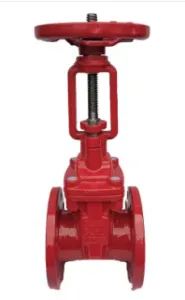
Modular design is also becoming increasingly popular. Modular valves consist of standardized components that can be easily assembled and disassembled. This allows for quick installation, maintenance, and replacement of parts. It also provides flexibility in system design, as different modules can be combined to meet specific application requirements. For example, the Non Rising Stem Groove Resilient Gate Valve is designed with a modular structure, which makes it easy to install and integrate into existing systems.
Environmental Sustainability
In today's environmentally conscious world, there is a greater emphasis on the sustainability of industrial products. Rising Stem Gate Valve manufacturers are taking steps to reduce the environmental impact of their products.
One way is to use more environmentally friendly materials. For example, some manufacturers are using recycled materials in valve production, which reduces the demand for virgin resources. In addition, valves are being designed to be more energy - efficient, as mentioned earlier, which helps to reduce greenhouse gas emissions.
Another aspect of environmental sustainability is the proper disposal and recycling of valves at the end of their service life. As a supplier, we are committed to promoting sustainable practices throughout the valve lifecycle, from production to disposal.
Conclusion
The emerging trends in Rising Stem Gate Valve technology are driven by the need for improved performance, efficiency, safety, and environmental sustainability. As a Rising Stem Gate Valve supplier, we are at the forefront of these developments, constantly innovating and adapting our products to meet the evolving needs of our customers.
If you are in the market for high - quality Rising Stem Gate Valves, we invite you to contact us for a detailed discussion of your requirements. Our team of experts is ready to provide you with the best solutions and support for your industrial applications. Whether you need a standard valve or a customized solution, we have the expertise and resources to meet your needs.
References
- "Industrial Valve Handbook" by Valves Magazine
- "Advances in Valve Technology" by the American Society of Mechanical Engineers (ASME)
- Research papers on valve design and performance from leading academic journals in the field of mechanical engineering.