Hey there! As a check valve supplier, I often get asked about the installation requirements for a check valve in a vertical pipeline. It's a crucial topic because getting the installation right can make a huge difference in how well the valve works and how long it lasts. So, let's dive into it!
Understanding the Basics of Check Valves
First off, let's quickly go over what a check valve is. A check valve, also known as a Non Return Check Valve, is a device that allows fluid to flow in one direction only. It prevents backflow, which can be a real problem in many industrial and commercial applications.
There are different types of check valves, like swing check valves, lift check valves, and dual plate check valves. Each type has its own unique features and benefits, but they all serve the same basic purpose: to keep the fluid moving in the right direction.
Why Vertical Pipeline Installation is Different
Installing a check valve in a vertical pipeline is different from installing it in a horizontal one. In a vertical pipeline, gravity plays a significant role. The direction of the fluid flow and the orientation of the valve can affect how well it operates.
For example, if the fluid is flowing upwards in a vertical pipeline, the check valve needs to be able to open against the force of gravity. On the other hand, if the fluid is flowing downwards, the valve needs to be designed to close properly to prevent backflow.
Installation Requirements for Vertical Pipelines
1. Valve Orientation
The orientation of the check valve in a vertical pipeline is crucial. Most check valves are designed to be installed with the flow direction indicated on the valve body. When installing in a vertical pipeline, make sure the valve is installed so that the flow is in the correct direction.
For a valve where the fluid is flowing upwards, the valve should be installed with the disc or closure mechanism at the bottom. This allows the valve to open easily as the fluid flows upwards. If the valve is installed incorrectly, it may not open fully, which can lead to reduced flow and increased pressure drop.
2. Mounting Position
The mounting position of the check valve also matters. The valve should be installed in a location where it is easily accessible for maintenance and inspection. It should also be mounted in a way that allows for proper drainage. If there is any trapped fluid in the valve, it can cause corrosion and damage over time.
In a vertical pipeline, the valve should be mounted at a location where it is not subject to excessive vibration or movement. Vibration can cause the valve to wear out prematurely and can also affect its sealing performance.
3. Pipe Support
Proper pipe support is essential when installing a check valve in a vertical pipeline. The pipeline should be supported adequately to prevent any movement or misalignment of the valve. If the pipeline is not supported properly, it can put stress on the valve, which can lead to leaks and other problems.
Make sure the pipe supports are installed at regular intervals along the pipeline. The supports should be strong enough to hold the weight of the pipeline and the valve, as well as any fluid flowing through it.
4. Clearance and Accessibility
There should be enough clearance around the check valve for installation, maintenance, and inspection. The valve should not be installed in a cramped space where it is difficult to reach. This can make it challenging to perform routine maintenance tasks, such as replacing gaskets or checking the valve's operation.
Also, make sure there is enough space for any associated equipment, such as actuators or control devices. These components need to be easily accessible for adjustment and repair.
Specific Considerations for Different Types of Check Valves
Swing Check Valves
Swing check valves are commonly used in vertical pipelines. When installing a swing check valve in a vertical pipeline with upward flow, the hinge of the valve should be at the top. This allows the disc to swing open freely as the fluid flows upwards.
For downward flow in a vertical pipeline, the swing check valve should be installed with the hinge at the bottom. This ensures that the disc can close properly to prevent backflow.
Lift Check Valves
Lift check valves are another type that can be used in vertical pipelines. In a vertical pipeline with upward flow, the lift check valve should be installed with the inlet at the bottom. This allows the disc to lift off its seat as the fluid flows upwards.
For downward flow, the lift check valve should be installed with the outlet at the bottom. This ensures that the disc can close under the force of gravity and the flow of the fluid.
Dual Plate Check Valves
ANSI Standard Made in China Stainless Steel With Dual Plate And Wafer Check Valve are popular in many applications. When installing a dual plate check valve in a vertical pipeline, the valve should be installed with the flow direction in mind. The dual plates should be able to open and close smoothly in the vertical orientation.
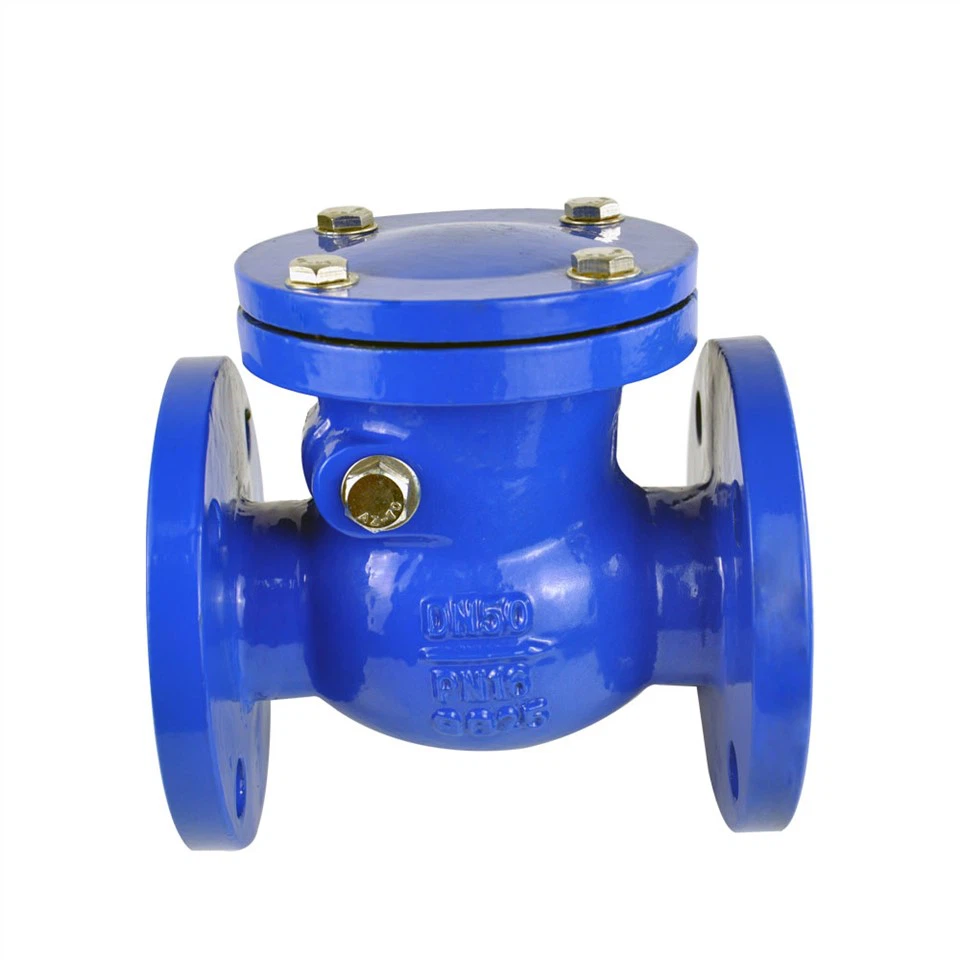

Make sure the valve is centered properly in the pipeline to ensure proper sealing. Any misalignment can cause leaks and reduced performance.
Importance of Proper Installation
Proper installation of a check valve in a vertical pipeline is essential for its performance and longevity. A poorly installed valve can lead to a variety of problems, such as:
- Reduced Flow: If the valve does not open fully, it can restrict the flow of fluid, which can affect the efficiency of the system.
- Increased Pressure Drop: A misaligned or incorrectly installed valve can cause an increase in pressure drop, which can lead to higher energy consumption.
- Premature Wear and Tear: Vibration and improper mounting can cause the valve components to wear out quickly, reducing the valve's lifespan.
- Leakage: If the valve does not close properly, it can lead to leakage, which can be a safety hazard and can also cause damage to the surrounding equipment.
Maintenance and Inspection
Once the check valve is installed in a vertical pipeline, regular maintenance and inspection are necessary. Check the valve periodically for any signs of wear, corrosion, or leakage. Make sure the valve is operating smoothly and that the disc or closure mechanism is opening and closing properly.
If any problems are detected, it's important to address them promptly. Replace any worn or damaged components as needed to ensure the valve continues to operate effectively.
Our Product Range
As a check valve supplier, we offer a wide range of high-quality check valves suitable for vertical pipeline installations. Our Non Return Check Valve are designed to provide reliable performance and prevent backflow.
We also have Industrial Wafer Butterfly Check Valve Chinese Factory that are suitable for various industrial applications. These valves are known for their compact design and excellent sealing performance.
If you're looking for a valve that meets ANSI standards and is made in China, our ANSI Standard Made in China Stainless Steel With Dual Plate And Wafer Check Valve is a great choice. It offers durability and reliability in vertical pipeline installations.
Conclusion
Installing a check valve in a vertical pipeline requires careful consideration of several factors, including valve orientation, mounting position, pipe support, and clearance. By following the proper installation requirements, you can ensure that the valve operates effectively and lasts for a long time.
If you have any questions about check valve installation in vertical pipelines or if you're interested in our products, feel free to reach out to us. We're here to help you find the right solution for your needs. Let's work together to ensure your pipeline systems operate smoothly and efficiently!
References
- "Valve Handbook" by J. Paal.
- "Piping and Pipeline Engineering" by G. A. Nellis and S. A. Klein.