Hey there! As a supplier of ANSI Gate Valve ANSI, I've got a lot of hands - on experience with these valves. Today, I'm gonna share with you how to test the performance of ANSI Gate Valve ANSI.
1. Understanding ANSI Gate Valve ANSI
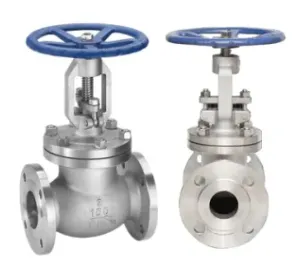
Before we dive into the testing part, let's quickly talk about what ANSI Gate Valve ANSI is. ANSI stands for the American National Standards Institute, and their standards ensure that these valves meet certain quality and performance criteria. There are different types of ANSI Gate Valves, like the Rising Stem Flanged Gate Valve Z41H and the Parallel Gate Valve. They're widely used in various industries, including oil and gas, water treatment, and chemical processing.
2. Visual Inspection
The first step in testing the performance of an ANSI Gate Valve ANSI is a visual inspection. You don't need any fancy tools for this - just your eyes!
- Check the Body: Look at the valve body for any signs of cracks, dents, or corrosion. Cracks can lead to leaks, and dents might affect the valve's operation. Corrosion can weaken the valve over time.
- Examine the Stem: The stem is an important part of the valve. Make sure it's straight and not bent. A bent stem can cause problems when opening and closing the valve. Also, check for any signs of wear or damage on the stem threads.
- Inspect the Seats and Discs: The seats and discs are what create the seal in the valve. Look for any scratches, pitting, or other damage. Even a small scratch can cause a leak.
3. Pressure Testing
Pressure testing is a crucial part of evaluating the performance of an ANSI Gate Valve ANSI. There are two main types of pressure tests: hydrostatic and pneumatic.
Hydrostatic Testing
- Set - up: First, you need to close the valve and fill it with a test fluid, usually water. Make sure all the air is removed from the valve before starting the test.
- Apply Pressure: Gradually increase the pressure to the specified test pressure. This pressure is usually higher than the normal operating pressure of the valve. For example, if the valve is designed to operate at 100 psi, the test pressure might be 150 psi.
- Check for Leaks: Keep the pressure steady for a certain period, usually around 10 - 15 minutes. During this time, check all the joints, seals, and the valve body for any signs of leaks. If you see any drops of water or a steady stream, there's a problem.
Pneumatic Testing
- Set - up: Instead of water, you use air or another gas for pneumatic testing. The valve is closed, and the gas is introduced into the valve.
- Apply Pressure: Similar to hydrostatic testing, you gradually increase the pressure to the test level.
- Check for Leaks: You can use a soap solution to check for leaks. Apply the soap solution to all the potential leak points. If there are any leaks, bubbles will form. However, pneumatic testing is a bit more dangerous than hydrostatic testing because of the risk of a sudden release of high - pressure gas.
4. Operational Testing
After the visual inspection and pressure testing, it's time to test the valve's operation.
- Opening and Closing: Use the valve's actuator (either a handwheel or a motor) to open and close the valve several times. Pay attention to how smoothly it operates. If it's difficult to turn the handwheel or if there are any jerks or noises, there might be a problem.
- Full Open and Full Closed Positions: Make sure the valve can fully open and fully close. In the fully closed position, the valve should completely stop the flow of fluid. In the fully open position, there should be minimal resistance to the flow.
- Indicator Function: Many ANSI Gate Valves have position indicators. Check that these indicators accurately show whether the valve is open or closed.
5. Flow Testing
Flow testing helps you understand how well the valve allows fluid to pass through it.
- Set - up: You need to connect the valve to a flow system with a flow meter. The flow meter will measure the amount of fluid passing through the valve.
- Measure Flow Rates: Open the valve fully and measure the flow rate at different pressures. Compare the measured flow rates with the valve's rated flow capacity. If the measured flow rate is significantly lower than the rated capacity, there might be a blockage or other issue inside the valve.
6. Material and Chemical Compatibility Testing
In some applications, the ANSI Gate Valve ANSI needs to be compatible with the fluid it's handling.
- Material Analysis: If possible, analyze the materials used in the valve to make sure they're suitable for the specific fluid. For example, if the valve is going to be used with a corrosive chemical, it should be made of a corrosion - resistant material.
- Exposure Testing: You can also expose a small sample of the valve material to the fluid for a certain period. Check for any signs of chemical reaction, such as discoloration, swelling, or degradation.
7. Operational Cycle Testing
To ensure the long - term performance of an ANSI Gate Valve ANSI, it's a good idea to perform operational cycle testing.


- Open and Close Repeatedly: Use an automated system to open and close the valve a large number of times, say 1000 or more cycles. This simulates the valve's long - term use.
- Monitor Performance: During the cycle testing, monitor the valve's performance. Check for any changes in the operating torque, any signs of wear on the components, or any leaks that develop over time.
8. Documentation
Throughout the testing process, it's important to document everything. Keep a record of the visual inspection results, pressure test data, operational test results, flow test data, and any other relevant information. This documentation can be used for quality control, troubleshooting, and to provide evidence of the valve's performance to customers.
Conclusion
Testing the performance of an ANSI Gate Valve ANSI is a comprehensive process that involves visual inspection, pressure testing, operational testing, flow testing, and more. By following these steps, you can ensure that the valve meets the required standards and performs well in its intended application.
If you're in the market for high - quality ANSI Gate Valve ANSI, we're here to help. Our valves are rigorously tested to ensure top - notch performance. Click here to learn more about our products. If you have any questions or want to discuss a potential purchase, don't hesitate to reach out. We're looking forward to doing business with you!
References
- Valve Handbook, 4th Edition by J. A. Zielinski
- ASME Standards for Pressure - Relieving and Regulatory Devices
- API Standards for Valves in the Oil and Gas Industry