In the realm of industrial fluid control, the rising stem gate valve stands as a crucial component, widely employed across various sectors such as oil and gas, water treatment, and chemical processing. As a leading supplier of rising stem gate valves, I am often asked about the specific function of the yoke in these valves. In this blog post, I will delve into the details of the yoke's role, its importance, and how it contributes to the overall performance of the rising stem gate valve.
Understanding the Rising Stem Gate Valve
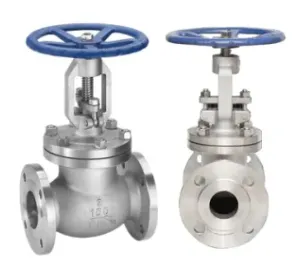
Before we explore the function of the yoke, let's first understand the basic structure and operation of a rising stem gate valve. A rising stem gate valve consists of a valve body, a gate, a stem, a bonnet, and a yoke. The gate is the movable part that controls the flow of fluid through the valve. When the valve is opened, the gate is lifted out of the flow path, allowing fluid to pass through. Conversely, when the valve is closed, the gate is lowered to block the flow.
The stem is connected to the gate and is responsible for transmitting the motion from the actuator (such as a handwheel or an electric motor) to the gate. As the stem rotates, it either raises or lowers the gate, depending on the direction of rotation. The bonnet is the cover that seals the valve body and provides a housing for the stem and other internal components.
The Function of the Yoke
The yoke is a crucial part of the rising stem gate valve, serving several important functions:
1. Support for the Stem and Actuator
One of the primary functions of the yoke is to provide support for the stem and the actuator. The stem passes through the yoke, and the yoke acts as a guide, ensuring that the stem moves in a straight line as it rotates. This is essential for the proper operation of the valve, as any misalignment of the stem can cause the gate to bind or not seat properly, leading to leakage or reduced valve performance.
The yoke also provides a mounting point for the actuator. Whether it is a handwheel, an electric motor, or a pneumatic actuator, the yoke allows the actuator to be securely attached to the valve. This ensures that the force applied by the actuator is transmitted effectively to the stem and, ultimately, to the gate.
2. Protection of Internal Components
The yoke also serves as a protective barrier for the internal components of the valve. It shields the stem, the packing, and other sensitive parts from external elements such as dust, dirt, and moisture. This helps to prevent corrosion and wear, which can significantly reduce the lifespan of the valve.
In addition, the yoke can provide protection against mechanical damage. For example, in industrial environments where there is a risk of accidental impact or vibration, the yoke can absorb some of the energy and prevent it from reaching the internal components of the valve.
3. Adjustment and Maintenance
The yoke often includes features that allow for adjustment and maintenance of the valve. For example, some yokes have a gland flange that can be tightened or loosened to adjust the packing around the stem. This helps to prevent leakage along the stem and ensures a proper seal.
The yoke may also provide access to other internal components for inspection and maintenance. By removing the yoke or a portion of it, technicians can easily reach the stem, the gate, and other parts of the valve for cleaning, lubrication, or replacement.
Types of Yokes
There are several types of yokes used in rising stem gate valves, each with its own design and features:
1. Solid Yoke
A solid yoke is a one-piece structure that provides a high level of strength and rigidity. It is typically used in applications where the valve is subjected to high pressures or heavy loads. Solid yokes are often made of cast iron, steel, or other durable materials.


2. Split Yoke
A split yoke is designed to be easily disassembled for maintenance or repair. It consists of two halves that are bolted together around the stem. Split yokes are commonly used in applications where frequent access to the internal components of the valve is required.
3. Open Yoke
An open yoke has a design that allows for easy visual inspection of the stem and the packing. It is often used in applications where monitoring the condition of the valve is important, such as in critical process systems.
Importance of the Yoke in Valve Performance
The proper design and function of the yoke are essential for the overall performance of the rising stem gate valve. A well-designed yoke ensures that the stem moves smoothly and accurately, allowing the gate to open and close properly. This helps to prevent leakage, reduce wear and tear on the valve components, and extend the lifespan of the valve.
In addition, the yoke's ability to protect the internal components from external elements and mechanical damage is crucial for maintaining the reliability of the valve. By preventing corrosion and wear, the yoke helps to ensure that the valve operates consistently over time, even in harsh operating environments.
Our Rising Stem Gate Valve Products
As a supplier of rising stem gate valves, we offer a wide range of products to meet the diverse needs of our customers. Our Rubber Seat Gate Valve features a rubber seat that provides a tight seal, preventing leakage and ensuring reliable operation. The rubber seat also offers excellent resistance to corrosion and abrasion, making it suitable for a variety of applications.
Our Cast Iron Brass Sealed Rising Stem Gate Valves are designed for durability and performance. The cast iron body provides strength and stability, while the brass sealing components offer excellent corrosion resistance. These valves are ideal for use in water supply systems, irrigation, and other general-purpose applications.
We also offer the Non stem Flanged Gate Valve Z45H, which is a unique design that eliminates the need for a rising stem. This valve offers a compact and space-saving solution, making it suitable for applications where space is limited.
Contact Us for Purchase and Consultation
If you are in the market for high-quality rising stem gate valves or have any questions about our products, we encourage you to contact us. Our team of experts is ready to assist you in selecting the right valve for your specific application and providing you with detailed information about our products and services. Whether you need a single valve or a large quantity for a project, we can meet your requirements. Let's start a conversation and find the best valve solution for you.
References
- Valve Handbook, 4th Edition, by Robert K. Linnberg
- Industrial Valves: Design and Application, by David W. Miller