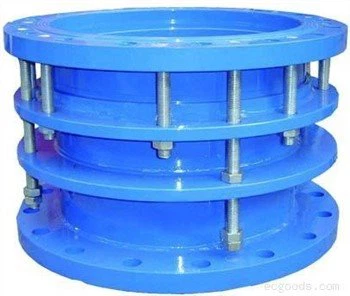
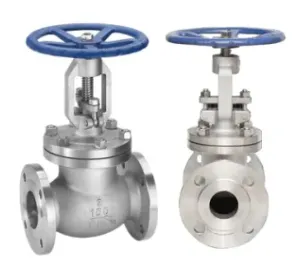
Hey there! As a supplier of steel round gates, I'm super stoked to share all the ins and outs of their installation requirements with you. Whether you're a DIY enthusiast looking to spruce up your place or a professional in the industry, getting the installation right is key. So, let's dive right in!
Site Preparation
First things first, you gotta prep the site where the steel round gate is gonna go. The area should be level and free from any debris, rocks, or other junk that could mess up the installation. I mean, you wouldn't build a house on a wobbly foundation, right? The same goes for your gate.

Measure the opening where the gate will be installed. Make sure it's the right size for your steel round gate. A little too big or too small, and you'll have some major headaches. Double - check your measurements with a good quality tape measure. It's better to be safe than sorry!
Foundation Requirements
A solid foundation is crucial for a steel round gate. You can choose between a concrete foundation or a post - in - ground installation, depending on your needs and the soil type.
If you go for a concrete foundation, dig holes that are deep enough to support the gate posts. The depth usually depends on the height and weight of the gate, but a good rule of thumb is to dig holes at least 2 feet deep. Pour the concrete into the holes and let it set according to the manufacturer's instructions. This will give your gate a stable base and prevent it from shifting or leaning over time.
For a post - in - ground installation, use pressure - treated wood or steel posts. Make sure they're firmly planted in the ground and level. You can use a level tool to ensure the posts are straight up and down. This method is a bit more flexible, but it might not be as durable as a concrete foundation in the long run.
Gate Assembly
Before you start installing the gate, you need to assemble it properly. Most steel round gates come in pre - fabricated sections, which makes the assembly process a whole lot easier.
Follow the manufacturer's instructions carefully. You'll usually need to attach the gate panels to the frame using bolts or screws. Make sure all the connections are tight and secure. Check for any loose parts or misaligned pieces and fix them before moving on.
Hinge Installation
The hinges are like the joints of your gate. They allow the gate to swing open and closed smoothly. Choose high - quality hinges that are designed for the weight and size of your steel round gate.
Install the hinges on the gate and the post according to the manufacturer's guidelines. Make sure they're properly aligned and level. You might need to use a drill to create holes for the hinge screws. Once the hinges are in place, test the gate to make sure it swings freely without any sticking or rubbing.
Lock Installation
A gate is only as good as its lock. Choose a lock that suits your security needs. You can go for a simple padlock or a more advanced electronic lock.
Install the lock on the gate and the post so that it can be easily accessed and used. Make sure the lock is properly aligned and that it engages securely. Test the lock to make sure it works correctly.
Alignment and Adjustment
After the gate is installed, it's time to check the alignment. The gate should be level and plumb. Use a level tool to make any necessary adjustments. You might need to loosen the hinge screws slightly and move the gate up, down, left, or right to get it perfectly aligned.
Also, check the clearance between the gate and the post. There should be enough space for the gate to swing open and closed without hitting the post or the ground. Adjust the gate as needed to ensure a smooth operation.
Weatherproofing
Steel round gates are exposed to the elements, so it's important to weatherproof them. You can apply a coat of paint or a rust - resistant coating to protect the steel from corrosion. This will not only make your gate look better but also extend its lifespan.
Make sure to cover all the exposed parts of the gate, including the hinges and the lock. You can also install weatherstripping around the edges of the gate to prevent water and drafts from getting through.
Comparing with Other Gate Types
While we're on the topic of gates, it's worth mentioning some other types that you might be interested in. For example, the Steel Square Gate offers a different aesthetic and functionality. It's more angular and might be a better fit for some architectural styles.
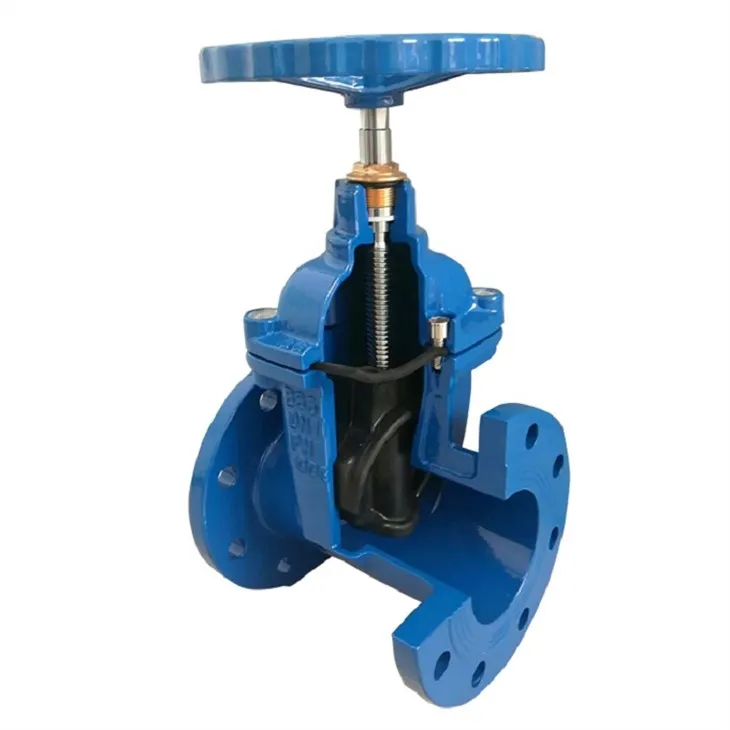
The Non - rising Stem Gate Valve is another option. It has a unique design that makes it suitable for certain applications where space is limited.
And if you're looking for a specific type of gate valve, the Non stem Flanged Gate Valve Z45H is worth considering. It has its own set of features and benefits that might meet your requirements.
Conclusion
Installing a steel round gate might seem like a daunting task, but if you follow these installation requirements, you'll be able to do it like a pro. Remember, site preparation, a solid foundation, proper assembly, and alignment are all key factors in a successful installation.
If you're in the market for a steel round gate or have any questions about the installation process, don't hesitate to reach out. We're here to help you every step of the way. Whether you're a small - scale homeowner or a large - scale commercial project, we've got the right gate for you. So, let's start this journey together and get your perfect steel round gate installed!
References
- General knowledge from years of experience in the steel gate industry.
- Manufacturer's instructions for steel round gate installation.