In the industrial world, safety is of paramount importance, especially when it comes to handling potentially hazardous substances. Knife gate valves are widely used in various industries, including chemical, mining, and wastewater treatment, to control the flow of fluids. Fire safety is a crucial aspect of valve design, as these valves can be exposed to high - temperature environments and potential fire hazards. As a trusted knife gate valve supplier, I am here to delve into the details of fire - safe design of knife gate valves.
Understanding the Basics of Knife Gate Valves
Before we discuss fire - safe design, let's briefly understand what knife gate valves are. A knife gate valve consists of a flat gate that moves up and down to control the flow of fluid. The gate has a sharp edge, similar to a knife, which can cut through thick or viscous media such as slurries, sludge, and pulp. These valves are known for their simple structure, low cost, and effective shut - off capabilities.
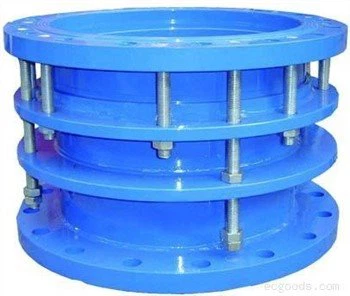
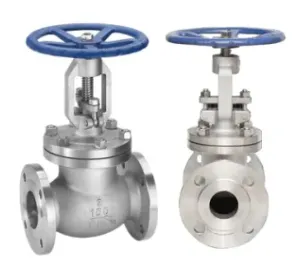
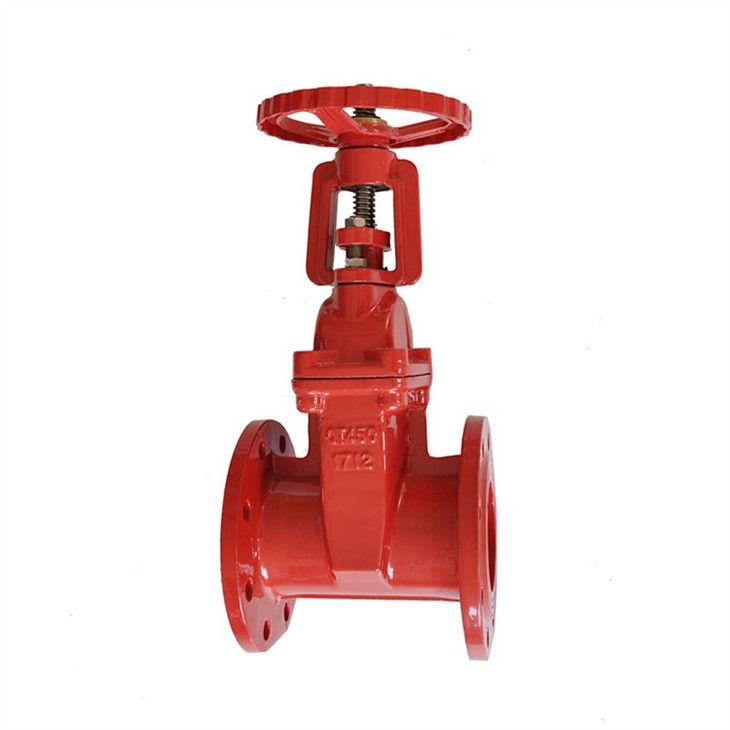
There are different types of knife gate valves available in the market, including Manual Rising Stem Knife Gate Valves, Steel Square Gate, and Rising Stem Gate Valve. Each type has its own unique features and applications, but all of them need to meet certain safety standards, especially in fire - prone environments.
The Importance of Fire - Safe Design
In industries where there is a risk of fire, such as oil and gas refineries, petrochemical plants, and power generation facilities, fire - safe valves are essential. A fire - safe valve is designed to maintain its integrity and functionality even in the event of a fire. This means that it should be able to prevent the leakage of flammable fluids, which could otherwise fuel the fire and cause further damage.
Fire - safe design also helps to protect the surrounding equipment and infrastructure. In case of a fire, a non - fire - safe valve may fail, leading to the uncontrolled release of fluids and potentially causing explosions or other catastrophic events. By using fire - safe knife gate valves, industries can minimize the risk of such incidents and ensure the safety of their operations.
Key Elements of Fire - Safe Design for Knife Gate Valves
Material Selection
The choice of materials is a critical factor in fire - safe valve design. For the valve body, materials with high melting points and good fire resistance are preferred. Stainless steel is a commonly used material for knife gate valves due to its excellent corrosion resistance and high - temperature performance. It can withstand high temperatures without losing its structural integrity, which is crucial in a fire situation.

The gate of the valve also needs to be made of a fire - resistant material. In addition to stainless steel, some valves use special alloys that are designed to maintain their strength and hardness at elevated temperatures. The seat and seal materials are equally important. Traditional elastomeric seals may melt or degrade in a fire, leading to leakage. Therefore, fire - safe valves often use graphite - based seals, which can withstand high temperatures and provide a reliable seal even under extreme conditions.
Design Features
Fire - safe knife gate valves are designed with several features to enhance their performance in a fire. One of the key features is the fire - test - proven design. These valves are tested according to international standards such as API 607 or ISO 10497 to ensure that they can meet the requirements for fire - safe performance.
The valve should also have a self - sealing mechanism. In the event of a fire, the heat can cause the materials in the valve to expand. A well - designed valve will use this expansion to improve the sealing performance, preventing the leakage of fluids. Additionally, the valve should be designed to minimize the risk of external fire damage. This can be achieved by using insulation materials around the valve body or by providing a protective enclosure.
Manufacturing and Quality Control
The manufacturing process of fire - safe knife gate valves is crucial to ensure their performance. High - quality manufacturing techniques, such as precision machining and welding, are used to ensure the proper fit and function of the valve components. Quality control is also essential at every stage of the manufacturing process. This includes material inspection, dimensional checks, and performance testing.
Before a valve is shipped to the customer, it should undergo a series of tests to verify its fire - safe performance. These tests may include fire endurance tests, where the valve is exposed to a controlled fire for a specified period of time to evaluate its ability to maintain a seal and prevent leakage.
Benefits of Using Fire - Safe Knife Gate Valves
Using fire - safe knife gate valves offers several benefits to industries. Firstly, it improves the safety of the operations. By preventing the leakage of flammable fluids in a fire, these valves can reduce the risk of explosions and other serious accidents. This not only protects the lives of the workers but also helps to safeguard the environment.
Secondly, fire - safe valves can reduce the downtime and repair costs associated with fire damage. In the event of a fire, a non - fire - safe valve may need to be replaced immediately, leading to significant production losses. Fire - safe valves, on the other hand, are more likely to survive the fire and can continue to function after the fire is extinguished, minimizing the disruption to the operations.
Finally, using fire - safe valves can help industries meet the regulatory requirements. Many countries and industries have strict regulations regarding fire safety in industrial facilities. By using fire - safe knife gate valves, companies can ensure that they are in compliance with these regulations and avoid potential fines and penalties.
Contact for Purchase and Consultation
If you are looking for high - quality fire - safe knife gate valves for your industrial applications, we are here to help. As a leading knife gate valve supplier, we have a wide range of products that meet the highest standards of fire - safe design. Our team of experts can provide you with professional advice on valve selection, installation, and maintenance.
Whether you need Manual Rising Stem Knife Gate Valves, Steel Square Gate, or Rising Stem Gate Valve, we can offer you the best solutions to meet your specific needs. Contact us today to start the procurement process and ensure the safety of your industrial operations.
References
- API 607: Fire - Test Standard for Quarter - Turn Valves and Ball Valves. American Petroleum Institute.
- ISO 10497: Fire - test requirements for soft - seated ball valves, check valves and butterfly valves. International Organization for Standardization.
- Valve Handbook, 4th Edition. Robert W. Fischer and Thomas M. Stangeland.