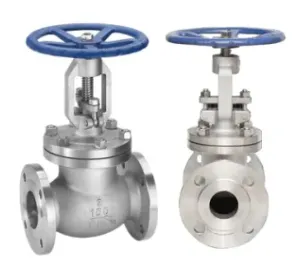
In the realm of industrial valves, the rising stem gate valve stands as a crucial component, playing a vital role in regulating the flow of various fluids. As a leading supplier of rising stem gate valves, I often encounter inquiries about the flow coefficient of these valves. In this blog post, I aim to shed light on what the flow coefficient of a rising stem gate valve is, its significance, and how it impacts the performance of the valve.
Understanding the Flow Coefficient
The flow coefficient, often denoted as Cv, is a measure of a valve's capacity to pass fluid. It is defined as the number of US gallons per minute (GPM) of water at 60°F that will flow through a valve with a pressure drop of 1 psi across the valve. In simpler terms, the flow coefficient provides an indication of how much fluid a valve can handle under specific conditions.
The concept of the flow coefficient is essential because it allows engineers and system designers to select the appropriate valve size for a given application. By knowing the required flow rate and the available pressure drop in a system, one can calculate the necessary Cv value and choose a valve that can meet those requirements.
Factors Affecting the Flow Coefficient of a Rising Stem Gate Valve
Several factors influence the flow coefficient of a rising stem gate valve. Understanding these factors is crucial for accurately predicting the valve's performance in a particular application.
Valve Size
The size of the valve is one of the most significant factors affecting the flow coefficient. Generally, larger valves have higher flow coefficients because they offer a larger cross - sectional area for fluid to pass through. For example, a 6 - inch rising stem gate valve will typically have a higher Cv value than a 2 - inch valve. As a supplier, we offer a wide range of valve sizes to meet different flow requirements. Whether you need a small - sized valve for a low - flow application or a large - sized valve for high - volume fluid transfer, we have the right product for you. You can explore our Rising Stem Flanged Gate Valve Z41H series, which comes in various sizes to suit diverse needs.
Valve Design
The design of the rising stem gate valve also plays a crucial role in determining its flow coefficient. The shape of the valve's opening, the type of gate, and the internal flow path can all impact the flow characteristics. A well - designed valve with a smooth internal flow path will have a higher flow coefficient compared to a valve with a more complex or restrictive design. Our valves are engineered with precision to ensure optimal flow performance. We use advanced manufacturing techniques to create valves with streamlined internal geometries that minimize flow resistance and maximize the flow coefficient.
Valve Trim
The valve trim, which includes components such as the gate, seat, and stem, can affect the flow coefficient. The material and finish of these components can influence the smoothness of the fluid flow. For instance, a valve with a polished gate and seat will have less friction and a higher flow coefficient than a valve with a rough - surfaced trim. We pay close attention to the quality of the valve trim in our products. Our trims are made from high - quality materials and are precision - machined to ensure a smooth and efficient flow of fluids.
Fluid Properties
The properties of the fluid being transported through the valve, such as viscosity, density, and temperature, can also impact the flow coefficient. Viscous fluids, for example, will experience more resistance to flow and may require a valve with a higher Cv value to achieve the desired flow rate. When selecting a valve, it is essential to consider the specific properties of the fluid in the application. Our technical team can provide expert advice on choosing the right valve based on the fluid properties.

Calculating the Flow Coefficient
The flow coefficient can be calculated using the following formula:
[C_v=\frac{Q}{\sqrt{\Delta P}}]
where (Q) is the flow rate in GPM and (\Delta P) is the pressure drop across the valve in psi.
However, in real - world applications, the calculation can be more complex due to factors such as fluid properties, valve design, and system characteristics. In such cases, it is often necessary to refer to the valve manufacturer's flow coefficient charts or use specialized software to accurately determine the Cv value.
As a supplier, we provide detailed technical documentation for our rising stem gate valves, including flow coefficient charts. These charts can help you select the appropriate valve size and configuration based on your specific flow requirements and pressure drop limitations.
Significance of the Flow Coefficient in Valve Selection
The flow coefficient is a critical parameter in valve selection. Choosing a valve with the right Cv value is essential for ensuring the efficient and reliable operation of a fluid system.
System Efficiency
A valve with an appropriate flow coefficient will allow the fluid to flow through the system with minimal resistance. This reduces energy consumption and improves the overall efficiency of the system. For example, in a water distribution system, using a valve with the correct Cv value can help maintain the desired flow rate while minimizing the pumping power required.
Process Control
Accurate flow control is crucial in many industrial processes. A valve with the right flow coefficient can provide precise control over the flow rate, ensuring that the process operates within the desired parameters. In chemical processing plants, for instance, precise flow control is necessary to maintain the correct chemical reactions and product quality.
Equipment Protection
Selecting a valve with the appropriate flow coefficient can also help protect other equipment in the system. A valve that is too small for the required flow rate can cause excessive pressure drop, which may lead to cavitation, noise, and damage to the valve and other components. On the other hand, a valve that is too large can result in poor flow control and inefficient operation.
Our Product Range and Flow Coefficient Considerations
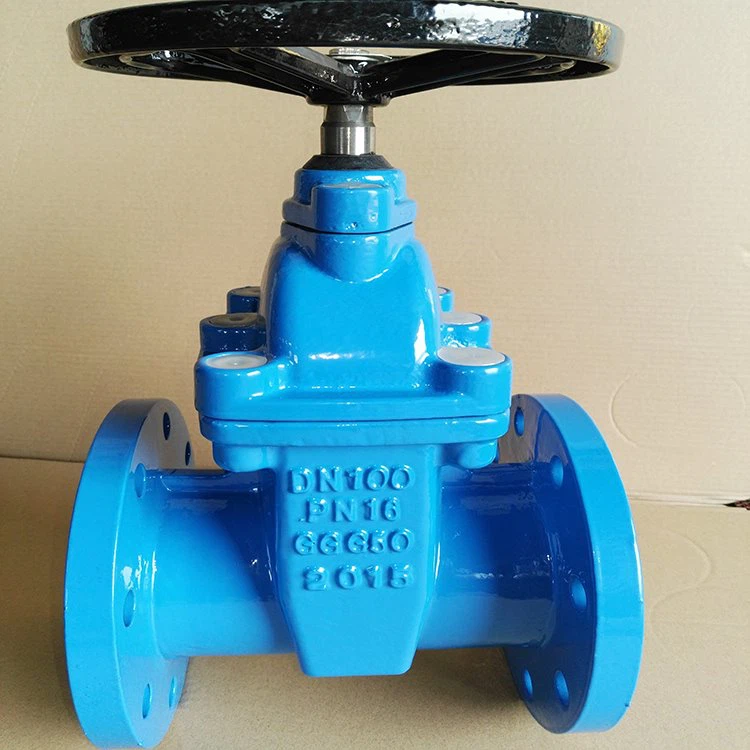
As a supplier of rising stem gate valves, we offer a diverse range of products to meet the needs of different industries. Our product portfolio includes ANSI Gate Valve ANSI and BS5163 Gate Valve BS5163, which are designed to meet international standards.
Each of our valves is carefully tested to determine its flow coefficient. We provide detailed information about the Cv values of our valves in our product catalogs and technical specifications. This allows our customers to make informed decisions when selecting a valve for their specific applications.
Contact Us for Procurement and Consultation
If you are in the market for rising stem gate valves and need assistance with valve selection based on the flow coefficient or any other technical requirements, we are here to help. Our team of experienced engineers and sales representatives can provide you with in - depth technical advice and support.
We understand that every application is unique, and we are committed to providing customized solutions to meet your specific needs. Whether you are working on a small - scale project or a large - scale industrial installation, we have the expertise and the products to ensure your success.
Feel free to reach out to us for procurement discussions. We look forward to partnering with you and providing you with high - quality rising stem gate valves that meet your flow requirements and exceed your expectations.
References
- Crane Co., "Flow of Fluids Through Valves, Fittings, and Pipe", Technical Paper No. 410.
- ASME B16.34, "Valves - Flanged, Threaded, and Welding End".
- API 600, "Steel Gate, Globe, and Check Valves".