Hey there! As a supplier of parallel gate valves, I get asked a lot about the regulations for using these valves in drinking - water systems. So, let's dive right into it.
1. Material Requirements
First off, the materials used in parallel gate valves for drinking - water systems need to meet certain standards. The valve body, gate, and other components that come into contact with drinking water should be made of materials that are non - toxic and won't leach harmful substances into the water.
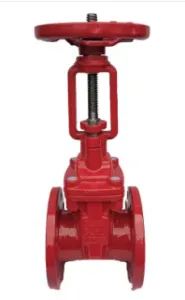
For instance, many of our valves, like the Non Rising Stem Groove Resilient Gate Valve, are made with high - quality cast iron or stainless steel. Cast iron is a popular choice because it's durable and corrosion - resistant. Stainless steel, on the other hand, offers even better resistance to corrosion and is often used in more demanding environments.
The seals and gaskets in the valve are also crucial. They should be made of elastomers that are approved for use in drinking - water applications. These elastomers need to be resistant to chemicals commonly found in water treatment processes, such as chlorine and fluorine. Our Cast Iron F4 Resilient Seated Gate Valve features high - quality resilient seats that meet these requirements.
2. Design and Construction
The design of parallel gate valves for drinking - water systems is carefully regulated. The valve should be designed to prevent any stagnant water from accumulating inside the valve body. Stagnant water can become a breeding ground for bacteria and other microorganisms, which can contaminate the drinking water.
A good parallel gate valve should have a smooth internal surface to minimize the risk of debris buildup. The gate should fit snugly against the seats to ensure a tight seal when the valve is closed. This prevents any leakage of water, which could potentially lead to water loss or contamination.
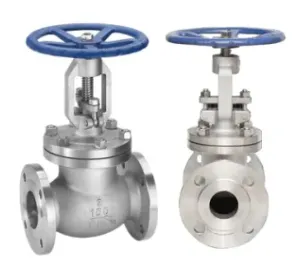
Our F4 Gate Valve F4 is designed with these principles in mind. It has a streamlined design that allows for easy flow of water and reduces the chances of debris getting trapped inside the valve.
3. Testing and Certification
Before a parallel gate valve can be used in a drinking - water system, it must undergo rigorous testing. This includes pressure testing to ensure that the valve can withstand the normal operating pressures in the water system without leaking. The valve also needs to be tested for its ability to close tightly and prevent backflow.
In addition to pressure and backflow testing, the valve may also be tested for its resistance to corrosion and its performance in different water conditions. Once the valve passes all these tests, it can be certified for use in drinking - water systems.
Certification bodies, such as NSF International, play a crucial role in ensuring that valves meet the necessary standards. Valves that are NSF - certified have been tested and verified to be safe for use in drinking - water applications. When you're looking for a parallel gate valve for your drinking - water system, make sure to choose one that has the appropriate certifications.
4. Installation and Maintenance
Proper installation and maintenance of parallel gate valves are essential for their safe and effective use in drinking - water systems. During installation, the valve should be installed in the correct orientation, as specified by the manufacturer. This ensures that the valve operates correctly and provides a tight seal.
The valve should also be installed in a location where it's easily accessible for maintenance and inspection. Regular maintenance is necessary to keep the valve in good working condition. This includes checking for any signs of leakage, corrosion, or wear and tear. The seals and gaskets may need to be replaced periodically to ensure a tight seal.
It's also important to follow the manufacturer's instructions for cleaning the valve. Using the wrong cleaning agents can damage the valve and potentially contaminate the drinking water.
5. Regulatory Compliance
There are various regulations at the local, national, and international levels that govern the use of parallel gate valves in drinking - water systems. In the United States, the Safe Drinking Water Act sets the standards for the safety of drinking water and the materials used in water systems.
Internationally, the World Health Organization (WHO) provides guidelines for the quality of drinking water, which also include requirements for the components used in water systems. As a supplier, we make sure that all our parallel gate valves comply with these regulations to ensure the safety of your drinking water.
Why Choose Our Parallel Gate Valves?
We take pride in offering high - quality parallel gate valves that meet all the necessary regulations for use in drinking - water systems. Our valves are made with the best materials, designed for optimal performance, and rigorously tested to ensure their safety and reliability.
Whether you're a water utility company, a building contractor, or a homeowner, our valves are a great choice for your drinking - water system. We offer a wide range of valve sizes and configurations to meet your specific needs.

If you're interested in learning more about our parallel gate valves or would like to discuss your specific requirements, don't hesitate to reach out. We're here to help you find the right valve for your drinking - water system and ensure that it meets all the necessary regulations.
References
- Safe Drinking Water Act, United States Environmental Protection Agency
- World Health Organization Guidelines for Drinking - Water Quality
- NSF International Standards for Drinking - Water System Components