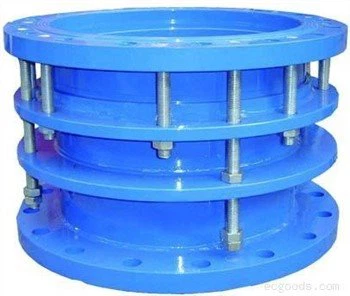
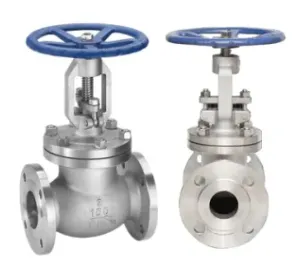
When it comes to the storage of flat gate valves, as a professional flat gate valve supplier, I understand the critical importance of proper storage conditions. These conditions not only ensure the longevity of the valves but also maintain their functionality and performance when they are eventually put into use.
Temperature and Humidity
The first and perhaps most crucial factor in storing flat gate valves is controlling the temperature and humidity of the storage environment. Extreme temperatures can have a detrimental effect on the materials used in the construction of the valves. High temperatures can cause the metal components to expand, which may lead to misalignment or even damage to the internal parts. On the other hand, low temperatures can make the materials brittle, increasing the risk of cracking during handling or installation.
Ideally, flat gate valves should be stored in an environment where the temperature ranges between 10°C and 30°C. This moderate temperature range helps to preserve the integrity of the materials. Humidity is another key aspect. High humidity levels can lead to corrosion, especially on the metal surfaces of the valves. Corrosion can weaken the structure of the valve and compromise its sealing performance. To prevent this, the relative humidity in the storage area should be kept below 60%. If the storage facility is located in an area with high humidity, dehumidifiers can be used to maintain the appropriate humidity levels.
Protection from Physical Damage
Flat gate valves are precision-engineered products, and any physical damage can significantly affect their performance. Therefore, they must be protected from impacts, scratches, and other forms of physical harm during storage. When storing the valves, they should be placed on a stable and level surface to prevent them from tipping over or being crushed. If possible, the valves should be stored in their original packaging, which is designed to provide a certain degree of protection.


In addition, it is important to ensure that the valves are not stacked too high. Excessive stacking can put too much pressure on the valves at the bottom of the stack, potentially causing deformation or damage. If multiple valves need to be stored together, they should be arranged in a way that allows for easy access and inspection. This also helps to prevent any accidental damage that may occur during the retrieval of a particular valve.
Protection from Chemicals and Contaminants
Flat gate valves can be exposed to a variety of chemicals and contaminants during storage, which can have a negative impact on their performance. For example, exposure to acids, alkalis, and other corrosive substances can cause corrosion and deterioration of the valve materials. To prevent this, the storage area should be kept clean and free from any chemicals or contaminants.
If the valves are to be stored in an industrial environment where there is a risk of chemical exposure, they should be protected with appropriate coatings or covers. These protective measures can help to prevent the chemicals from coming into contact with the valve surfaces. Additionally, the storage area should be well-ventilated to prevent the accumulation of harmful gases and fumes.
Lubrication and Sealing
Proper lubrication and sealing are essential for the smooth operation of flat gate valves. During storage, it is important to ensure that the lubricants on the valve components do not dry out or become contaminated. If the lubricants dry out, the valve may become difficult to operate, and the sealing performance may be affected.
To maintain the lubrication, the valves should be periodically inspected and, if necessary, re-lubricated. The type of lubricant used should be compatible with the valve materials and the operating conditions. In addition, the seals on the valves should be checked regularly to ensure that they are in good condition. Any damaged or worn seals should be replaced immediately to prevent leakage.
Documentation and Inventory Management
As a flat gate valve supplier, I also emphasize the importance of proper documentation and inventory management during storage. Each valve should be clearly labeled with its specifications, serial number, and other relevant information. This makes it easier to identify and track the valves during storage and retrieval.
In addition, a detailed inventory system should be maintained to keep track of the quantity, location, and condition of the valves. This helps to ensure that the valves are stored in an organized manner and that they can be easily located when needed. Regular inventory checks should be conducted to identify any missing or damaged valves and to take appropriate action.
Additional Considerations for Different Types of Flat Gate Valves
It is important to note that different types of flat gate valves may have specific storage requirements. For example, Resilient Seated Gate Valve are designed with a resilient seat that provides a tight seal. When storing these valves, extra care should be taken to protect the resilient seat from damage. The seat should be kept clean and free from any debris or contaminants that could affect its sealing performance.
Cast Iron F4 Resilient Seated Gate Valve are made of cast iron, which is prone to corrosion. Therefore, these valves should be stored in a dry environment and protected with a suitable anti-corrosion coating. Regular inspections should be conducted to check for any signs of corrosion and to take appropriate measures to prevent its spread.
Rising Stem Gate Valve have a rising stem that moves up and down as the valve is opened and closed. When storing these valves, the stem should be protected to prevent it from being bent or damaged. The stem should also be kept clean and lubricated to ensure smooth operation.
In conclusion, proper storage conditions are essential for maintaining the quality and performance of flat gate valves. By controlling the temperature and humidity, protecting the valves from physical damage, chemicals, and contaminants, and ensuring proper lubrication and sealing, we can ensure that the valves are in good condition when they are ready to be used. As a reliable flat gate valve supplier, we are committed to providing high-quality valves and ensuring that they are stored and handled properly. If you are interested in purchasing flat gate valves or have any questions about their storage and maintenance, please feel free to contact us for further discussion and negotiation.
References
- ASME B16.34 - Valves - Flanged, Threaded, and Welded End
- API 600 - Steel Gate, Globe, and Check Valves
- ISO 5208 - Industrial valves - Pressure testing of valves