What are the standards for rubber elbows?
As a seasoned supplier of rubber elbows, I've witnessed firsthand the pivotal role these components play in various industrial applications. Rubber elbows are essential in piping systems, offering flexibility, vibration isolation, and resistance to corrosion and chemicals. But what exactly are the standards that govern these crucial parts? Let's delve into the details.
Material Standards
The quality of rubber elbows starts with the materials used in their production. The rubber compound must be carefully selected based on the specific application requirements. For instance, in applications where the elbow will be exposed to high temperatures, a heat - resistant rubber such as EPDM (Ethylene Propylene Diene Monomer) might be the ideal choice. EPDM offers excellent resistance to heat, ozone, and weathering, making it suitable for outdoor and high - temperature industrial environments.
On the other hand, if the rubber elbow is to be used in contact with oil or petroleum - based products, Nitrile Butadiene Rubber (NBR) is a better option. NBR has outstanding oil resistance, which ensures the elbow's integrity in applications such as fuel lines and hydraulic systems.
In addition to the rubber compound, the reinforcement materials are also critical. Most rubber elbows are reinforced with fabric or steel cords to enhance their strength and pressure - bearing capacity. The fabric should be of high - quality, with good adhesion to the rubber, and the steel cords should be properly coated to prevent corrosion.
Dimensional Standards
Accurate dimensions are crucial for the proper installation and performance of rubber elbows. The inner diameter (ID), outer diameter (OD), and wall thickness of the elbow must conform to the specified standards. These dimensions are typically determined by the piping system requirements and the flow rate of the fluid or gas passing through the elbow.
The bend angle of the rubber elbow is another important dimensional parameter. Common bend angles include 45 degrees, 90 degrees, and 180 degrees. The bend radius also needs to be carefully controlled. A proper bend radius ensures smooth flow of the medium through the elbow, reducing pressure drop and minimizing the risk of turbulence.


In the international market, dimensional standards are often based on ISO (International Organization for Standardization) or ASME (American Society of Mechanical Engineers) specifications. These standards provide a common framework for manufacturers and users, ensuring compatibility and interchangeability of rubber elbows across different systems.
Performance Standards
Performance standards for rubber elbows cover a wide range of aspects, including pressure rating, temperature range, and chemical resistance.
The pressure rating indicates the maximum pressure that the rubber elbow can withstand without failure. This is determined by factors such as the rubber compound, reinforcement materials, and wall thickness. A higher pressure rating is required for applications in high - pressure piping systems, such as in the oil and gas industry or in high - rise building plumbing systems.
The temperature range specifies the minimum and maximum temperatures at which the rubber elbow can operate effectively. Different rubber compounds have different temperature tolerances. For example, silicone rubber can withstand extremely high temperatures, up to 200 - 300 degrees Celsius, while some other rubbers may have a more limited temperature range.
Chemical resistance is also a vital performance criterion. Rubber elbows may come into contact with various chemicals, such as acids, alkalis, solvents, and oils. The rubber compound must be able to resist the corrosive effects of these chemicals to ensure long - term performance.
Testing and Certification Standards
To ensure that rubber elbows meet the required standards, rigorous testing is carried out during the manufacturing process. Some of the common tests include pressure testing, temperature cycling tests, and chemical immersion tests.
Pressure testing involves subjecting the rubber elbow to a specified pressure for a certain period to check for leaks or structural failures. Temperature cycling tests simulate the temperature variations that the elbow may encounter in real - world applications, ensuring its stability under different thermal conditions. Chemical immersion tests evaluate the rubber's resistance to different chemicals by immersing the elbow in the relevant chemical solutions for a set period.
Certification is an important aspect of quality assurance. Rubber elbows that meet international standards such as ISO 9001 (Quality Management System) and ISO 14001 (Environmental Management System) are more likely to be reliable and of high quality. Other industry - specific certifications may also be required depending on the application, such as API (American Petroleum Institute) certification for rubber elbows used in the oil and gas industry.
Our Offerings as a Rubber Elbow Supplier
At our company, we are committed to producing rubber elbows that meet the highest standards. We source the best raw materials and use advanced manufacturing processes to ensure the quality and performance of our products.
Our product range includes a variety of rubber elbows with different dimensions, bend angles, and rubber compounds to meet the diverse needs of our customers. Whether you need a rubber elbow for a small - scale plumbing project or a large - scale industrial application, we have the right solution for you.
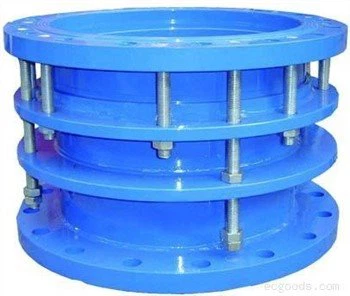
In addition to rubber elbows, we also offer related products such as Flange Pipe Expansion Joint and Double Flange Expansion Joint. These expansion joints are designed to absorb movement and vibration in piping systems, further enhancing the overall performance and reliability of the system.
Why Choose Us?
- Quality Assurance: Our rubber elbows are thoroughly tested and certified to meet international standards, ensuring long - term reliability and performance.
- Customization: We understand that every customer's needs are unique. We offer customized solutions to meet specific requirements, including special dimensions, rubber compounds, and performance specifications.
- Technical Support: Our team of experienced engineers and technicians is available to provide technical support and advice throughout the entire process, from product selection to installation and maintenance.
If you are in the market for high - quality rubber elbows or related products, we invite you to contact us for a detailed discussion. Our sales team will be happy to assist you in finding the most suitable products for your application and provide you with a competitive quote. Let's work together to ensure the success of your projects with our top - notch rubber elbow solutions.
References
- ISO standards for rubber products
- ASME standards for piping components
- API standards for oil and gas industry equipment