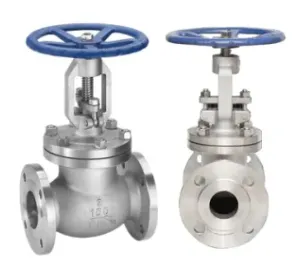
When it comes to industrial applications, ANSI Gate Valves are a staple in fluid control systems. As a trusted supplier of ANSI Gate Valves, I've had the privilege of witnessing these valves in action across a wide range of industries. One of the most frequently asked questions I encounter is about the service life of ANSI Gate Valves. In this blog post, I'll delve into the factors that influence the service life of these valves, share some insights on how to extend their longevity, and provide some guidance on when it might be time for a replacement.
Understanding ANSI Gate Valves
Before we discuss the service life, it's important to understand what ANSI Gate Valves are. ANSI, or the American National Standards Institute, sets the standards for gate valves in terms of dimensions, pressure ratings, and material requirements. These valves are designed to control the flow of liquids and gases by using a gate that slides up and down to either block or allow passage. They are commonly used in industries such as oil and gas, water treatment, power generation, and chemical processing.
Factors Affecting the Service Life of ANSI Gate Valves
The service life of an ANSI Gate Valve can vary significantly depending on several factors. Here are some of the key factors that can influence how long a valve will last:
1. Material Quality
The materials used in the construction of the valve play a crucial role in determining its service life. High-quality materials are more resistant to corrosion, erosion, and wear, which can significantly extend the valve's lifespan. For example, valves made from stainless steel or alloy materials are often more durable than those made from carbon steel, especially in harsh environments.
2. Operating Conditions
The conditions under which the valve operates can have a major impact on its service life. Factors such as temperature, pressure, flow rate, and the type of fluid being handled can all affect the valve's performance and durability. For instance, valves operating in high-temperature or high-pressure environments may experience more stress and wear, which can shorten their lifespan. Similarly, valves handling abrasive or corrosive fluids may require more frequent maintenance and replacement.
3. Installation and Maintenance
Proper installation and maintenance are essential for ensuring the long-term performance of ANSI Gate Valves. Incorrect installation can lead to leaks, misalignment, and premature wear, while inadequate maintenance can result in the buildup of dirt, debris, and corrosion, which can also shorten the valve's lifespan. Regular inspection, lubrication, and repair can help to identify and address potential issues before they become major problems.
4. Frequency of Use
The frequency with which the valve is used can also affect its service life. Valves that are used frequently may experience more wear and tear than those that are used less often. Additionally, valves that are subjected to frequent cycling (opening and closing) may be more prone to mechanical failure.


Extending the Service Life of ANSI Gate Valves
While the service life of ANSI Gate Valves can be influenced by many factors, there are several steps that can be taken to extend their longevity. Here are some tips on how to get the most out of your valves:
1. Choose the Right Valve for the Application
Selecting the appropriate valve for your specific application is crucial for ensuring its long-term performance. Consider factors such as the type of fluid being handled, the operating conditions, and the required flow rate when choosing a valve. For example, if you're dealing with a corrosive fluid, you may want to choose a valve made from a corrosion-resistant material.
2. Follow Proper Installation Procedures
Proper installation is essential for ensuring the proper functioning of the valve. Make sure to follow the manufacturer's installation instructions carefully, and use the correct tools and techniques. Improper installation can lead to leaks, misalignment, and premature wear, which can shorten the valve's lifespan.
3. Implement a Regular Maintenance Program
Regular maintenance is key to extending the service life of ANSI Gate Valves. Develop a maintenance schedule that includes regular inspections, lubrication, and repair. Inspect the valve for signs of wear, corrosion, and leaks, and replace any worn or damaged parts as needed. Lubricate the valve regularly to ensure smooth operation and prevent corrosion.
4. Monitor Operating Conditions
Keep an eye on the operating conditions of the valve, such as temperature, pressure, and flow rate. If you notice any changes in these conditions, investigate the cause and take appropriate action. For example, if the temperature or pressure exceeds the recommended limits, you may need to adjust the operating conditions or replace the valve.
5. Train Operators Properly
Proper training of operators is essential for ensuring the safe and efficient operation of ANSI Gate Valves. Make sure that operators are familiar with the valve's operation, maintenance, and safety procedures. Provide them with the necessary training and resources to perform their jobs effectively.
When to Replace ANSI Gate Valves
Despite your best efforts to extend the service life of your ANSI Gate Valves, there will come a time when they need to be replaced. Here are some signs that it may be time to replace a valve:
1. Leaks
If you notice any leaks around the valve, it's a clear sign that the valve is not functioning properly. Leaks can be caused by a variety of factors, such as worn seals, damaged seats, or misalignment. If the leaks cannot be repaired, it may be time to replace the valve.
2. Excessive Wear or Damage
Over time, ANSI Gate Valves can experience wear and damage due to normal use. If you notice any signs of excessive wear, such as cracks, corrosion, or erosion, it may be time to replace the valve. Additionally, if the valve is damaged beyond repair, it will need to be replaced.
3. Poor Performance
If the valve is not performing as expected, such as not opening or closing properly, or if it is causing a significant drop in pressure or flow rate, it may be time to replace the valve. Poor performance can be caused by a variety of factors, such as worn parts, debris buildup, or mechanical failure.
4. Age
Even if the valve is still functioning properly, it may be time to replace it if it has reached the end of its expected service life. The service life of an ANSI Gate Valve can vary depending on several factors, but as a general rule, valves should be replaced every 10 to 15 years.
Conclusion
The service life of ANSI Gate Valves can vary significantly depending on several factors, including material quality, operating conditions, installation and maintenance, and frequency of use. By choosing the right valve for the application, following proper installation and maintenance procedures, and monitoring operating conditions, you can extend the service life of your valves and ensure their long-term performance. However, if you notice any signs of leaks, excessive wear or damage, poor performance, or if the valve has reached the end of its expected service life, it may be time to replace the valve.
As a supplier of ANSI Gate Valves, I'm committed to providing high-quality products and excellent customer service. If you have any questions about the service life of ANSI Gate Valves, or if you're looking for a reliable supplier of gate valves, please don't hesitate to [contact us for procurement and negotiation]. We offer a wide range of gate valves, including F4 Gate Valve F4, Non stem Flanged Gate Valve Z45H, and Non-rising Stem Gate Valve. Our team of experts can help you choose the right valve for your specific application and provide you with the support and guidance you need to ensure its long-term performance.
References
- American National Standards Institute (ANSI). (Year). ANSI standards for gate valves.
- Valve Manufacturers Association (VMA). (Year). Best practices for valve installation and maintenance.
- Industry publications and technical resources on gate valves.