When it comes to selecting the right butterfly valve for your specific needs, understanding the differences between bronze and cast iron butterfly valves is crucial. As a supplier of bronze butterfly valves, I've encountered numerous customers who are often torn between these two options. In this blog post, I'll delve into the characteristics, advantages, and applications of both bronze and cast iron butterfly valves to help you make an informed decision.
Material Composition and Properties
Bronze is an alloy primarily composed of copper and tin, with small amounts of other elements such as zinc, lead, or phosphorus. This combination gives bronze excellent corrosion resistance, making it suitable for use in a wide range of environments, including those with high humidity, saltwater, or chemicals. Bronze is also relatively soft and malleable, which allows for easy machining and shaping.
On the other hand, cast iron is a group of iron - carbon alloys with a carbon content greater than 2%. It is known for its high strength, hardness, and wear resistance. Cast iron is brittle compared to bronze, which means it can crack under sudden impact or stress. However, it is also more cost - effective than bronze due to the lower cost of raw materials.
Corrosion Resistance
One of the most significant differences between bronze and cast iron butterfly valves is their corrosion resistance. Bronze butterfly valves offer superior corrosion resistance, especially in aggressive environments. The copper in bronze forms a protective oxide layer on the surface, which prevents further corrosion. This makes bronze valves ideal for applications in the marine industry, chemical processing plants, and water treatment facilities.
Cast iron, while it can be coated to improve its corrosion resistance, is more prone to rust and corrosion, especially in wet or acidic environments. Over time, corrosion can weaken the valve structure and affect its performance. In applications where corrosion is a major concern, bronze butterfly valves are the clear choice.
Strength and Durability
In terms of strength, cast iron butterfly valves are generally stronger and more durable than bronze valves. Cast iron's high carbon content gives it excellent compressive strength, allowing it to withstand high - pressure applications. This makes cast iron valves suitable for use in industries such as oil and gas, power generation, and heavy - duty water distribution systems.
Bronze valves, while not as strong as cast iron in terms of compressive strength, are more ductile. This means they can bend and deform slightly under stress without breaking. In applications where vibration or shock is a concern, bronze valves may be more suitable as they can absorb some of the energy and prevent damage.
Cost
Cost is often a deciding factor when choosing between bronze and cast iron butterfly valves. Cast iron valves are typically less expensive than bronze valves. The raw materials for cast iron are more abundant and cheaper, and the manufacturing process for cast iron valves is also more straightforward. This makes cast iron a popular choice for applications where cost is a major consideration and corrosion resistance is not a critical factor.
Bronze valves, due to the higher cost of raw materials and more complex manufacturing processes, are more expensive. However, the long - term benefits of corrosion resistance and durability may outweigh the initial cost in many applications.
Applications
The choice between bronze and cast iron butterfly valves also depends on the specific application.
Bronze butterfly valves are commonly used in applications where corrosion resistance is essential. For example, in the food and beverage industry, bronze valves are preferred because they do not contaminate the product and can withstand the cleaning agents used in the industry. They are also widely used in the water treatment industry, where they are exposed to various chemicals and water conditions. You can explore our Lug Type Rubber Seal Butterfly Valve OEM for such applications.
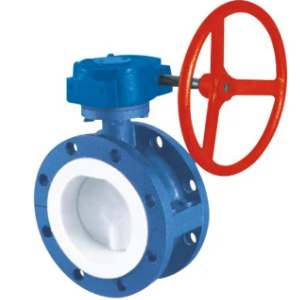
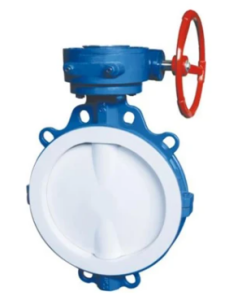
Cast iron butterfly valves are often used in high - pressure and high - flow applications, such as in the oil and gas industry, power plants, and large - scale water pipelines. Their strength and durability make them suitable for handling large volumes of fluids under high pressure. Our Flange Type PTFE Lined Full Fluorine Butterfly Valve and Wormgear Double Flanged Butterfly Valves are examples of cast iron valves that can meet these requirements.
Maintenance
Maintenance requirements also differ between bronze and cast iron butterfly valves. Bronze valves generally require less maintenance due to their corrosion resistance. They can operate for long periods without significant wear or damage, and only occasional cleaning and lubrication may be needed.
Cast iron valves, especially those in corrosive environments, may require more frequent maintenance. This can include regular inspections for corrosion, coating repairs, and replacement of damaged parts. Failure to maintain cast iron valves properly can lead to premature failure and costly downtime.
Aesthetic Appeal
In some applications, the aesthetic appeal of the valve may also be a consideration. Bronze has a warm, golden - brown color that can enhance the appearance of the valve. This makes bronze butterfly valves a popular choice for applications where the valve is visible, such as in architectural or decorative installations.
Cast iron, with its dull gray color, is less aesthetically appealing. However, it can be painted or coated to improve its appearance if necessary.
Conclusion
In conclusion, the choice between a bronze and a cast iron butterfly valve depends on several factors, including the application environment, pressure requirements, corrosion concerns, cost, and aesthetic preferences. Bronze butterfly valves offer superior corrosion resistance and ductility, making them ideal for applications in aggressive environments and where vibration is a concern. Cast iron butterfly valves, on the other hand, are stronger, more cost - effective, and suitable for high - pressure and high - flow applications.
If you are still unsure which type of butterfly valve is right for your application, our team of experts is here to help. We can provide you with detailed technical information and guidance based on your specific requirements. Whether you need a Lug Type Rubber Seal Butterfly Valve OEM, a Flange Type PTFE Lined Full Fluorine Butterfly Valve, or a Wormgear Double Flanged Butterfly Valves, we have a wide range of products to meet your needs. Contact us today to discuss your valve requirements and start the procurement process.
References
- ASM Handbook, Volume 1: Properties and Selection: Irons, Steels, and High - Performance Alloys
- Valve Handbook, Second Edition by Ernest O. Doebelin
- Corrosion Resistance of Metals and Alloys by Pierre R. Roberge