Hey there! I'm a supplier of pipe fittings, and I know firsthand how big of a headache corrosion can be. Corrosion not only shortens the lifespan of pipe fittings but also leads to leaks and other issues that can disrupt operations and cost a fortune in repairs. So, I'm here to share some tips on how you can protect your pipe fittings from corrosion.
Understanding Corrosion
Before we dive into the protection methods, let's quickly understand what corrosion is. Corrosion is a natural process that occurs when metals react with their environment, usually oxygen and water. This reaction forms metal oxides or hydroxides, which we commonly know as rust. Different factors can accelerate corrosion, such as the type of metal, the presence of contaminants in the water, temperature, and pH levels.
Choose the Right Materials
One of the most effective ways to prevent corrosion is to choose the right materials for your pipe fittings. Some metals are more resistant to corrosion than others. For example, stainless steel is a popular choice because it contains chromium, which forms a thin, protective oxide layer on the surface of the metal. This layer acts as a barrier, preventing oxygen and water from reaching the metal underneath.
Another option is copper. Copper is naturally resistant to corrosion and has excellent antimicrobial properties. It's commonly used in plumbing systems because it can withstand a wide range of temperatures and water conditions.
If you're working in a highly corrosive environment, you might want to consider using non - metallic materials like PVC (polyvinyl chloride) or CPVC (chlorinated polyvinyl chloride). These materials are lightweight, easy to install, and highly resistant to corrosion. They're often used in chemical processing plants and water treatment facilities.
Apply Protective Coatings
Applying a protective coating to your pipe fittings can significantly reduce the risk of corrosion. There are several types of coatings available, each with its own advantages.
- Epoxy Coatings: Epoxy coatings are known for their excellent adhesion and chemical resistance. They form a tough, protective layer on the surface of the pipe fitting, preventing moisture and chemicals from reaching the metal. Epoxy coatings can be applied to both the interior and exterior of the pipe fittings.
- Zinc Coatings: Zinc coatings, such as galvanizing, are another popular choice. Zinc is more reactive than many other metals, so it corrodes first, sacrificing itself to protect the underlying metal. Galvanized pipe fittings are commonly used in outdoor applications and in areas where the water has a high mineral content.
- Polyurethane Coatings: Polyurethane coatings offer good flexibility and abrasion resistance. They can withstand harsh environmental conditions and are often used in industrial applications where the pipe fittings are exposed to mechanical stress and chemical splashes.
Control the Environment
The environment in which your pipe fittings operate plays a crucial role in corrosion prevention. Here are some ways you can control the environment to reduce the risk of corrosion.
- Water Treatment: If your pipe fittings are used in a water system, proper water treatment is essential. You can use water softeners to remove minerals like calcium and magnesium, which can cause scale buildup and accelerate corrosion. You can also add corrosion inhibitors to the water. These chemicals form a protective film on the surface of the metal, preventing corrosion.
- Temperature and Humidity Control: High temperatures and humidity can speed up the corrosion process. In industrial settings, you can use air conditioning and dehumidification systems to maintain a stable environment. In outdoor applications, you can insulate the pipe fittings to prevent condensation and reduce the temperature fluctuations.
- Avoid Contact with Corrosive Substances: Make sure your pipe fittings are not in contact with corrosive substances such as acids, alkalis, and salts. If they are used in an area where these substances are present, take appropriate measures to protect them, such as using protective barriers or enclosures.
Regular Inspection and Maintenance
Regular inspection and maintenance are key to detecting and preventing corrosion early. Here's what you can do:
- Visual Inspection: Conduct regular visual inspections of your pipe fittings. Look for signs of rust, discoloration, or pitting on the surface of the fittings. If you notice any of these signs, take immediate action to address the issue.
- Non - Destructive Testing: In addition to visual inspection, you can use non - destructive testing methods such as ultrasonic testing or magnetic particle testing to detect internal corrosion. These methods can help you identify corrosion that is not visible on the surface.
- Repair and Replacement: If you find any corroded pipe fittings during your inspection, repair or replace them as soon as possible. Ignoring corroded fittings can lead to more severe problems down the line.
Specific Solutions for Different Pipe Fittings
Let's talk about some specific solutions for different types of pipe fittings.


- Flanges: Flanges are vulnerable to corrosion at the contact surfaces and the bolt holes. You can use flange protectors to prevent moisture and contaminants from getting into these areas. Also, make sure to use high - quality gaskets that are resistant to corrosion. For more information on flange pipe expansion joints, you can check out Flange Pipe Expansion Joint.
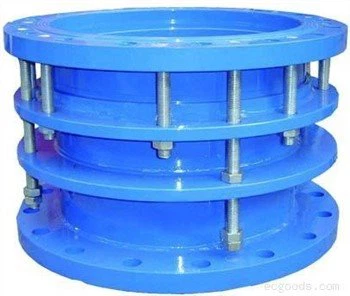
- Expansion Joints: Expansion joints are designed to absorb movement and vibration in the pipe system. They are often exposed to harsh environmental conditions, so they need special protection. You can choose expansion joints made of corrosion - resistant materials or apply a protective coating to them. The Double Flange Expansion Joint is a great option for applications where additional protection is required.
Conclusion
Protecting your pipe fittings from corrosion is not a one - time task but an ongoing process. By choosing the right materials, applying protective coatings, controlling the environment, and conducting regular inspections and maintenance, you can significantly extend the lifespan of your pipe fittings and avoid costly repairs.
If you're in the market for high - quality pipe fittings or need more advice on corrosion prevention, don't hesitate to reach out. I'm always here to help you find the best solutions for your needs. Whether you're working on a small plumbing project or a large industrial installation, I can provide you with the right products and guidance. Let's start a conversation and see how we can work together to keep your pipe systems in top shape!
References
- "Corrosion Prevention and Control in the Oil and Gas Industry" by National Association of Corrosion Engineers (NACE)
- "Handbook of Corrosion Engineering" by Pierre R. Roberge
- "Pipe Fitting Handbook" by various industry experts