Hey there! As a supplier of check valves, I've been thinking a lot about the environmental impact of these little but crucial components. Check valves are everywhere - in water systems, industrial processes, and even in our homes. They play a vital role in controlling the flow of fluids, making sure it goes in one direction only. But what about their impact on the environment? Let's dive in and find out.
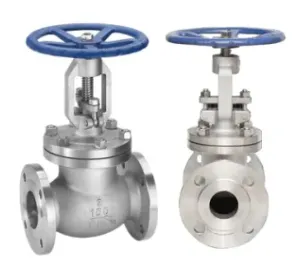
First off, let's talk about the materials used in check valves. We offer a wide range of check valves, including the Wafer Lug Swing Slot End Flanged Cast Iron Stainless Steel Check Valve For Water Fire Protection. Cast iron and stainless steel are common materials for check valves. Cast iron is known for its durability and strength. It can withstand high pressures and harsh environments, which means fewer replacements over time. This is great for the environment because less frequent manufacturing and disposal of valves reduce energy consumption and waste generation.
Stainless steel, on the other hand, is corrosion-resistant. It doesn't rust easily, even when exposed to water or chemicals. This property extends the lifespan of the check valve, again reducing the need for new production. And when it comes to recycling, both cast iron and stainless steel are highly recyclable materials. Once a check valve reaches the end of its useful life, a significant portion of it can be melted down and reused to make new products. This closed-loop recycling process helps conserve natural resources and minimizes the environmental footprint associated with mining and refining new metals.


We also have Copper Check Valve in our product lineup. Copper is another excellent material for check valves. It has antimicrobial properties, which are particularly useful in water systems. In drinking water applications, copper check valves can help prevent the growth of harmful bacteria, reducing the need for chemical disinfectants. This not only benefits public health but also has a positive environmental impact. Chemical disinfectants often have negative effects on the environment, such as polluting water sources and harming aquatic life.
Moreover, copper is a very conductive material. In some industrial processes where heat transfer is involved, copper check valves can contribute to more efficient energy use. They allow for better control of fluid flow, which in turn can optimize the overall energy consumption of the system. And like cast iron and stainless steel, copper is highly recyclable. Recycling copper requires much less energy compared to mining and refining new copper, making it an environmentally friendly choice.
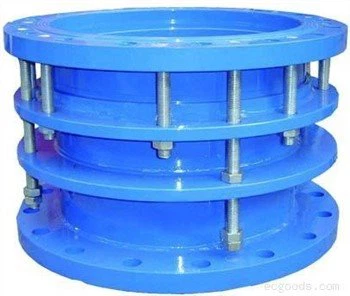
Another type of check valve we supply is the Ductile Cast Wafer Check Valves. Ductile cast iron offers a good balance between strength and flexibility. It can handle high pressures and also absorb shocks and vibrations. This makes it suitable for a variety of applications, from water treatment plants to oil and gas pipelines. The long service life of ductile cast wafer check valves means less waste and lower environmental impact.
Now, let's consider the energy efficiency aspect of check valves. Check valves are designed to prevent backflow, which is essential for maintaining the efficiency of fluid systems. In a water supply system, for example, a properly functioning check valve ensures that water flows in the right direction, reducing the energy required to pump the water. If there were no check valves, water could flow back, causing the pump to work harder and consume more energy. This increased energy consumption not only costs more money but also has a greater environmental impact, as most of our energy still comes from non-renewable sources like coal and natural gas.
In industrial settings, check valves play a similar role in optimizing energy use. They help control the flow of fluids in complex processes, ensuring that equipment operates at its peak efficiency. This reduces the overall energy demand of the industry, which is a significant step towards a more sustainable future.
However, it's not all sunshine and rainbows. There are also some potential environmental challenges associated with check valves. For instance, during the manufacturing process, energy is consumed, and pollutants can be released into the environment. The production of metals like cast iron, stainless steel, and copper involves high temperatures and various chemical processes. These processes can emit greenhouse gases, such as carbon dioxide, which contribute to climate change.
To address these issues, we're constantly looking for ways to improve our manufacturing processes. We're investing in more energy-efficient technologies and adopting cleaner production methods. For example, we're exploring the use of renewable energy sources in our factories to reduce our carbon footprint. We're also working on reducing waste and emissions during the manufacturing process by implementing better waste management systems and pollution control measures.
Another challenge is the disposal of old or damaged check valves. If not properly managed, these valves can end up in landfills, where they may take a long time to decompose and could potentially leach harmful substances into the soil and groundwater. To mitigate this, we encourage our customers to recycle their old check valves. We can even assist in the recycling process by providing information on local recycling facilities and offering take-back programs in some cases.
In conclusion, check valves have both positive and negative environmental impacts. On the one hand, they contribute to energy efficiency and resource conservation through their long service life and recyclable materials. On the other hand, the manufacturing and disposal processes can pose environmental challenges. As a check valve supplier, we're committed to minimizing the negative impacts and maximizing the positive ones.
If you're interested in learning more about our check valves or have any questions regarding their environmental impact, feel free to reach out. We're always happy to have a chat and help you find the right check valve for your needs. Whether you're in the water industry, industrial manufacturing, or any other sector that requires fluid control, we've got the solutions for you. Let's work together to make your operations more efficient and environmentally friendly.
References
- "Materials and Manufacturing Processes in Valve Industry" - Journal of Industrial Engineering
- "Energy Efficiency in Fluid Systems with Check Valves" - International Journal of Energy Management
- "Recycling of Metals in the Valve Sector" - Environmental Science and Technology Review