Hey there! I'm a supplier of pipe fittings, and today I wanna chat about something super important: the effect of water quality on pipe fittings. Water is everywhere in our lives, and it's used in all sorts of industrial, commercial, and residential settings. But not all water is created equal, and the quality of water can have a huge impact on the performance and lifespan of pipe fittings.
Let's start with the basics. Water quality can be affected by a bunch of factors, like the source of the water (is it from a river, a well, or a municipal supply?), the presence of contaminants (such as chemicals, minerals, and microorganisms), and the pH level. Each of these factors can cause different types of problems for pipe fittings.
One of the most common issues is corrosion. When water contains high levels of dissolved oxygen, salts, or acids, it can cause the metal in pipe fittings to corrode. Corrosion can weaken the structure of the fittings, leading to leaks and even pipe failures. For example, in areas with hard water, which has a high concentration of minerals like calcium and magnesium, scale can build up inside the pipes. This scale not only restricts the flow of water but also creates a rough surface that can accelerate corrosion.
Another problem is the growth of biofilms. Microorganisms in water can attach to the inner surface of pipe fittings and form a slimy layer called a biofilm. Biofilms can harbor harmful bacteria and other pathogens, which can pose a health risk to people using the water. They can also reduce the efficiency of the pipes by increasing friction and blocking the flow of water.
The pH level of water is also crucial. Water that is too acidic or too alkaline can be corrosive to pipe fittings. Acidic water can dissolve the protective oxide layer on the surface of metal pipes, making them more susceptible to corrosion. On the other hand, alkaline water can cause scaling and deposits to form inside the pipes.
Now, let's talk about how these water - quality issues can affect different types of pipe fittings.
Effect on Metal Pipe Fittings
Metal pipe fittings, such as those made of steel, copper, or brass, are widely used in plumbing systems. As I mentioned earlier, corrosion is a major concern for these fittings. For steel pipe fittings, rust can form when they come into contact with water containing oxygen and moisture. This rust can eat away at the metal, reducing the wall thickness of the pipes and eventually causing leaks.
Copper pipe fittings are also vulnerable to corrosion, especially in water with high levels of chlorine or sulfur. Pitting corrosion can occur, where small holes form on the surface of the copper, leading to leaks. Brass fittings, which are an alloy of copper and zinc, can experience dezincification. This is a process where the zinc in the brass is selectively removed by the water, leaving behind a porous and weak copper - rich layer.
Effect on Plastic Pipe Fittings
Plastic pipe fittings, like those made of PVC (polyvinyl chloride) or PEX (cross - linked polyethylene), are often considered more resistant to corrosion than metal fittings. However, they are not immune to the effects of water quality.
For PVC pipes, certain chemicals in the water can cause the plastic to become brittle over time. Chlorine, which is commonly used to disinfect water, can react with the PVC and break down its molecular structure. This can lead to cracking and failure of the pipe fittings.
PEX pipes can be affected by the presence of oxygen in the water. Oxygen can cause oxidation of the PEX material, which can lead to a reduction in its mechanical properties and an increase in the risk of leaks.
How to Mitigate the Effects
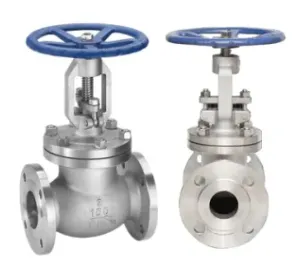
As a pipe - fitting supplier, I know that it's important to take steps to mitigate the effects of water quality on pipe fittings. One option is to use corrosion - resistant materials. For example, stainless - steel pipe fittings are more resistant to corrosion than regular steel fittings. They contain chromium, which forms a protective oxide layer on the surface of the metal, preventing corrosion.
Another solution is to treat the water before it enters the pipes. Water treatment methods can include filtration, softening, and pH adjustment. Filtration can remove suspended solids and some microorganisms from the water. Water softeners can reduce the hardness of the water by removing calcium and magnesium ions. pH adjustment can be done by adding chemicals to make the water more neutral.
Proper installation and maintenance of pipe fittings are also crucial. Make sure that the pipes are installed correctly, with proper support and alignment. Regularly inspect the pipes for signs of corrosion, leaks, or other damage. Replace any damaged or worn - out pipe fittings promptly.


Our Pipe Fitting Solutions
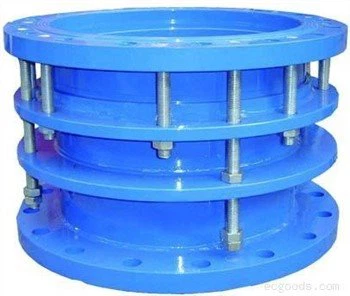
At our company, we offer a wide range of pipe fittings that are designed to withstand different water - quality conditions. For example, we have Flange Pipe Expansion Joint which can accommodate thermal expansion and contraction of pipes, reducing the stress on the fittings and preventing leaks. Our Double Flange Expansion Joint is another great option for applications where there is a need for greater flexibility and movement.
If you're facing issues with water quality affecting your pipe fittings, or if you're planning a new plumbing project, we'd love to help. We have a team of experts who can provide you with advice on the best pipe - fitting solutions for your specific needs. Whether it's choosing the right material, size, or type of fitting, we've got you covered.
So, if you're interested in learning more about our pipe fittings or if you want to discuss your project in detail, don't hesitate to reach out. We're here to help you make the right choices and ensure the long - term performance of your plumbing systems. Contact us today to start the conversation, and let's work together to find the perfect pipe - fitting solutions for you.
References
- "Water Quality and Its Impact on Plumbing Systems" - Journal of Plumbing Engineering
- "Corrosion of Metal Pipes in Water Distribution Systems" - International Journal of Corrosion Science
- "The Effects of Microorganisms on Pipe Fittings" - Water Research Journal