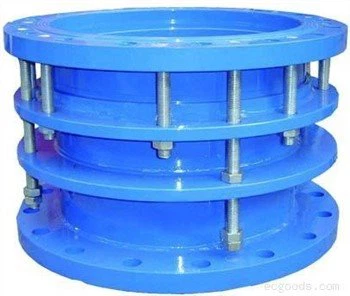
What is the Service Life of a Dismantling Joint?
As a supplier of dismantling joints, I often get asked about the service life of these essential pipe fittings. Dismantling joints play a crucial role in various piping systems, allowing for easy installation, removal, and maintenance of pipes. Understanding their service life is vital for ensuring the long - term efficiency and reliability of the entire piping infrastructure.
Factors Affecting the Service Life of Dismantling Joints
Material Quality
The quality of materials used in manufacturing dismantling joints is one of the most significant factors influencing their service life. High - grade materials such as ductile iron, stainless steel, and carbon steel offer better resistance to corrosion, wear, and mechanical stress. For instance, stainless steel dismantling joints are highly resistant to rust and chemical corrosion, making them suitable for use in harsh environments like chemical processing plants or coastal areas where saltwater exposure is a concern. On the other hand, low - quality materials may start to deteriorate quickly, leading to leaks, reduced performance, and a shorter service life.
Operating Conditions
The conditions under which the dismantling joints operate have a profound impact on their longevity. Temperature, pressure, and the nature of the fluid flowing through the pipes are all critical factors. In high - temperature applications, such as in power plants or industrial furnaces, the materials of the dismantling joint may expand and contract, causing stress on the joints over time. Similarly, high - pressure systems require joints that can withstand the force exerted by the fluid. If the operating pressure exceeds the rated capacity of the joint, it can lead to premature failure.
The type of fluid flowing through the pipes also matters. Aggressive chemicals, abrasive slurries, or high - velocity fluids can cause erosion, corrosion, or abrasion of the joint surfaces. For example, in a mining operation where abrasive slurries are transported, the inner surfaces of the dismantling joint may wear out faster, reducing its service life.
Installation and Maintenance
Proper installation is essential for maximizing the service life of dismantling joints. Incorrect installation, such as improper alignment, over - tightening or under - tightening of bolts, can lead to uneven stress distribution and leakage. It is crucial to follow the manufacturer's installation instructions carefully.
Regular maintenance is also key. This includes inspecting the joints for signs of wear, corrosion, or leakage at regular intervals. Lubricating the moving parts, if any, and replacing worn - out gaskets or seals can significantly extend the service life of the joint. For example, in a water treatment plant, routine inspections can help detect early signs of corrosion in the dismantling joints, allowing for timely repairs or replacements.
Typical Service Life Estimates
In general, well - made and properly installed dismantling joints can have a service life ranging from 10 to 20 years. However, this is a rough estimate, and the actual service life can vary widely depending on the factors mentioned above.
In a relatively mild operating environment, such as a domestic water supply system where the water is clean and the pressure and temperature are stable, a high - quality ductile iron dismantling joint can last up to 20 years or more with proper maintenance. On the other hand, in a harsh industrial environment with aggressive chemicals and high - pressure conditions, the service life may be as short as 5 to 10 years.
Extending the Service Life of Dismantling Joints
To extend the service life of dismantling joints, several measures can be taken. Firstly, select the right type of joint and material based on the specific operating conditions. For example, if the application involves handling corrosive chemicals, a Double Flange Expansion Joint made of corrosion - resistant stainless steel may be a better choice.


Secondly, ensure proper installation by trained professionals. This includes using the correct tools and following the recommended torque values for bolts. Thirdly, implement a regular maintenance schedule. This can involve visual inspections, non - destructive testing, and replacement of worn - out parts.
Comparison with Other Pipe Expansion Joints
When considering the service life of dismantling joints, it is useful to compare them with other types of pipe expansion joints, such as Flange Pipe Expansion Joint. Flange pipe expansion joints are designed to absorb thermal expansion and contraction in pipes. They also have a service life that is affected by similar factors such as material quality, operating conditions, and maintenance.
However, the design and function of these joints are different. Dismantling joints are mainly used for easy installation and removal of pipes, while flange pipe expansion joints are focused on accommodating thermal movements. In some cases, a combination of both types of joints may be used in a piping system to achieve the best results.
Conclusion
In conclusion, the service life of a dismantling joint is influenced by multiple factors, including material quality, operating conditions, installation, and maintenance. As a supplier, we are committed to providing high - quality dismantling joints that are designed to meet the diverse needs of our customers. By understanding the factors that affect the service life and taking appropriate measures to extend it, our customers can ensure the long - term reliability and efficiency of their piping systems.
If you are in the market for high - quality dismantling joints or have any questions about their service life and application, please feel free to contact us for a detailed discussion. We have a team of experts who can provide you with the best solutions for your specific requirements.
References
- ASME B16.5 - Standard for Pipe Flanges and Flanged Fittings
- ASTM Standards for Metals and Alloys used in Pipe Fittings
- Manufacturer's Installation and Maintenance Manuals for Dismantling Joints