What is the pressure rating of a gate valve?
As a gate valve supplier, I often receive inquiries from customers about the pressure rating of gate valves. Understanding the pressure rating is crucial for ensuring the safe and efficient operation of these valves in various applications. In this blog post, I will explain what the pressure rating of a gate valve is, how it is determined, and why it matters.
What is the Pressure Rating of a Gate Valve?
The pressure rating of a gate valve refers to the maximum pressure that the valve can withstand under normal operating conditions without experiencing leakage or structural failure. It is typically expressed in pounds per square inch (psi) or megapascals (MPa). This rating is a critical specification because it determines the valve's suitability for a particular application. If a valve is subjected to pressures higher than its rated capacity, it can lead to serious safety hazards, such as valve failure, leaks, or even explosions in extreme cases.


How is the Pressure Rating Determined?
The pressure rating of a gate valve is determined through a combination of design, material selection, and testing. Here are the key factors involved:
Design
The design of the gate valve plays a significant role in its pressure - bearing capacity. Factors such as the thickness of the valve body, the shape and size of the gate, and the type of sealing mechanism all contribute to the overall strength of the valve. For example, a well - designed valve with a thick - walled body can better withstand high pressures compared to a valve with a thinner body.
Material Selection
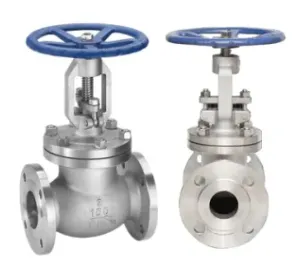
The materials used in the construction of the gate valve are also crucial. Common materials include cast iron, carbon steel, stainless steel, and alloy steel. Each material has different mechanical properties, such as strength and corrosion resistance. For high - pressure applications, materials with high tensile strength, like carbon steel or alloy steel, are often preferred. For instance, our F5 Gate Valve is made of high - quality carbon steel, which gives it a relatively high pressure rating and excellent durability.
Testing
Before a gate valve is assigned a pressure rating, it undergoes rigorous testing. This usually includes hydrostatic testing, where the valve is filled with water and pressurized to a specified level for a certain period. The valve is then inspected for any signs of leakage or deformation. Only valves that pass these tests are given an official pressure rating.
Why Does the Pressure Rating Matter?
The pressure rating of a gate valve is of utmost importance for several reasons:
Safety
Safety is the primary concern. Using a gate valve with an inappropriate pressure rating can lead to catastrophic failures. For example, in a high - pressure pipeline, if a valve with a low pressure rating is installed, it may burst under the pressure, causing damage to the equipment, and endangering the lives of workers.
Performance
A valve operating within its pressure rating will perform optimally. It will provide a tight seal, prevent leakage, and ensure smooth flow control. On the other hand, if the pressure exceeds the rating, the valve may not close properly, leading to leakage and reduced efficiency.
Compliance
In many industries, there are strict regulations regarding the use of valves with appropriate pressure ratings. For example, in the oil and gas industry, valves must meet certain standards to ensure the safety and environmental protection of the operations.
Different Types of Pressure Ratings
There are several types of pressure ratings associated with gate valves:
Working Pressure Rating
This is the maximum pressure at which the valve can operate continuously under normal conditions. It takes into account factors such as temperature, fluid type, and the expected service life of the valve.
Test Pressure Rating
The test pressure rating is the pressure at which the valve is tested during the manufacturing process. It is usually higher than the working pressure rating to ensure that the valve can withstand short - term pressure spikes without failure.
Burst Pressure Rating
The burst pressure rating is the pressure at which the valve will rupture. This is a safety - critical parameter, and valves are designed to have a significant margin between the working pressure rating and the burst pressure rating.
Selecting the Right Pressure Rating for Your Application
When selecting a gate valve for your application, it is essential to consider the following factors:
System Pressure
Determine the maximum pressure that the valve will be exposed to in the system. This includes normal operating pressures as well as any potential pressure surges.
Fluid Type
The type of fluid flowing through the valve can also affect the pressure rating requirements. For example, corrosive fluids may require a valve with a higher pressure rating to account for potential material degradation over time.
Temperature
High temperatures can reduce the strength of the valve materials. Therefore, if the application involves high - temperature fluids, you may need to select a valve with a higher pressure rating to compensate for the temperature effect.
Our Gate Valve Offerings
As a gate valve supplier, we offer a wide range of gate valves with different pressure ratings to meet the diverse needs of our customers. Our Steel Round Gate is a popular choice for applications that require a reliable and high - pressure - resistant valve. It is made of high - quality steel and has been tested to ensure its performance under various pressure conditions.
Another option is our F4 Gate Valve F4. This valve is designed with advanced technology and materials, providing excellent pressure - bearing capacity and long - term reliability.
Conclusion
In conclusion, the pressure rating of a gate valve is a critical specification that determines its suitability for a particular application. It is determined by factors such as design, material selection, and testing. Selecting the right pressure rating is essential for ensuring safety, performance, and compliance. As a gate valve supplier, we are committed to providing high - quality valves with accurate pressure ratings to meet the needs of our customers.
If you are in the market for gate valves and need assistance in selecting the right pressure rating for your application, please feel free to contact us. Our team of experts is ready to help you make the best choice for your project.
References
- Valve Handbook, Third Edition by J. S. Ludwig
- ASME B16.34 - Valves - Flanged, Threaded, and Welding End