Packing plays a crucial role in a parallel gate valve, and as a supplier of parallel gate valves, I've seen firsthand how important it is. In this blog post, I'll dive into what packing is, its functions, and why it's a key component in these valves.
What is Packing in a Parallel Gate Valve?
Let's start with the basics. Packing, in the context of a parallel gate valve, is a material that's used to seal the gap between the valve stem and the valve bonnet. It's usually made up of fibrous materials, like graphite or PTFE (polytetrafluoroethylene), or a combination of different materials. These materials are formed into rings or strands and then placed around the valve stem.
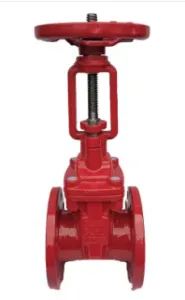
The packing is installed in a packing gland, which is a part of the valve bonnet. The gland is tightened to compress the packing against the stem, creating a seal. This seal is essential because it prevents fluid or gas from leaking out of the valve along the stem.
Functions of Packing in a Parallel Gate Valve
Sealing Function
The most obvious function of packing is to create a seal. In a parallel gate valve, the valve stem moves up and down to open and close the valve. As it moves, there's a risk of the fluid or gas inside the valve leaking out through the space between the stem and the bonnet. The packing fills this space and stops the leak. It has to be flexible enough to conform to the shape of the stem and withstand the movement of the stem without losing its sealing ability.
For example, in a pipeline carrying high - pressure steam, a good seal is crucial. If the packing fails, the steam can leak out, which not only wastes energy but can also be dangerous. The high - temperature steam can cause burns and damage to the surrounding equipment.
Preventing Contamination
Another important function of packing is to prevent the entry of external contaminants into the valve. In industrial environments, there are often dust, dirt, and other particles floating around. If these contaminants get into the valve through the gap around the stem, they can cause wear and tear on the internal components of the valve, such as the seat and the gate. This can lead to valve malfunction and reduced service life.
The packing acts as a barrier, keeping these contaminants out and ensuring that the valve operates smoothly. For instance, in a chemical processing plant, where the valves are exposed to various corrosive chemicals and dust, the packing helps to protect the valve from the harmful effects of these external substances.
Lubrication
Some types of packing also provide lubrication for the valve stem. As the stem moves up and down during the opening and closing of the valve, there's friction between the stem and the packing. If the friction is too high, it can make it difficult to operate the valve and can also cause excessive wear on the stem and the packing itself.

Packing materials like graphite have self - lubricating properties. This reduces the friction between the stem and the packing, making the valve operation smoother and more efficient. It also extends the life of both the stem and the packing.
Types of Packing and Their Suitability
Graphite Packing
Graphite packing is one of the most commonly used types of packing in parallel gate valves. It has excellent heat resistance, which makes it suitable for high - temperature applications. For example, in power plants where steam is at very high temperatures, graphite packing can maintain its sealing properties. It also has good chemical resistance, so it can be used in applications where the fluid contains corrosive substances.
However, graphite packing can be a bit brittle, and it may require proper installation to prevent it from breaking. It's also important to note that in some applications where there's a risk of graphite particles contaminating the fluid, alternative packing materials may be needed.
PTFE Packing
PTFE packing is known for its low friction coefficient, which makes the valve operation very smooth. It's also highly resistant to chemicals, so it's a great choice for applications where the valve is in contact with aggressive chemicals. For example, in the pharmaceutical and food industries, where the fluid needs to be kept pure, PTFE packing is often used because it doesn't react with the substances being processed.
On the downside, PTFE has a lower temperature resistance compared to graphite. So, it's not suitable for extremely high - temperature applications.
Importance of Proper Packing Installation and Maintenance
Proper installation of packing is crucial for its performance. If the packing is not installed correctly, it may not create an effective seal, or it may cause excessive friction on the stem. When installing packing, it's important to cut the packing rings to the correct size and install them in the correct orientation. The packing gland should be tightened evenly to ensure uniform compression of the packing.
Maintenance of the packing is also important. Over time, the packing can wear out due to the movement of the stem and the exposure to the fluid or gas. Regular inspection of the packing can help detect signs of wear, such as leakage or increased friction during valve operation. When the packing shows signs of wear, it should be replaced promptly to prevent further problems.
Related Products
We also offer other types of gate valves, such as the Bellows Gate Valve, which has unique features in terms of sealing and durability. The Non Rising Stem Groove Resilient Gate Valve is another option, suitable for applications where space is limited. And if you're looking for a more traditional option, the Cast Iron Brass Sealed Rising Stem Gate Valves are a reliable choice.
Conclusion
In conclusion, packing is an essential component in a parallel gate valve. It provides sealing, prevents contamination, and in some cases, lubrication. The choice of packing material depends on the specific application requirements, such as temperature, chemical compatibility, and friction requirements. Proper installation and maintenance of the packing are necessary to ensure the reliable operation of the valve.
If you're in the market for parallel gate valves or any of the related products mentioned above, and you have questions about packing or the valves themselves, don't hesitate to reach out. We're here to help you with your valve needs and can provide you with the best solutions for your applications.
References
- Valve Handbook: A Guide to Selection, Specification, Operation, and Maintenance. By Valve Magazine.
- Industrial Valve Technology: Principles, Applications, and Maintenance. By John Doe.